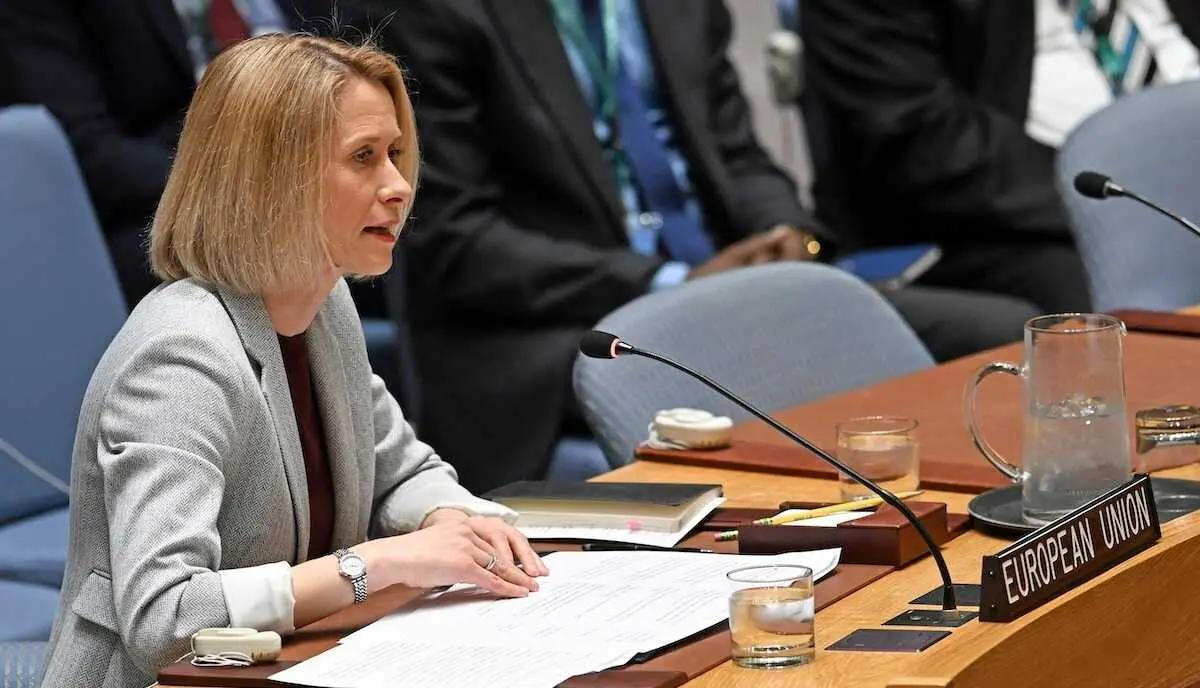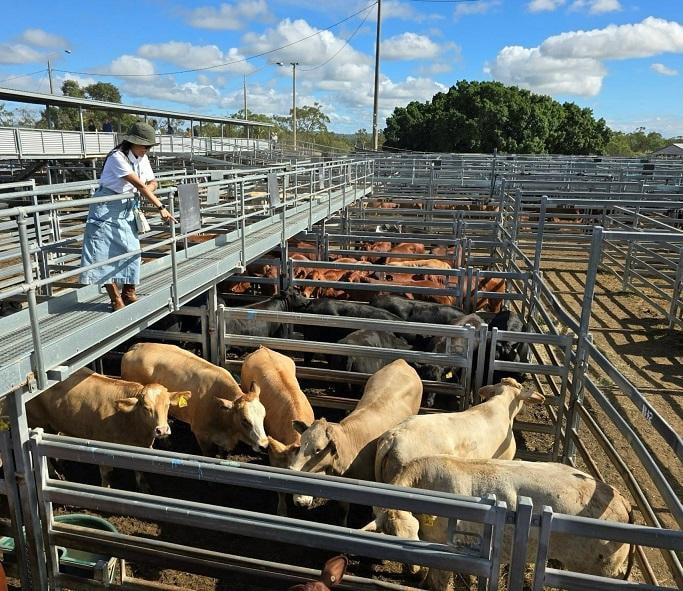
Rockhampton: The EU Australia free trade agreement was sealed in March 2026 as a landmark of Indo-Pacific economic diplomacy, yet in the cattle country of central Queensland it is being recast as a betrayal, and that local anger now threatens the timetable set by leaders on the other side of the world. On 21 September, meeting on the sidelines of the United Nations General Assembly in New York, European Commission President Ursula von der Leyen, European Council President António Costa and Prime Minister Anthony Albanese said they intend to sign the agreement “as soon as possible”.
The phrase was carefully chosen. Negotiations concluded on 24 March 2026, three years after a collapse in 2023 that many in Brussels and Canberra thought would be final. The finished text removes more than 99 per cent of tariffs on EU goods exports to Australia, lowers barriers on critical raw materials that Europe urgently needs, and gives about 98 per cent of Australia’s current exports by value duty-free entry to the European market. But signature requires both sides to complete their internal procedures, and in Australia that means scrutiny by the Joint Standing Committee on Treaties and implementing legislation through a parliament where the government cannot take the Senate for granted.
This is where diplomacy meets domestic politics. On 26 August the opposition Liberal-National Coalition denounced the agreement as “unbalanced” and signalled it would try to derail it. Nationals leader Matt Canavan went further, calling it the worst deal of all time because it does not satisfy the beef industry. The complaint centres on market access. The EU has offered two tariff-rate quotas for beef totalling 30,600 tonnes, more than half duty-free and conditional on cattle being grass-fed, with the remainder entering at a reduced duty of 7.5 per cent. For an industry that exports well over a million tonnes a year, that looks symbolic, even though it represents a hard-won concession from European governments facing their own farm protests.
The New York meeting was therefore as much about signalling as substance. By pairing the trade commitment with pledges on security and defence, cyber threats, critical raw materials and artificial intelligence, the three leaders framed the agreement as part of a strategic relationship rather than a simple exchange of quotas. They also stressed convergence on China, Ukraine, the Middle East and the Pacific, and welcomed Australia’s association to Horizon Europe from January 2027. The message to Canberra’s sceptics was that rejecting the trade pact would weaken a partnership that reaches far beyond agriculture.
For the EU, the stakes are about credibility in the Indo-Pacific. The Union has concluded or advanced deals with India, Indonesia and, most recently, the Philippines, and its trade diplomacy increasingly depends on showing that concluded agreements actually enter into force. A second failure of the EU Australia free trade agreement, after the 2023 breakdown, would feed doubts in Asian capitals about whether European offers survive contact with domestic politics on either side.
The Albanese government retains room to manoeuvre. It can argue that the critical minerals provisions serve Australia’s ambition to move from digging ore to processing it, and that wine, grain and horticulture exporters gain real openings. It can also point out that the EU side must still clear the Council and the European Parliament, where farm lobbies remain influential, so reopening the text would more likely produce a worse outcome than a better one.
The EU Australia free trade agreement is thus caught between two agricultural politics, each convinced the other side won. Officials expect signature in late 2026 or early 2027. Whether that holds depends less on New York communiqués than on whether Labor can persuade enough senators that a modest beef quota is a price worth paying for a closer strategic bond with Europe.