Cork: Europe’s dairy exporters spent a nervous winter watching Beijing set the price of doing business in China. Chinese customs began collecting anti-subsidy duties of up to 42.7 percent on European milk powder, cream and cheese last December, and the shock travelled from Irish creameries to Dutch cooperatives. In February, China softened the blow and cut the proposed final rates to a range of 7.4 to 11.7 percent.
The retreat eases the pain, yet it settles nothing. Beijing opened the dairy probe in August 2024, days after Brussels voted to tax Chinese electric vehicles. Chinese investigators claim the Common Agricultural Policy hands European farmers unfair subsidies and injures local producers. European officials reject that logic outright and read the whole case as retaliation dressed up as trade defence.
These dairy tariffs never marched alone. China aimed the same weapon at European pork and brandy in the months that followed. It trimmed pork duties to a top rate near 19.8 percent, but it kept brandy levies as high as 34.9 percent, sparing the largest cognac houses that agreed to sell above a set minimum price. The choreography exposes Beijing’s method plainly.
China picks products that carry loud political weight. French distillers, Spanish pig farmers and Irish dairy cooperatives all command attention in their capitals, so each new duty pushes a different government to lobby for relief. That approach tests European unity far more effectively than a single blunt tariff ever could.
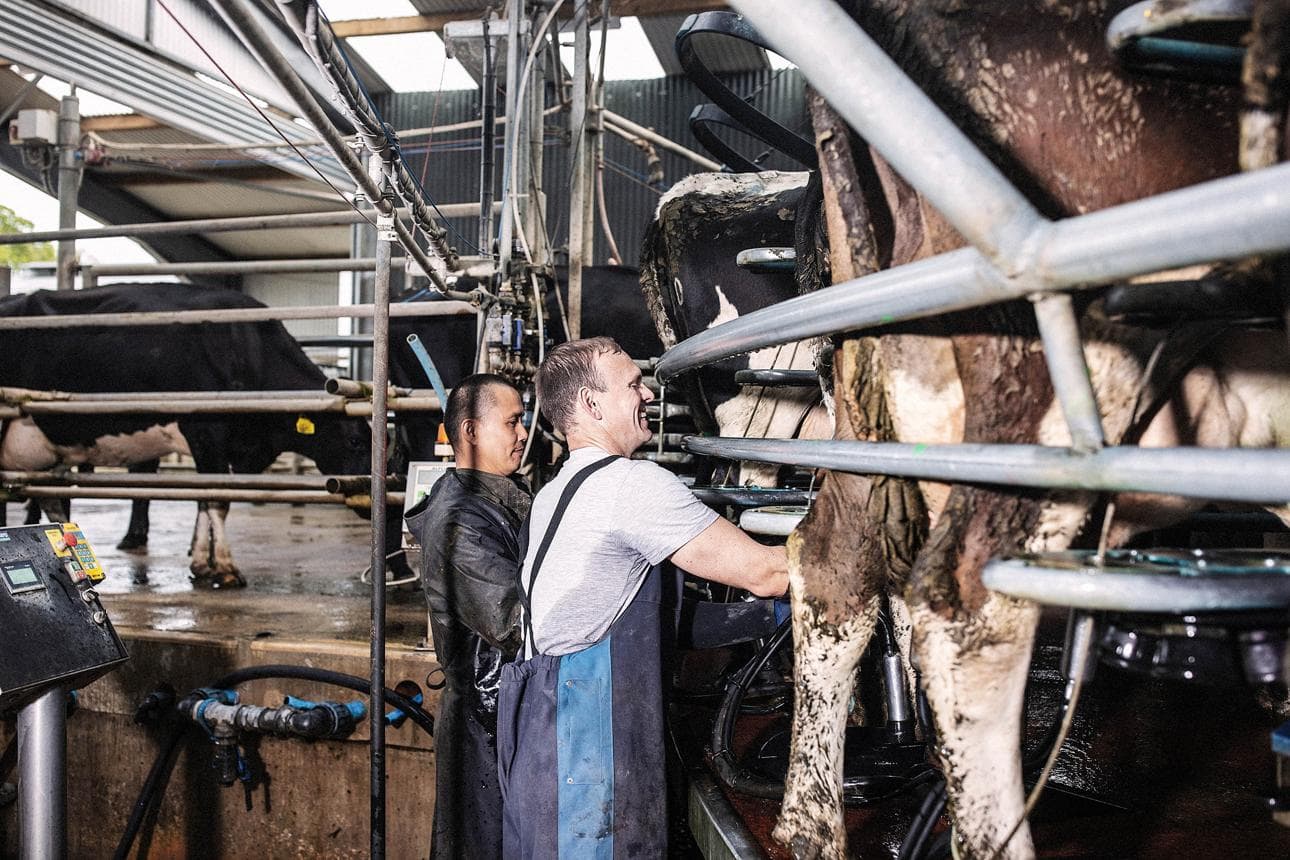
Exporters feel the strain unevenly. Large processors reroute cheddar and butterfat toward Southeast Asia, the Gulf and North Africa, absorbing thinner margins along the way. Smaller cooperatives lack that reach and simply lose sales. The layered probes therefore hit the weakest players hardest, even as the headline rates fall.
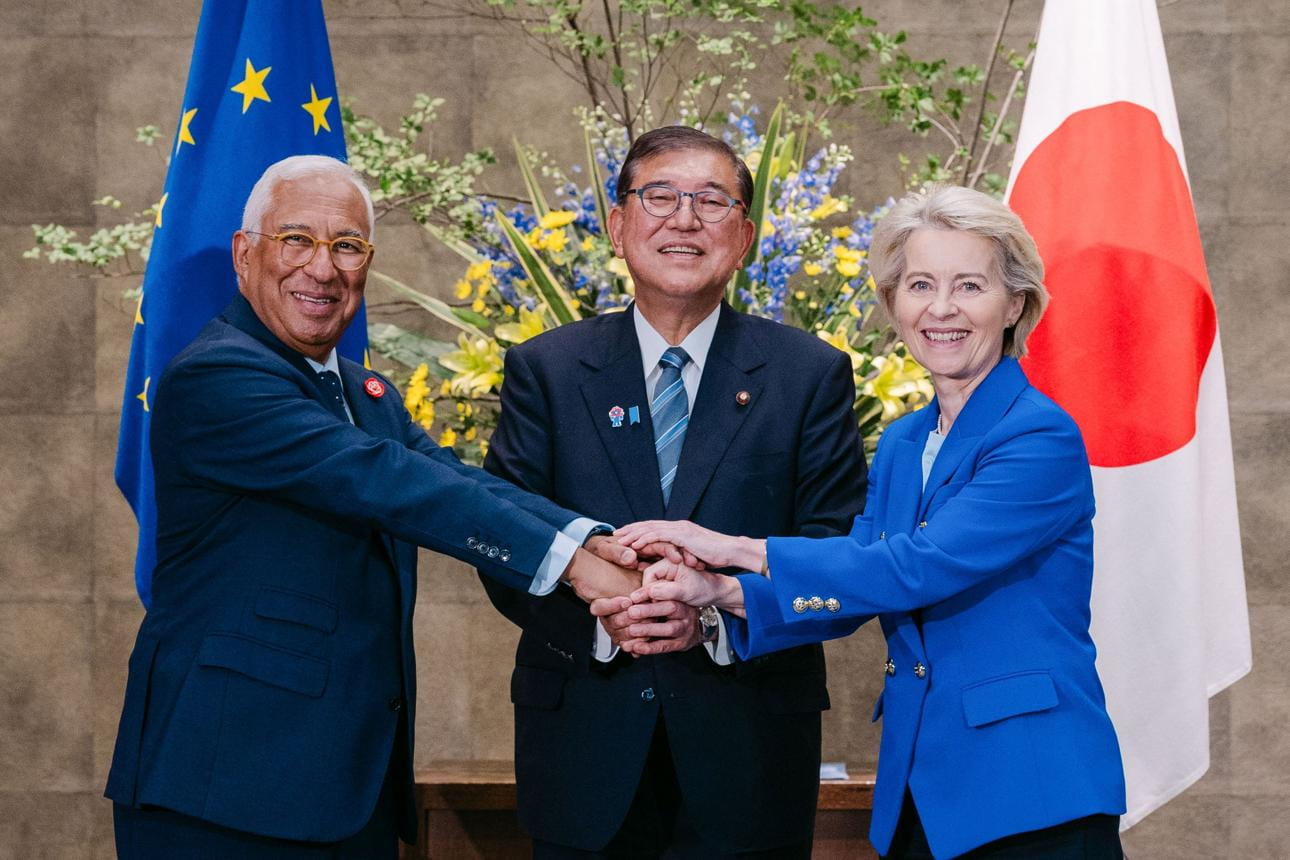
Brussels now weighs how far to trade. The Commission has floated minimum import prices to defuse the electric-vehicle fight that started this spiral, and any deal there could unlock relief on dairy, pork and brandy at once. Critics warn that a grand bargain would reward coercion and invite the next round of pressure.
Supporters of a settlement counter that Europe cannot fight on every front while Washington raises its own barriers. They argue that a stable, rules-based understanding with China protects farmers better than a war of attrition. Either way, Europe’s dairy trade has become a bargaining chip in a much larger contest, and the farmers of Cork and Cavan will keep watching Beijing set their terms.