Seoul: North Korea IT workers have become a shared target for Western sanctions, and the European Union now stands beside the United States and Australia in the effort. On 28 October 2026 the US Treasury designated 10 individuals and one entity over schemes that place North Korean technology staff in jobs abroad, and the action formed part of a wider joint push by the three partners.
The joint effort covers more than remote work fraud. According to the reporting, the partners target North Korea’s overseas workers, its cyber activity and its cooperation with Russia. The public summary does not itemise what the EU itself listed in this round, so the exact European measures remain to be confirmed from Council texts.
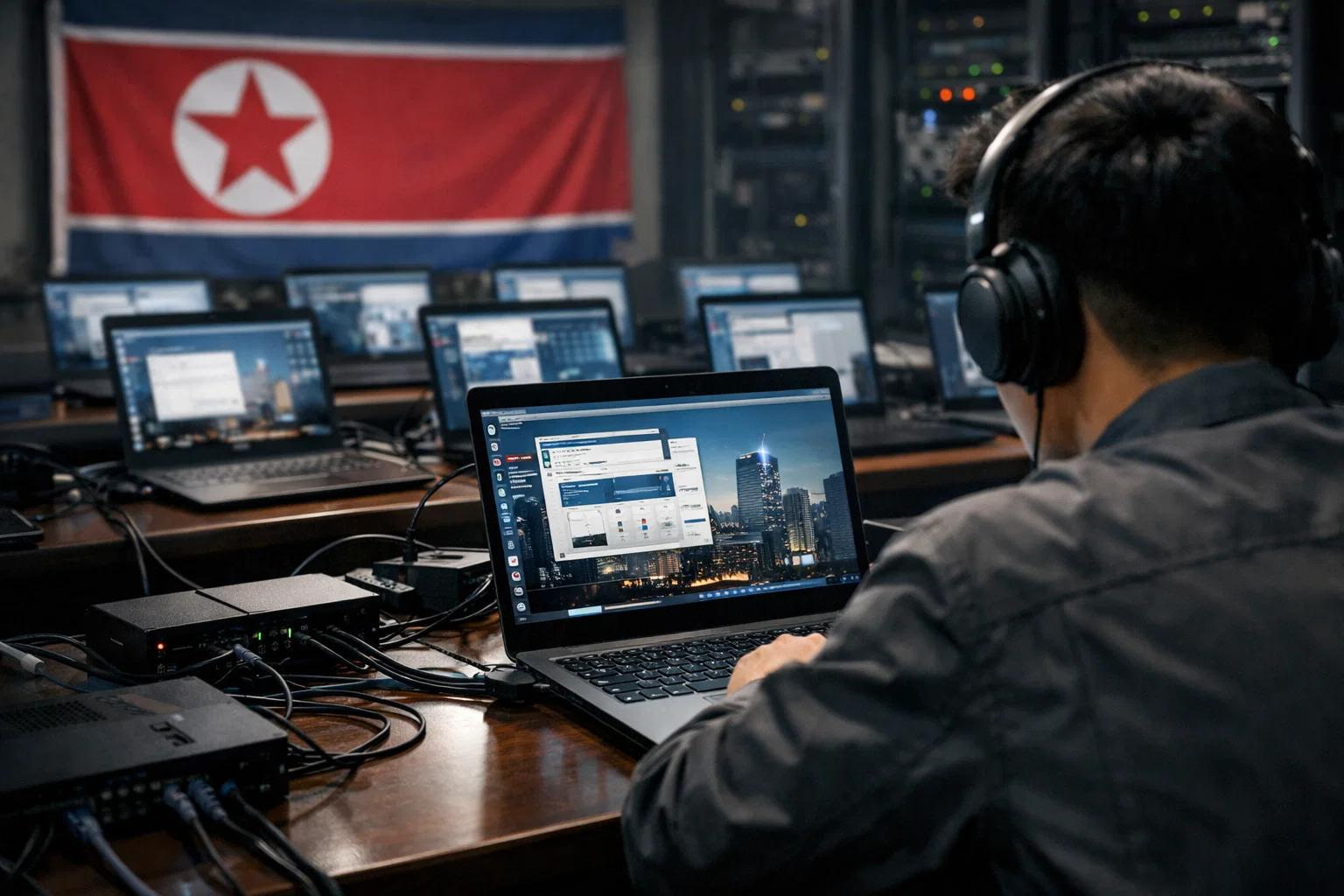
The scheme itself follows a simple pattern. North Korea IT workers present themselves as freelancers or employees from other countries, win contracts with technology firms and send earnings back to a government that funds weapons programmes. Some North Korea IT workers also gain access to company systems, which turns a hiring decision into a security risk. For European companies that outsource software work, this risk is no longer theoretical.
The EU brings particular tools to the table against North Korea IT workers. It can list individuals and entities under its North Korea sanctions, it can require companies to run stronger due diligence, and it can coordinate with national authorities who investigate fraud and cybercrime. The joint format also helps, because identical or similar designations across jurisdictions leave fewer places for networks to hide payments.
The link to Russia deserves attention. The partners describe cooperation between Pyongyang and Moscow as part of the same sanctions picture, which connects the Korean peninsula to the war in Ukraine. That framing explains why European governments, who focus on Russia, now spend diplomatic effort on a regime in East Asia. Revenue that flows to North Korea through technology work can support the same military ecosystem that European security policy tries to contain.
Challenges remain. Sanctions lists work only when companies screen contractors, banks watch payments and platforms verify identities. Many small firms lack the resources for that, and they often learn about the problem after a breach. Governments can help by publishing clear guidance, sharing indicators with industry and prosecuting facilitators inside their own borders.
The coordinated action in late October shows a direction rather than a finished policy. North Korea IT workers will keep adapting, and Europe will need to match the pace with regular listings, practical advice for employers and steady cooperation with Seoul, Canberra and Washington. Defence and security policy in 2026 increasingly depends on that kind of financial and cyber detail.