
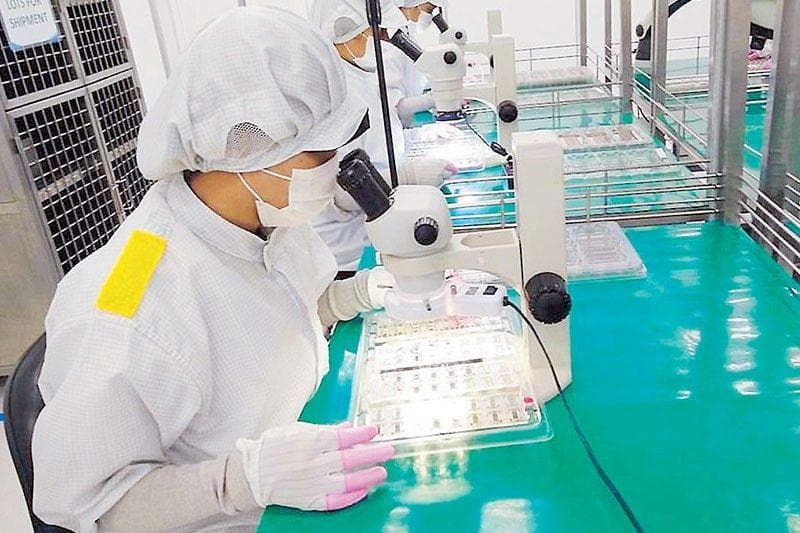
Cavite: The electronics plants clustered south of Manila ship circuit boards, wiring harnesses and semiconductor packages to European assembly lines under tariff lines that almost nobody in the province thinks about. Their managers have started thinking about them. The Philippines FTA has reached the point where the remaining arguments are narrow, technical and politically expensive.
Dora Correia, who leads the European side, told members of the European Parliament in early September that the two delegations could close a deal within weeks, and she planned to return to Manila in the third week of the month. Negotiators have provisionally closed the chapters on digital trade and on trade and sustainable development, and they have agreed the intellectual property rules. Goods, services and government procurement stay open.
Procurement carries the heaviest weight, for a reason that deserves more attention than it has received. The Philippines has never written procurement commitments into any trade agreement it has signed. Manila is not haggling over the size of a concession it granted before. It is deciding whether to grant one at all.
That distinction explains the pace. Opening public tenders to foreign bidders touches domestic construction firms, provincial patronage and a procurement law that Philippine legislators rewrote only recently. European negotiators want coverage at national level and below it. Every layer they add multiplies the number of Philippine agencies that must change how they buy, and each of those agencies answers to a constituency.
Agriculture supplies the second obstacle. The seventh round in Brussels at the start of July ended without agreement on farm provisions, and both teams went home defending domestic production. European producers want access for dairy, pork and processed food. Philippine negotiators answer to rice, sugar and poultry sectors that treat tariff cuts as an existential question rather than a commercial one. Neither side can concede much here without paying for it at home.
A calendar is doing the work that substance has not. Manila hosts the ASEAN summit in November and wants to announce a concluded negotiation before its guests arrive. Brussels has its own reason to move, because the Philippines file sits inside a wider effort to assemble bilateral deals across Southeast Asia alongside Singapore, Vietnam, Indonesia, Malaysia and Thailand.
Deadlines set by summits carry a known risk. Negotiators who need an announcement tend to produce texts that defer the hard chapters into review clauses and joint committees. A procurement chapter drafted in a fortnight to meet a November photograph will read like one. Manila has a real interest in getting this chapter right the first time, because whatever it signs now becomes the template that every future partner will cite back to it.
A second measure deserves attention once the text lands. The Philippines currently exports to Europe under GSP+, which grants tariff preferences in return for ratifying and implementing international conventions. An agreement replaces conditional access with contractual access. That serves exporters better and weakens a lever European institutions have used on labour and human rights, so the sustainability chapter will have to carry a load that GSP+ used to carry alone.
For Cavite, none of this resolves quickly. Tariff elimination arrives on staged schedules, ratification consumes European Parliament time and national consent wherever investment protection appears, and the earliest date any invoice changes sits well beyond next year. The province’s plants will learn whether the deal matters from their customs brokers long before they read a word of it.
