September 16, 2026
LATEST
Cage-Free Promises Land Before the Transport File Is FinishedTwo New Calls Will Test How Flexible Horizon Europe Really IsEurope’s Innovation Act Counts 10 Billion It Has Not Found YetProcurement Is the Chapter That Could Stall the Thailand DealMobility Week Returns With a Test of Intergenerational FairnessMinisters Debate the Chips Act Next Week With No Money AttachedTaiwan Wants Tax Treaties That Brussels Has No Power to SignNorth Korea Now Earns From Europe Without Shipping AnythingPalm Oil Is the Last Hard Question Before the Indonesia SigningCan One Year Deliver Both a Trade Deal and a Sea CodeVietnam Reached Europe’s Top Partnership Tier With Little DetailLeaked Draft Puts Europe’s Social Media Age Limit at FifteenFP10 Clears Committee and the Budget Gap Stays Wide OpenA Ceuta Debate Whose Title Has Already Reached a VerdictEurope’s New Merger Guidelines Face a Council Test Next WeekEurope’s Culture Capitals Face Their Biggest Rewrite Since 1985Only Italy Has a Bill as Platform Work Deadline NearsCustoms Fraud Charges Land in Germany Over Wrecked CarsCar Tariffs Show Why the India Deal Still Needs Two VotesA Committee Cleared the Swiss Package in Under Ten MinutesCage-Free Promises Land Before the Transport File Is FinishedTwo New Calls Will Test How Flexible Horizon Europe Really IsEurope’s Innovation Act Counts 10 Billion It Has Not Found YetProcurement Is the Chapter That Could Stall the Thailand DealMobility Week Returns With a Test of Intergenerational FairnessMinisters Debate the Chips Act Next Week With No Money AttachedTaiwan Wants Tax Treaties That Brussels Has No Power to SignNorth Korea Now Earns From Europe Without Shipping AnythingPalm Oil Is the Last Hard Question Before the Indonesia SigningCan One Year Deliver Both a Trade Deal and a Sea CodeVietnam Reached Europe’s Top Partnership Tier With Little DetailLeaked Draft Puts Europe’s Social Media Age Limit at FifteenFP10 Clears Committee and the Budget Gap Stays Wide OpenA Ceuta Debate Whose Title Has Already Reached a VerdictEurope’s New Merger Guidelines Face a Council Test Next WeekEurope’s Culture Capitals Face Their Biggest Rewrite Since 1985Only Italy Has a Bill as Platform Work Deadline NearsCustoms Fraud Charges Land in Germany Over Wrecked CarsCar Tariffs Show Why the India Deal Still Needs Two VotesA Committee Cleared the Swiss Package in Under Ten Minutes
September 16, 2026
LATEST
Cage-Free Promises Land Before the Transport File Is FinishedTwo New Calls Will Test How Flexible Horizon Europe Really IsEurope’s Innovation Act Counts 10 Billion It Has Not Found YetProcurement Is the Chapter That Could Stall the Thailand DealMobility Week Returns With a Test of Intergenerational FairnessMinisters Debate the Chips Act Next Week With No Money AttachedTaiwan Wants Tax Treaties That Brussels Has No Power to SignNorth Korea Now Earns From Europe Without Shipping AnythingPalm Oil Is the Last Hard Question Before the Indonesia SigningCan One Year Deliver Both a Trade Deal and a Sea CodeVietnam Reached Europe’s Top Partnership Tier With Little DetailLeaked Draft Puts Europe’s Social Media Age Limit at FifteenFP10 Clears Committee and the Budget Gap Stays Wide OpenA Ceuta Debate Whose Title Has Already Reached a VerdictEurope’s New Merger Guidelines Face a Council Test Next WeekEurope’s Culture Capitals Face Their Biggest Rewrite Since 1985Only Italy Has a Bill as Platform Work Deadline NearsCustoms Fraud Charges Land in Germany Over Wrecked CarsCar Tariffs Show Why the India Deal Still Needs Two VotesA Committee Cleared the Swiss Package in Under Ten MinutesCage-Free Promises Land Before the Transport File Is FinishedTwo New Calls Will Test How Flexible Horizon Europe Really IsEurope’s Innovation Act Counts 10 Billion It Has Not Found YetProcurement Is the Chapter That Could Stall the Thailand DealMobility Week Returns With a Test of Intergenerational FairnessMinisters Debate the Chips Act Next Week With No Money AttachedTaiwan Wants Tax Treaties That Brussels Has No Power to SignNorth Korea Now Earns From Europe Without Shipping AnythingPalm Oil Is the Last Hard Question Before the Indonesia SigningCan One Year Deliver Both a Trade Deal and a Sea CodeVietnam Reached Europe’s Top Partnership Tier With Little DetailLeaked Draft Puts Europe’s Social Media Age Limit at FifteenFP10 Clears Committee and the Budget Gap Stays Wide OpenA Ceuta Debate Whose Title Has Already Reached a VerdictEurope’s New Merger Guidelines Face a Council Test Next WeekEurope’s Culture Capitals Face Their Biggest Rewrite Since 1985Only Italy Has a Bill as Platform Work Deadline NearsCustoms Fraud Charges Land in Germany Over Wrecked CarsCar Tariffs Show Why the India Deal Still Needs Two VotesA Committee Cleared the Swiss Package in Under Ten Minutes

Undersea Cables Are the Quiet Half of the EU Japan Digital Deal

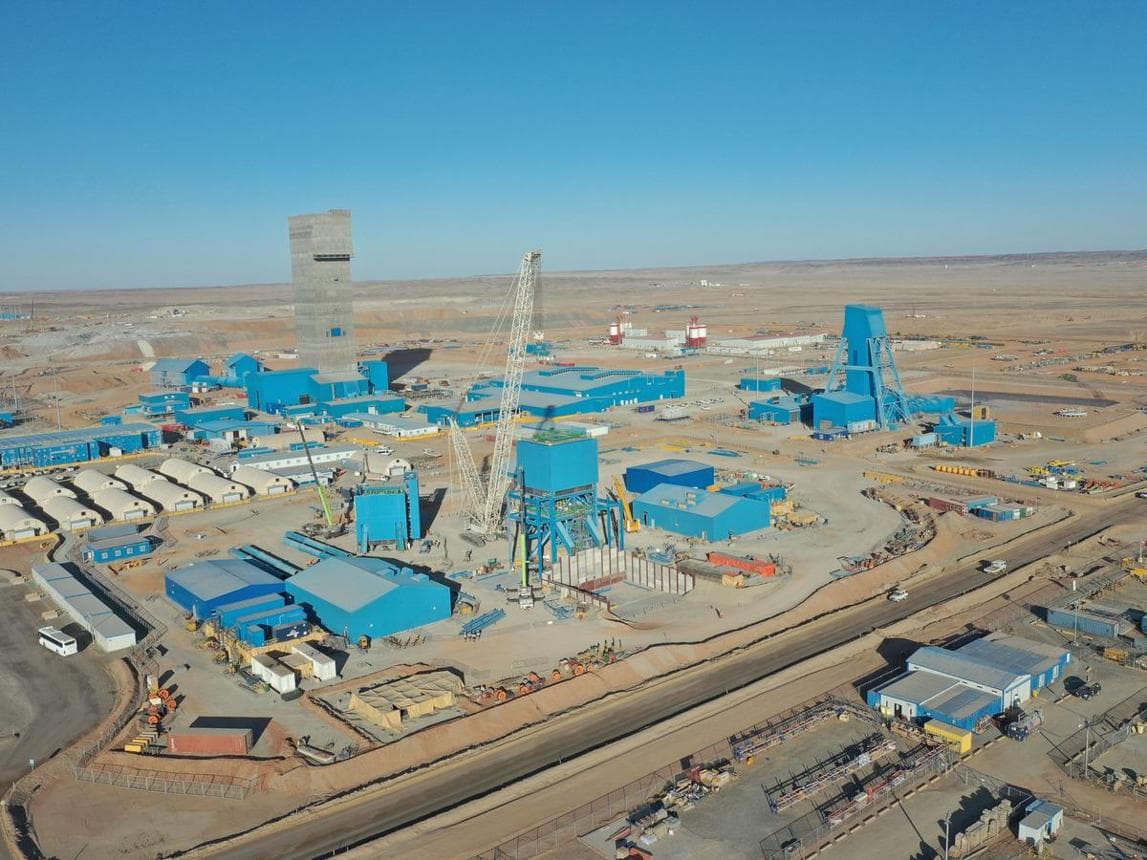
Chikura: The cable landing station on Japan’s Boso Peninsula terminates several of the trunk lines that carry traffic between East Asia and the wider world. Facilities like it have moved from engineering footnote to security file in under three years.

The European Union and Japan agreed in May 2026 to deepen work on the protection of submarine cables, a decision taken at the fourth meeting of their Digital Partnership Council in Brussels. The headline items from that meeting concerned semiconductors, artificial intelligence and quantum computing. The cable workstream attracted less attention and may prove more consequential.

Roughly ninety-nine percent of intercontinental data moves through undersea fibre. Satellites carry the remainder. Both Europe and Japan discovered the fragility of that arrangement the hard way. Baltic Sea operators logged repeated damage to cables and pipelines through 2024 and 2025, much of it involving anchors dragged by vessels whose ownership resists quick identification. Taiwan reported comparable incidents. Attribution remains slow and prosecution rarer still.

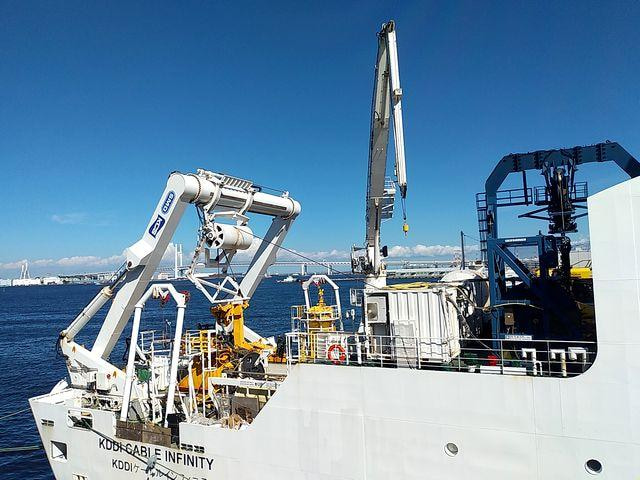
Tokyo brings genuine assets to the table. Japanese firms build, lay and repair cable, and Japan maintains one of the small global fleets of specialised repair ships. Europe depends heavily on that same thin market. Fewer than sixty repair vessels serve the entire planet, and most were launched decades ago. A cooperation agreement that improves repair scheduling, spare inventory and crew availability addresses a bottleneck that no regulation can legislate away.

The two sides also opened a joint working group on global connectivity, and its agenda includes Arctic routing. A cable running north of Russia or through Canadian waters would shorten the Europe to Japan latency path considerably and would avoid the chokepoints of the Red Sea and the Malacca Strait, where concentration risk has grown severe. Several commercial consortia have surveyed such routes. None has closed financing. Ice conditions, permitting across multiple jurisdictions and repair access in winter all raise the cost above what carriers will currently underwrite.

Public money may change that arithmetic, and both administrations have hinted it might. The Commission’s digital strategy directorate published the council outcomes alongside commitments on 6G and chip research. Officials have not attached a figure to the connectivity strand, and that silence is telling. Cable projects cost hundreds of millions of euros and take years. A working group cannot substitute for a capital commitment.

The semiconductor track shows the same pattern of alignment without instruments. Brussels and Tokyo confirmed a shared intention to address non-market policies and supply chain dependencies in critical sectors. Both hold real leverage here. Japan supplies photoresists, silicon wafers and deposition equipment; the Netherlands supplies lithography. Yet neither side has published a coordinated export control list, and Japanese firms remain exposed to Chinese retaliation in ways European firms are not.

What the partnership has built, credibly, is a habit of talking at official level about infrastructure that governments once left entirely to carriers. That habit has value. Cable owners are private, routes are commercial decisions, and states historically learned about new landings from press releases. Embedding connectivity into a formal bilateral council changes who is in the room when the next cable is planned, and who gets a phone call when the next one is cut.

The measure of success will be prosaic. A shared repair ship schedule, a common damage reporting format, a financed Arctic survey. Ministers will not announce any of those. They will appear, if they appear, in the next council’s annex.