Brussels: The Western Balkans summit will take place in Brussels on 25 November, the Council announced on 23 October, and it arrives while the region faces elections, funding risks and a rewrite of the enlargement rulebook. Council President António Costa said the region’s future lies in the European Union and called accession a shared priority. The leaders will reaffirm the membership perspective, press partners to speed up reforms, and review gradual integration under the Growth Plan.
The timing is awkward in the best sense. Serbia holds parliamentary elections on 25 October, a month before the Western Balkans summit, and the contest will shape how Belgrade arrives at the table. The civil society group CRTA recorded 49 incidents in the first three weeks of the campaign and warned of a climate of fear, while national television gave the authorities two thirds of political airtime. Serbia is also one of only three enlargement countries that did not invite a European Parliament observation mission before the 8 October deadline.
Bosnia and Herzegovina presents a different problem. After the general elections, Milorad Dodik, barred from public office, emerged as the biggest winner, and his allies took the Republika Srpska presidency and the Serb seat in the state presidency. Reporting by European Western Balkans says the country risks losing 379.9 million euros from the Growth Plan. That figure turns the Western Balkans summit into a conditionality test, because the Growth Plan ties payments to reform milestones.
Kosovo adds a third strand. Parliament elected Justina Shiroka-Pula as president, which ended a long deadlock after two snap elections, yet protests in Pristina over amendments to the Law on Specialist Chambers show that institutional peace remains fragile. Brussels will want clear signals that Pristina respects its international obligations before leaders discuss deeper integration.
Meanwhile the Union is rewriting its own rules. Enlargement Commissioner Marta Kos has proposed expanded qualified majority voting, more enhanced cooperation, and tools to withhold funds or restrict voting rights from new members that breach rule-of-law commitments, all without changing the treaties. European Council conclusions of 16 October describe enlargement as a geostrategic investment and stress that each candidate advances on its own merits. They also welcome work on an accession treaty with Montenegro, which gives the region a visible frontrunner.
That mix creates a risk of two speeds around the Western Balkans summit. Montenegro and Albania are named as frontrunners for a Commission roadmap with indicative timelines, while Serbia, Bosnia and Kosovo struggle with politics at home. A Western Balkans summit that celebrates the leaders and ignores the laggards would reward neither group, because the frontrunners need credibility and the others need incentives.
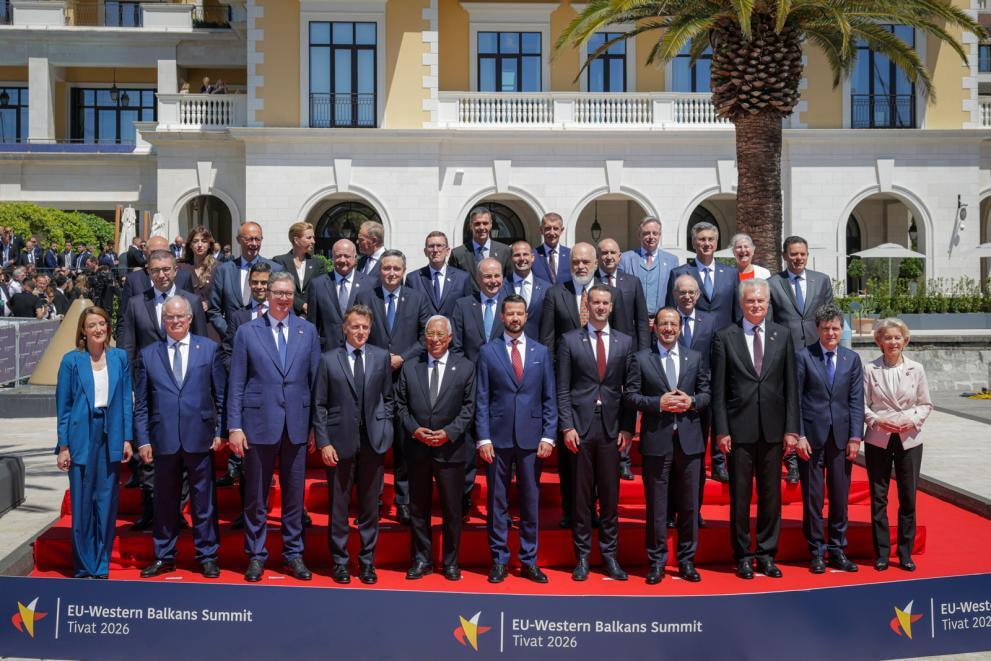
Costa’s own record offers a guide. He toured the region from 1 to 4 June and chaired the previous summit in Tivat on 5 June. The 25 November meeting should therefore deliver more than a repeat declaration. It should pair a firm message on rule of law with concrete steps on funding, security and resilience. If it does, the Western Balkans summit can show that the merit-based promise still carries weight in 2026, and that the Union can reform itself while keeping its word to candidates.