September 16, 2026
LATEST
Europe’s Innovation Act Counts 10 Billion It Has Not Found YetProcurement Is the Chapter That Could Stall the Thailand DealMinisters Debate the Chips Act Next Week With No Money AttachedTaiwan Wants Tax Treaties That Brussels Has No Power to SignNorth Korea Now Earns From Europe Without Shipping AnythingPalm Oil Is the Last Hard Question Before the Indonesia SigningCan One Year Deliver Both a Trade Deal and a Sea CodeVietnam Reached Europe’s Top Partnership Tier With Little DetailA Ceuta Debate Whose Title Has Already Reached a VerdictFP10 Clears Committee and the Budget Gap Stays Wide OpenEurope’s New Merger Guidelines Face a Council Test Next WeekEurope’s Culture Capitals Face Their Biggest Rewrite Since 1985Only Italy Has a Bill as Platform Work Deadline NearsCustoms Fraud Charges Land in Germany Over Wrecked CarsCar Tariffs Show Why the India Deal Still Needs Two VotesA Committee Cleared the Swiss Package in Under Ten MinutesSpace Debris Is Growing Faster Than Europe Can Clear ItCan Cohesion Policy Pay for Results and Still Close GapsFour Capitals Met the Pay Transparency Deadline and 23 Did NotTrading Venues Are Waiting on a Verdict Over ESMA SupervisionEurope’s Innovation Act Counts 10 Billion It Has Not Found YetProcurement Is the Chapter That Could Stall the Thailand DealMinisters Debate the Chips Act Next Week With No Money AttachedTaiwan Wants Tax Treaties That Brussels Has No Power to SignNorth Korea Now Earns From Europe Without Shipping AnythingPalm Oil Is the Last Hard Question Before the Indonesia SigningCan One Year Deliver Both a Trade Deal and a Sea CodeVietnam Reached Europe’s Top Partnership Tier With Little DetailA Ceuta Debate Whose Title Has Already Reached a VerdictFP10 Clears Committee and the Budget Gap Stays Wide OpenEurope’s New Merger Guidelines Face a Council Test Next WeekEurope’s Culture Capitals Face Their Biggest Rewrite Since 1985Only Italy Has a Bill as Platform Work Deadline NearsCustoms Fraud Charges Land in Germany Over Wrecked CarsCar Tariffs Show Why the India Deal Still Needs Two VotesA Committee Cleared the Swiss Package in Under Ten MinutesSpace Debris Is Growing Faster Than Europe Can Clear ItCan Cohesion Policy Pay for Results and Still Close GapsFour Capitals Met the Pay Transparency Deadline and 23 Did NotTrading Venues Are Waiting on a Verdict Over ESMA Supervision
September 16, 2026
LATEST
Europe’s Innovation Act Counts 10 Billion It Has Not Found YetProcurement Is the Chapter That Could Stall the Thailand DealMinisters Debate the Chips Act Next Week With No Money AttachedTaiwan Wants Tax Treaties That Brussels Has No Power to SignNorth Korea Now Earns From Europe Without Shipping AnythingPalm Oil Is the Last Hard Question Before the Indonesia SigningCan One Year Deliver Both a Trade Deal and a Sea CodeVietnam Reached Europe’s Top Partnership Tier With Little DetailA Ceuta Debate Whose Title Has Already Reached a VerdictFP10 Clears Committee and the Budget Gap Stays Wide OpenEurope’s New Merger Guidelines Face a Council Test Next WeekEurope’s Culture Capitals Face Their Biggest Rewrite Since 1985Only Italy Has a Bill as Platform Work Deadline NearsCustoms Fraud Charges Land in Germany Over Wrecked CarsCar Tariffs Show Why the India Deal Still Needs Two VotesA Committee Cleared the Swiss Package in Under Ten MinutesSpace Debris Is Growing Faster Than Europe Can Clear ItCan Cohesion Policy Pay for Results and Still Close GapsFour Capitals Met the Pay Transparency Deadline and 23 Did NotTrading Venues Are Waiting on a Verdict Over ESMA SupervisionEurope’s Innovation Act Counts 10 Billion It Has Not Found YetProcurement Is the Chapter That Could Stall the Thailand DealMinisters Debate the Chips Act Next Week With No Money AttachedTaiwan Wants Tax Treaties That Brussels Has No Power to SignNorth Korea Now Earns From Europe Without Shipping AnythingPalm Oil Is the Last Hard Question Before the Indonesia SigningCan One Year Deliver Both a Trade Deal and a Sea CodeVietnam Reached Europe’s Top Partnership Tier With Little DetailA Ceuta Debate Whose Title Has Already Reached a VerdictFP10 Clears Committee and the Budget Gap Stays Wide OpenEurope’s New Merger Guidelines Face a Council Test Next WeekEurope’s Culture Capitals Face Their Biggest Rewrite Since 1985Only Italy Has a Bill as Platform Work Deadline NearsCustoms Fraud Charges Land in Germany Over Wrecked CarsCar Tariffs Show Why the India Deal Still Needs Two VotesA Committee Cleared the Swiss Package in Under Ten MinutesSpace Debris Is Growing Faster Than Europe Can Clear ItCan Cohesion Policy Pay for Results and Still Close GapsFour Capitals Met the Pay Transparency Deadline and 23 Did NotTrading Venues Are Waiting on a Verdict Over ESMA Supervision

What Australia Actually Gets From a Non-Binding Defence Pact

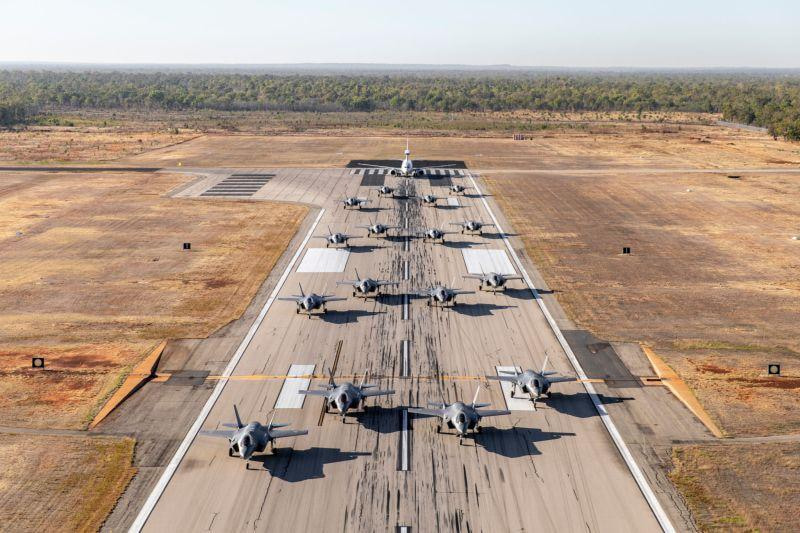
Darwin: The port and airbase at the top of Australia’s Northern Territory host rotating foreign forces most years, and European flags have started appearing among them. That presence now rests on a document that commits nobody to defend anybody.

The European Union and Australia adopted a Security and Defence Partnership in March 2026, the framework High Representative Kaja Kallas has used to bind Brussels to Indo-Pacific partners. Japan, South Korea and India signed comparable texts first. Canberra makes four. The partnership document runs to a short list of cooperation areas rather than obligations.

That distinction matters more than the signing photographs suggested. These partnerships are politically declaratory and legally non-binding. They create no mutual defence clause, no consultation trigger and no automatic access to European funding instruments. Officials on both sides say so openly. The instrument codifies alignment; it does not manufacture capability.

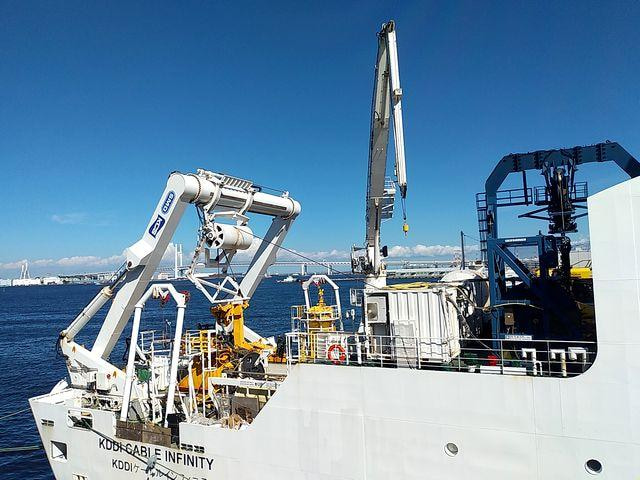
So the useful question is what the two sides actually do under it. Four workstreams carry most of the weight. Maritime security ranks first, and it reaches beyond naval symbolism into hydrographic data, port state control and the monitoring of dark fleet shipping. Counter-disinformation work, filed under foreign information manipulation and interference, comes second. Cyber protection and counterterrorism follow. Space security, largely a question of situational awareness and debris tracking, rounds out the list.

The most concrete line concerns exercises. Both sides agreed to explore cross-participation in military exercises and scenario-based discussions. Australia already opens Exercise Pitch Black and Talisman Sabre to European air forces and navies on a bilateral basis. Folding those invitations into an EU framework changes the administration rather than the aircraft. It gives the European External Action Service a standing seat where previously Paris, Berlin and Rome each negotiated alone.

Industry is where the ambiguity bites. Australian firms want a route into European defence procurement, and European primes want Australian critical minerals and sustainment work. The Security Action for Europe instrument and the European Defence Industry Programme both restrict third-country participation, and neither opens automatically to a partnership signatory. Australia would need a separate negotiation, and Canberra has not started one publicly. Until that happens, the defence industrial content of the relationship stays aspirational.

The minerals file gives the partnership its firmest commercial anchor. The free trade agreement concluded in March 2026, after eight years of talks, grants tariff-free access for lithium, antimony, tungsten and rare earths, and upgrades the 2024 minerals partnership. Analysts in Canberra caution that tariff lines do not build refineries. Australia mines a great deal and processes comparatively little, and most of what it digs still travels to Chinese smelters. Europe cannot change that with market access alone.

Read together, the two texts describe a relationship that has become broad without becoming deep. Brussels gains a like-minded partner astride the sea lanes that carry roughly a fifth of its trade. Canberra gains a hedge against an unpredictable Washington and a second buyer for the minerals it wants to process at home. Neither gains a guarantee.

That may be the honest ceiling. The European Union does not project force into the Pacific and will not start. Australia sits inside AUKUS and the ANZUS treaty and needs no further security blanket. What both lacked was a standing channel for the grey-zone problems, cable cuts, sanctions evasion, information operations, that fall below the threshold where alliances operate. The partnership supplies that channel. Whether officials use it will show up in working group minutes rather than in communiques.