Palma: The Western Mediterranean route recorded about 19,700 irregular crossings in the first ten months of 2026, a rise of 21% on the same period of 2025, according to preliminary Frontex data released on 13 November. It was the only major migration corridor into the EU to grow this year, even as total detections fell by 29%.
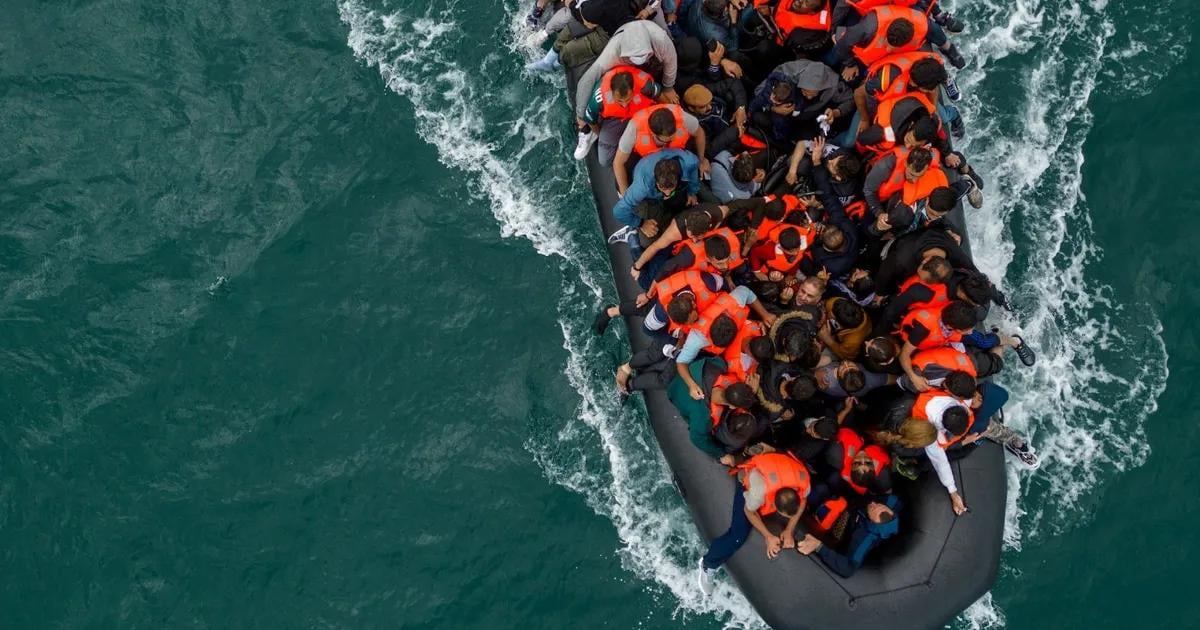
Algeria has become the main departure country on the Western Mediterranean route. Boats leaving the Algerian coast head for mainland Spain and increasingly for the Balearic Islands, which Frontex now describes as the most dangerous entry point on the route. Algerians, Moroccans and Malians make up the largest groups among those detected.
The contrast with the rest of the EU’s external border is striking. Across all routes, Frontex counted almost 110,000 irregular crossings between January and October, and the Central Mediterranean fell by 55% to about 26,600. The Eastern Mediterranean declined by 12% to around 38,200, although the Libya to Crete section remained busy with more than 16,000 arrivals on the Greek island.
Algeria also features on the Central Mediterranean, where crossings toward Italy hit a monthly record in September and unprecedented activity reached Sardinia. That shift, mirrored on the Western Mediterranean route, suggests that smugglers adjust quickly when pressure rises on Libyan departure points, moving to shorter or less patrolled crossings.
For Spain, the Western Mediterranean route adds to a heavy autumn on the Atlantic side. October alone brought about 5,100 arrivals on the Western African route to the Canary Islands, four times the level of October 2025. Madrid must therefore manage two pressure points at once while the Pact on Migration and Asylum moves into its implementation phase.
The figures arrive at a sensitive moment for EU migration policy. The new Return Regulation, adopted this autumn, allows return hubs in third countries and longer detention, and several governments want to test it quickly. Cooperation with Algeria, however, remains limited compared with the arrangements the EU has built with Tunisia, Egypt and Mauritania.
Frontex deploys more than 3,800 officers at the external borders, and Executive Director Hans Leijtens has pointed to instability in the Sahel and returns of Afghans from Iran and Pakistan as drivers of movement. The agency also notes that its numbers count detections, so the same person can appear more than once.
The human cost continues to weigh on the debate. The International Organization for Migration estimates that more than 2,000 people have died in the Mediterranean so far in 2026, and search and rescue capacity around the Balearics remains thin.
The Western Mediterranean route now looks set to become a priority file for the Commission and Spain in 2027, as policymakers try to stop a corridor that keeps growing while others shrink.