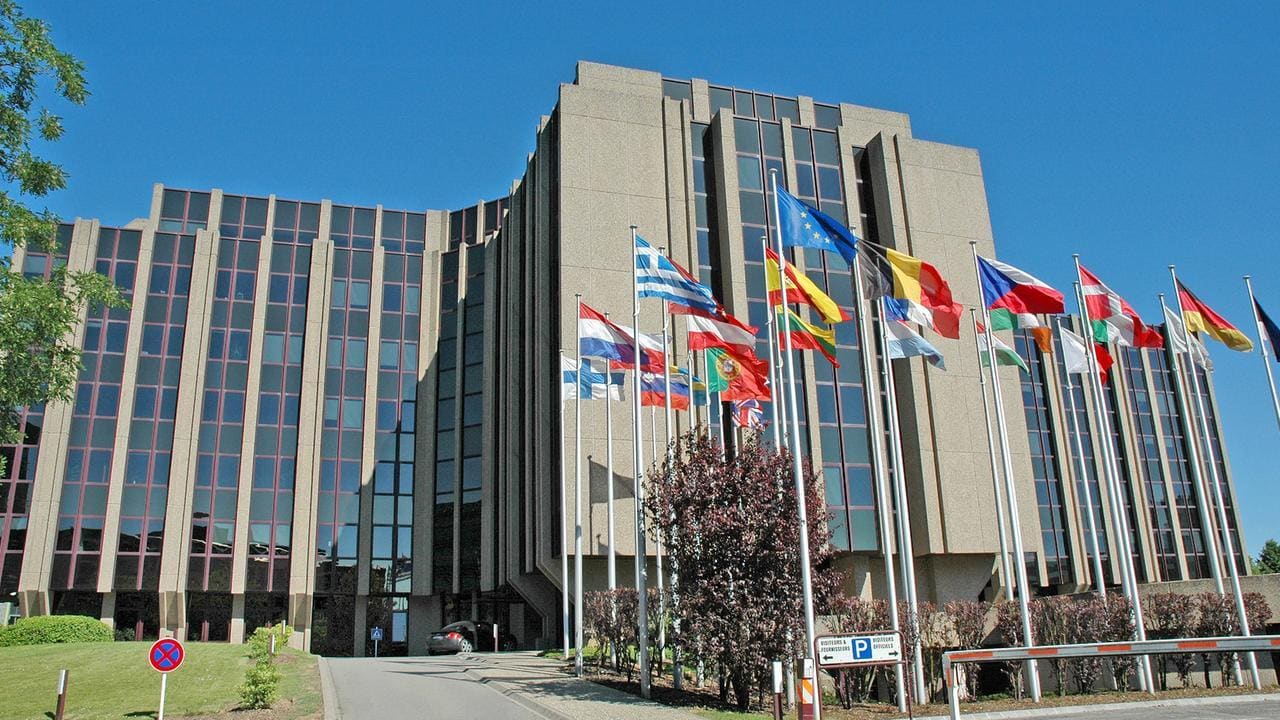
Košice: A recommendation to recover money is not the same thing as money arriving back in the European Union treasury, and the gap between the two has now been measured. Between 2022 and 2024 the European Anti-Fraud Office recommended that 615 million euros be returned to the EU budget. Roughly 23 million euros actually came back over that window. The European Court of Auditors put that figure at the centre of its June assessment of the Commission’s anti-fraud strategy, which it summarised in a subtitle that does most of the work: comprehensive, yet insufficiently ambitious.
The auditors did not accuse anyone of neglect. They described an architecture that looks complete on paper and leaks at every joint. Mandates are clear enough. OLAF investigates administratively, the European Public Prosecutor’s Office prosecutes criminally in the participating states, national authorities collect the money, and the Commission is supposed to see the whole board. The auditors concluded that it does not. The Commission lacks full oversight of what is owed to the budget and of what national administrations eventually claw back.
That blind spot matters more than the raw recovery ratio suggests. Recovery is slow by design. Debtors appeal, insolvencies swallow claims, and a recommendation issued in 2024 may take until 2029 to convert into a payment. Nobody serious expects parity. What the auditors flagged is that the Commission cannot currently distinguish a case that is stuck in an appeal court from a case that a national ministry quietly dropped. Without that distinction, the anti-fraud strategy cannot tell an ambitious action plan from a decorative one.
Information exchange drew the sharpest criticism. The auditors found that OLAF, the EPPO, Eurojust and the Commission’s own spending departments still pass case intelligence between them in ways that limit how many investigations ever start. A customs officer in one member state may see a trade-diversion pattern that an agricultural fund manager in another would recognise instantly. The pattern rarely travels.
OLAF’s own numbers give the scale. The office closed 209 investigations in 2025 and opened 254, recommending the recovery of 597 million euros and blocking another 18 million before it left the budget. Expenditure cases clustered around rigged procurement, undeclared conflicts of interest and inflated invoices. Revenue cases clustered around tobacco and e-cigarette smuggling. Eighteen files touched the Recovery and Resilience Facility, the instrument that pushed unprecedented sums through national systems at unprecedented speed.
The Commission has already moved, partly in anticipation. In July it proposed making national anti-fraud strategies mandatory for every member state, tightening reporting obligations and reviewing the legislation that governs the EU’s anti-fraud bodies. Several capitals write such strategies voluntarily today. Several do not, and those are generally the ones whose detection rates look suspiciously clean.
Making a strategy mandatory is the easy part. The harder question is what happens when a member state files one and nothing changes. The auditors noted that reporting on the current strategy measures implementation status rather than results, which is a polite way of saying that ticking boxes counts and outcomes do not. A mandatory national strategy reviewed by the same metric would reproduce the problem one level down.
Parliament’s budgetary control committee will test that logic when it takes up the auditors’ recommendations this autumn, in parallel with the Commission communication on the anti-fraud architecture expected before the year ends. The recovery ratio will be quoted at every hearing. The more useful question is whether anyone can yet say, case by case, where the missing 592 million euros went.