Faro: Crews from countries with no fire season of their own have spent the summer stationed across the Algarve and five other southern regions. On 15 September the wildfire standby arrangement that put them there closes for the year, and 777 firefighters from fourteen European countries go home.
The scheme works by borrowing. Countries whose own risk peaks at a different time of year, or not at all, second crews to Cyprus, Greece, Italy, France, Spain and Portugal for the dangerous months. They arrive before the fires, train alongside the host service, and wait. When nothing burns near them, they have still learned the terrain, the radio protocols and the command structure of a service they may be sent back to in an emergency.
Growth has been steady rather than dramatic. The Commission account of the 2026 season records 236 firefighters from six countries in the first year of pre-positioning in 2022, against 777 from fourteen this summer. Participation has more than tripled in four seasons, which for a voluntary mechanism with no funding formula attached is a respectable rate of adoption.
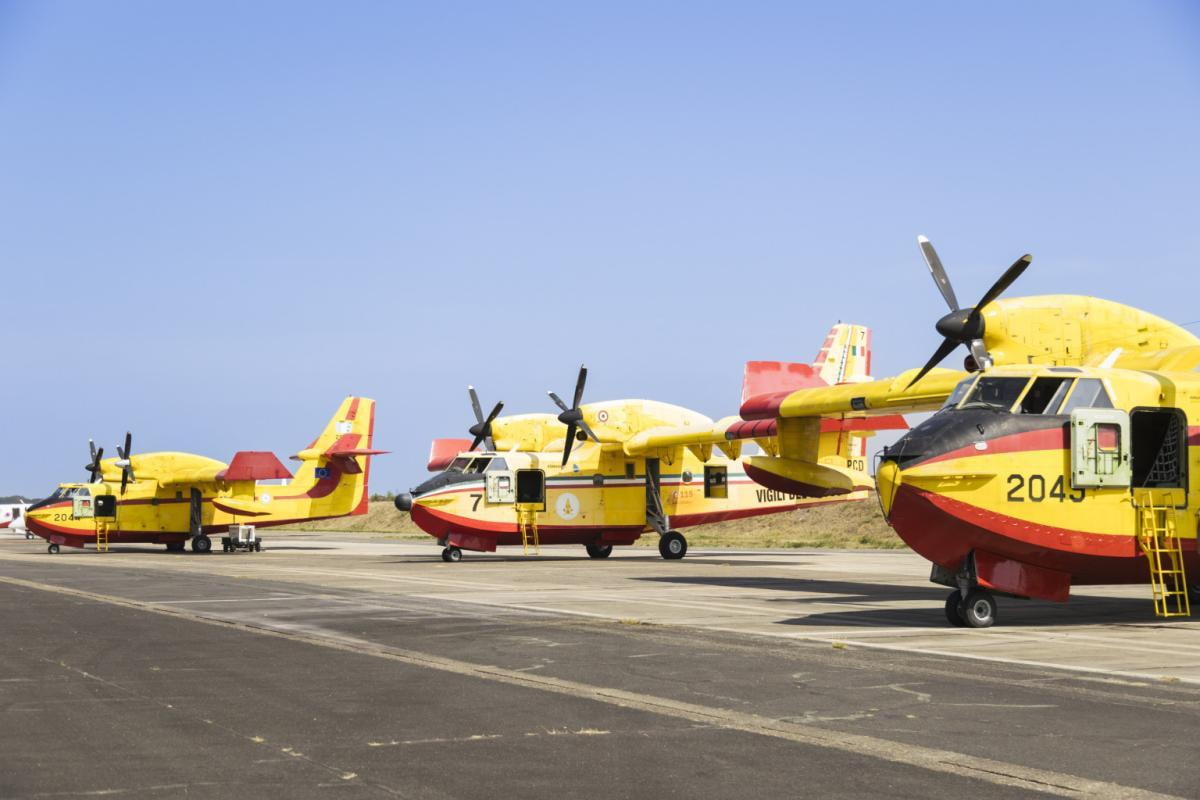
Aircraft complete the picture. Twenty-two firefighting planes and five helicopters in the rescEU fleet have been on standby through the same window, financed entirely from the Union budget rather than by the host state. That distinction matters politically. A government facing a fire it cannot contain requests assistance without an invoice arriving behind it.
The design has an obvious weakness, and this summer tested it. Pre-positioning assumes that risk peaks in different places at different times, so crews can move toward the emergency. When several member states burn simultaneously, as Portugal and France did in early July, the pool empties fast and the mechanism becomes a queue.
The calendar deserves scrutiny too. Fifteenth September made sense when the season ran to a predictable rhythm. Fires in October and November have become unremarkable across the western Mediterranean, and a fixed end date leaves host countries covered by their own resources at precisely the point when those resources have been running for four straight months.
Extending the window would cost money that nobody has allocated. The seconding countries release personnel from their own establishments, and a longer deployment means either more staff or fewer volunteers next year. Officials in the civil protection service have said as much, without proposing a solution.
The season now closing will be assessed over the winter, when the operating rules are reviewed and capitals decide what to offer for 2027. The number to watch is not the headline 777. It is how many of the fourteen contributing countries come back after a summer in which their crews were used hard.
The aircraft stay under contract. The people go back to their day jobs on Tuesday.