
September 16, 2026
LATEST
Software Makers Face Europe’s Product Liability Deadline in DecemberCage-Free Promises Land Before the Transport File Is FinishedTwo New Calls Will Test How Flexible Horizon Europe Really IsEurope’s Innovation Act Counts 10 Billion It Has Not Found YetProcurement Is the Chapter That Could Stall the Thailand DealMobility Week Returns With a Test of Intergenerational FairnessMinisters Debate the Chips Act Next Week With No Money AttachedTaiwan Wants Tax Treaties That Brussels Has No Power to SignNorth Korea Now Earns From Europe Without Shipping AnythingPalm Oil Is the Last Hard Question Before the Indonesia SigningCan One Year Deliver Both a Trade Deal and a Sea CodeVietnam Reached Europe’s Top Partnership Tier With Little DetailLeaked Draft Puts Europe’s Social Media Age Limit at FifteenA Ceuta Debate Whose Title Has Already Reached a VerdictFP10 Clears Committee and the Budget Gap Stays Wide OpenEurope’s New Merger Guidelines Face a Council Test Next WeekEurope’s Culture Capitals Face Their Biggest Rewrite Since 1985Only Italy Has a Bill as Platform Work Deadline NearsCustoms Fraud Charges Land in Germany Over Wrecked CarsCar Tariffs Show Why the India Deal Still Needs Two VotesSoftware Makers Face Europe’s Product Liability Deadline in DecemberCage-Free Promises Land Before the Transport File Is FinishedTwo New Calls Will Test How Flexible Horizon Europe Really IsEurope’s Innovation Act Counts 10 Billion It Has Not Found YetProcurement Is the Chapter That Could Stall the Thailand DealMobility Week Returns With a Test of Intergenerational FairnessMinisters Debate the Chips Act Next Week With No Money AttachedTaiwan Wants Tax Treaties That Brussels Has No Power to SignNorth Korea Now Earns From Europe Without Shipping AnythingPalm Oil Is the Last Hard Question Before the Indonesia SigningCan One Year Deliver Both a Trade Deal and a Sea CodeVietnam Reached Europe’s Top Partnership Tier With Little DetailLeaked Draft Puts Europe’s Social Media Age Limit at FifteenA Ceuta Debate Whose Title Has Already Reached a VerdictFP10 Clears Committee and the Budget Gap Stays Wide OpenEurope’s New Merger Guidelines Face a Council Test Next WeekEurope’s Culture Capitals Face Their Biggest Rewrite Since 1985Only Italy Has a Bill as Platform Work Deadline NearsCustoms Fraud Charges Land in Germany Over Wrecked CarsCar Tariffs Show Why the India Deal Still Needs Two Votes
September 16, 2026
LATEST
Software Makers Face Europe’s Product Liability Deadline in DecemberCage-Free Promises Land Before the Transport File Is FinishedTwo New Calls Will Test How Flexible Horizon Europe Really IsEurope’s Innovation Act Counts 10 Billion It Has Not Found YetProcurement Is the Chapter That Could Stall the Thailand DealMobility Week Returns With a Test of Intergenerational FairnessMinisters Debate the Chips Act Next Week With No Money AttachedTaiwan Wants Tax Treaties That Brussels Has No Power to SignNorth Korea Now Earns From Europe Without Shipping AnythingPalm Oil Is the Last Hard Question Before the Indonesia SigningCan One Year Deliver Both a Trade Deal and a Sea CodeVietnam Reached Europe’s Top Partnership Tier With Little DetailLeaked Draft Puts Europe’s Social Media Age Limit at FifteenA Ceuta Debate Whose Title Has Already Reached a VerdictFP10 Clears Committee and the Budget Gap Stays Wide OpenEurope’s New Merger Guidelines Face a Council Test Next WeekEurope’s Culture Capitals Face Their Biggest Rewrite Since 1985Only Italy Has a Bill as Platform Work Deadline NearsCustoms Fraud Charges Land in Germany Over Wrecked CarsCar Tariffs Show Why the India Deal Still Needs Two VotesSoftware Makers Face Europe’s Product Liability Deadline in DecemberCage-Free Promises Land Before the Transport File Is FinishedTwo New Calls Will Test How Flexible Horizon Europe Really IsEurope’s Innovation Act Counts 10 Billion It Has Not Found YetProcurement Is the Chapter That Could Stall the Thailand DealMobility Week Returns With a Test of Intergenerational FairnessMinisters Debate the Chips Act Next Week With No Money AttachedTaiwan Wants Tax Treaties That Brussels Has No Power to SignNorth Korea Now Earns From Europe Without Shipping AnythingPalm Oil Is the Last Hard Question Before the Indonesia SigningCan One Year Deliver Both a Trade Deal and a Sea CodeVietnam Reached Europe’s Top Partnership Tier With Little DetailLeaked Draft Puts Europe’s Social Media Age Limit at FifteenA Ceuta Debate Whose Title Has Already Reached a VerdictFP10 Clears Committee and the Budget Gap Stays Wide OpenEurope’s New Merger Guidelines Face a Council Test Next WeekEurope’s Culture Capitals Face Their Biggest Rewrite Since 1985Only Italy Has a Bill as Platform Work Deadline NearsCustoms Fraud Charges Land in Germany Over Wrecked CarsCar Tariffs Show Why the India Deal Still Needs Two Votes

Cheap Wireless Earbuds Powered a VAT Carousel Worth Twenty Million

Plzeň: Investigators who unpicked this scheme found no exotic instrument and no offshore trust. They found earbuds, invoices and a chain of companies that existed long enough to claim a refund. The VAT carousel that European prosecutors broke up in late August ran on consumer electronics small enough to ship by parcel.

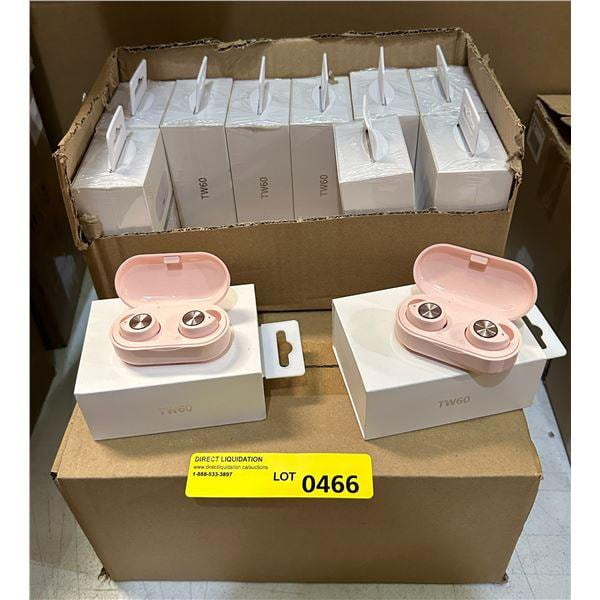
The European Public Prosecutor’s Office arrested five suspected organisers in Czechia on 26 August, describing them as the ringleaders of a group that had operated since at least 2019. Investigators put the damage at roughly 20 million euro between 2019 and 2023. The traded goods were wireless earbuds, a product with high value per kilogram and a deep grey market.

The mechanism is old and stubbornly effective. A trader buys goods from another member state without paying value added tax, because cross-border supplies inside the single market are zero rated. The trader sells them domestically with tax added, collects that tax from the buyer and disappears before remitting it. Later companies in the chain reclaim input tax the state never received. Run the goods around the loop repeatedly and the refunds multiply while the physical stock barely moves.

Small, valuable electronics suit the model perfectly. A pallet of earbuds crosses three borders in a week without attracting attention, and the paper trail looks like ordinary distribution. Prosecutors have run comparable investigations into mobile phones, processor chips and, in one case this year, diesel fuel.

The case file illustrates why the prosecutor’s office exists. National authorities each saw a fragment. One tax administration saw an exporter with implausible margins, another saw an importer that never filed, a third saw nothing at all because the company in its jurisdiction behaved correctly. Only an office with a single mandate across borders assembles those fragments into one prosecution.

Scale explains the institutional pressure. The prosecutor’s office reported more than 3,600 active cases at the end of 2025, with estimated damage above 67 billion euro, and customs and value added tax fraud account for the largest share. Its administrative counterpart recommended the recovery of 597 million euro in its 2025 report, closing 209 investigations and opening 254.

Those figures raise an awkward question about resourcing. A caseload that size, handled by delegated prosecutors who also answer to national hierarchies, produces long investigations and uneven outcomes across member states. Defence lawyers point out that estimated damage is an investigative figure, not a judicial finding, and that convictions lag arrests by years. Both observations are fair.

The structural fix has been available for a decade and remains politically stuck. A definitive value added tax regime, taxing cross-border supplies at destination rather than zero rating them, would remove the gap the carousel exploits. Finance ministers have circled that reform since 2017 without adopting it, because it redistributes administrative burden and revenue timing between states. Digital reporting requirements will narrow the window from 2030, which helps, but only after the current rules run another few years.

Until then enforcement carries the load. Watch whether the Czech proceedings reach indictment quickly, because the deterrent value of these operations depends almost entirely on how fast the courtroom follows the arrest.