
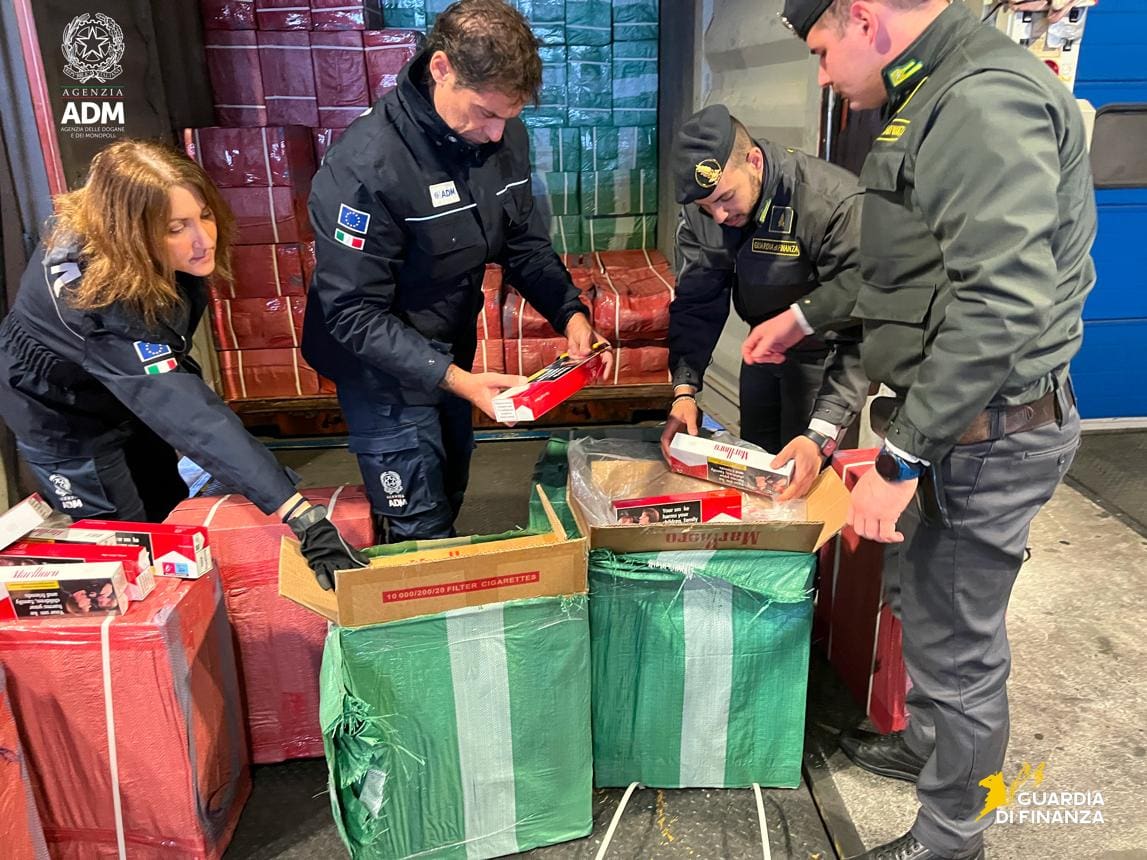
Vilnius: A quiet operation this month cut the wiring of a cigarette smuggling network that had been bleeding hundreds of millions of euros out of national treasuries. Investigators from the EU’s anti-fraud office joined customs officers across several member states to dismantle an illicit supply chain that fed untaxed tobacco into the single market.
The bloc’s anti-fraud office, known by its French acronym OLAF, does not make arrests. It gathers evidence, traces money and hands recommendations to national prosecutors and tax authorities who then act. In tobacco cases the stakes run high because every carton sold off the books dodges excise duty and value-added tax, two of the steadiest sources of public revenue. A single warehouse of counterfeit or contraband cigarettes can represent tens of millions in lost receipts.
The July action fits a pattern the office set out in its most recent annual figures. Across 2025 OLAF closed 254 fresh investigations and recommended the recovery of almost 600 million euros in misused or stolen funds. Its work also blocked a further 18 million euros from being wrongly paid out in the first place. Those numbers, laid out in the office’s annual report, capture only the cases that reached a conclusion, not the many still grinding through national courts.
Tobacco remains one of the most stubborn fronts. Organised groups exploit gaps between national tax rates, forge transit paperwork and route shipments through ports where oversight is thin. The profit margins rival those of harder contraband while the criminal penalties, in many countries, stay comparatively mild. That imbalance keeps drawing new entrants even as old networks fall.
The financial damage lands twice. Governments lose the duty they were owed, and legitimate retailers lose custom to sellers who undercut them with cheaper, untaxed stock. Public-health officials add a third complaint, noting that smuggled cigarettes escape the tracing and labelling rules designed to discourage smoking and warn buyers.
Brussels has been tightening the net. In late July the bloc moved to strengthen its wider defences against fraud, part of a longer push to protect the money that flows through the shared budget and the customs union. The reforms lean on better data-sharing between national agencies and on giving investigators faster access to trade records, the paper trail that usually exposes a fake shipment.
Recovery, though, is slow and uncertain. A recommendation to claw back funds does not guarantee the cash returns, since assets vanish, companies dissolve and jurisdictions squabble over who leads a prosecution. Officers privately concede that prevention beats pursuit, which is why so much of the recent effort targets the paperwork and payment routes that smugglers rely on rather than the finished cartons.
For now the dismantled network counts as a clear win, one supply line severed and its organisers exposed. The harder task is making sure the gap it leaves does not simply fill again with the next set of operators chasing the same easy margins.


