Tampere: An e-methane plant planned in Tampere moved closer to construction on 20 November 2026, when the European Investment Bank announced a €60 million loan to Finnish developer Nordic Ren-Gas. The financing is the first draw on a wider EIB framework that could fund a network of renewable fuel facilities across Finland.
The EIB board raised its debt framework for Ren-Gas to €680 million in September, up from €230 million. That envelope covers six decentralised e-methane projects that the company is developing with local energy utilities. The framework is not a single investment, and each plant must draw its own share after its own financing decision.
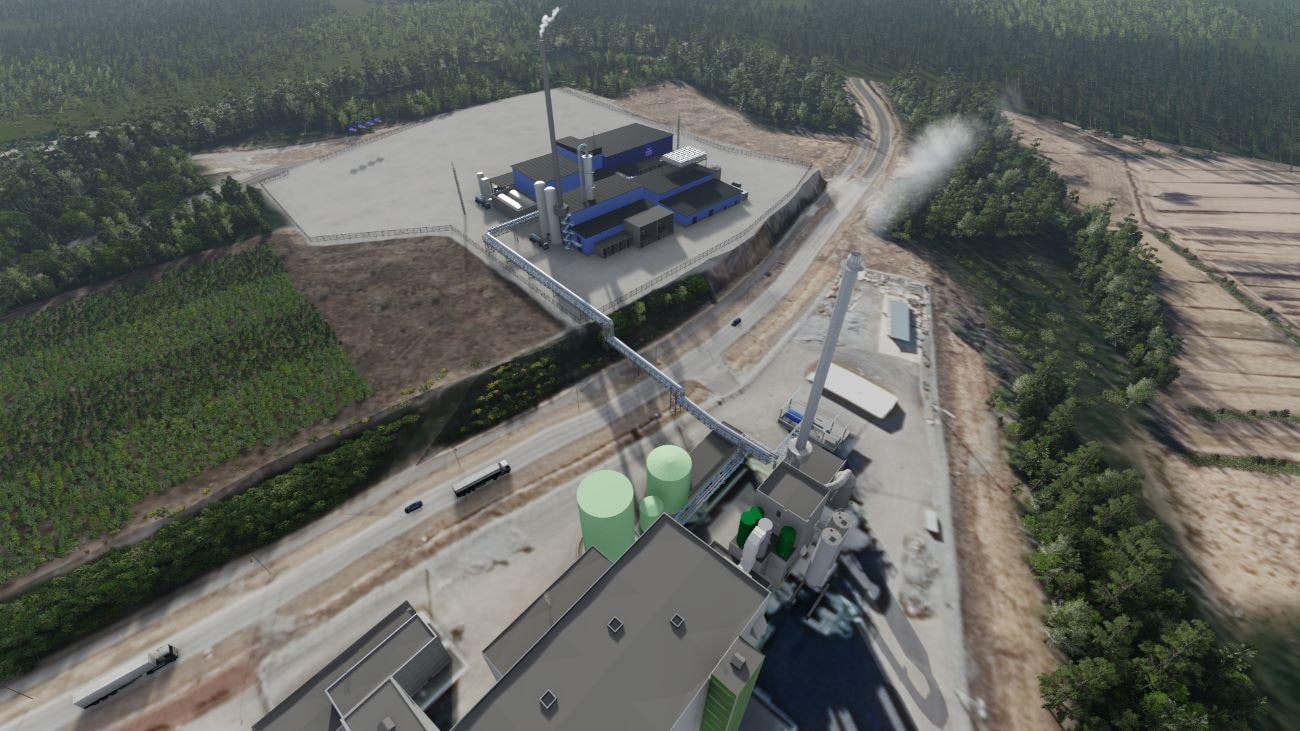
The Tampere e-methane plant is the first in line. Ren-Gas has said it aims to start construction in the fourth quarter of 2026, and the new loan helps close the funding gap before building begins. Chief financial officer Juhani Häyrinen described the September decision as an important milestone for the company.
E-methane is a synthetic gas made by combining green hydrogen with captured carbon dioxide. It is chemically identical to fossil natural gas, so it can flow through existing pipes, fuel heavy transport or supply industry. The process also produces waste heat, and Ren-Gas plans to sell that heat into district heating networks run by its utility partners.
The business model rests on long-term contracts. Ren-Gas has signed offtake agreements for green hydrogen and heat, which give lenders confidence that each e-methane plant will earn steady revenue. Finland offers strong conditions for the technology, with cheap wind power, large district heating systems and biogenic carbon dioxide from pulp mills and energy plants.
The loan fits the EU’s push for renewable fuels of non-biological origin under the revised Renewable Energy Directive. Member states must ensure that such fuels make up a rising share of industrial hydrogen use and transport energy by 2030. Shipping companies also need low-carbon fuels to meet the FuelEU Maritime rules, and e-methane can run in the liquefied natural gas engines that many new ships already carry.
The EIB has become a key backer of these projects because commercial banks remain cautious about a young technology. Each e-methane plant carries technical risk, high upfront cost and exposure to electricity prices. Public lending at long maturities can crowd in private money once the first plants prove they work.
Critics question whether synthetic gas is the best use of scarce renewable electricity. Direct electrification is usually more efficient, and producing hydrogen and then methane loses a significant share of the original energy. Supporters reply that some sectors, such as shipping and high-temperature industry, cannot easily switch to electricity.
The coming months will test that case. If construction starts on schedule in Tampere, the next five projects in the Ren-Gas portfolio could follow, each drawing on the €680 million EIB framework.
A working e-methane plant in Tampere would give Brussels hard evidence that renewable gas can scale in Europe, and it would show other member states how public lenders and local utilities can share the risk.