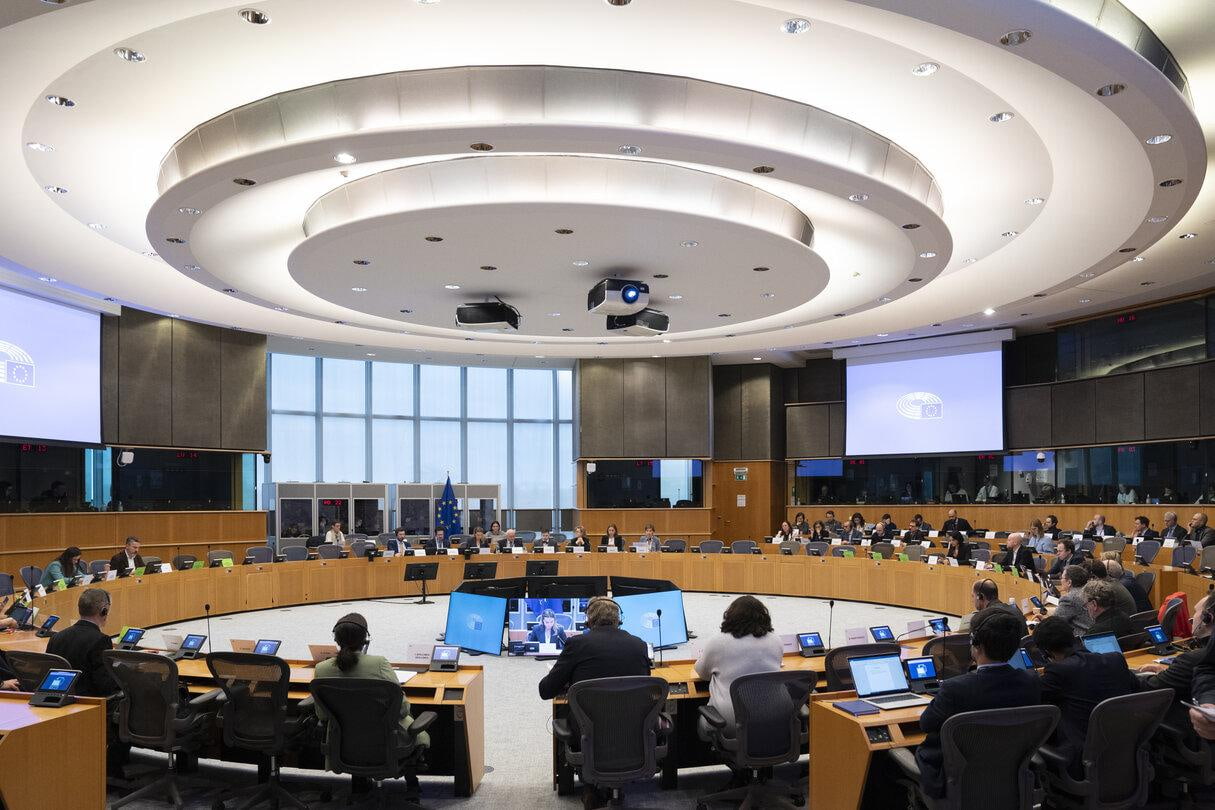
Luxembourg: An energy windfall tax moved from rumour to the formal agenda on 9 October 2026, when EU finance ministers held a first exploratory debate at the Ecofin Council in Luxembourg. Commissioner Wopke Hoekstra opened the discussion and stressed that the Commission has not tabled a legal text.
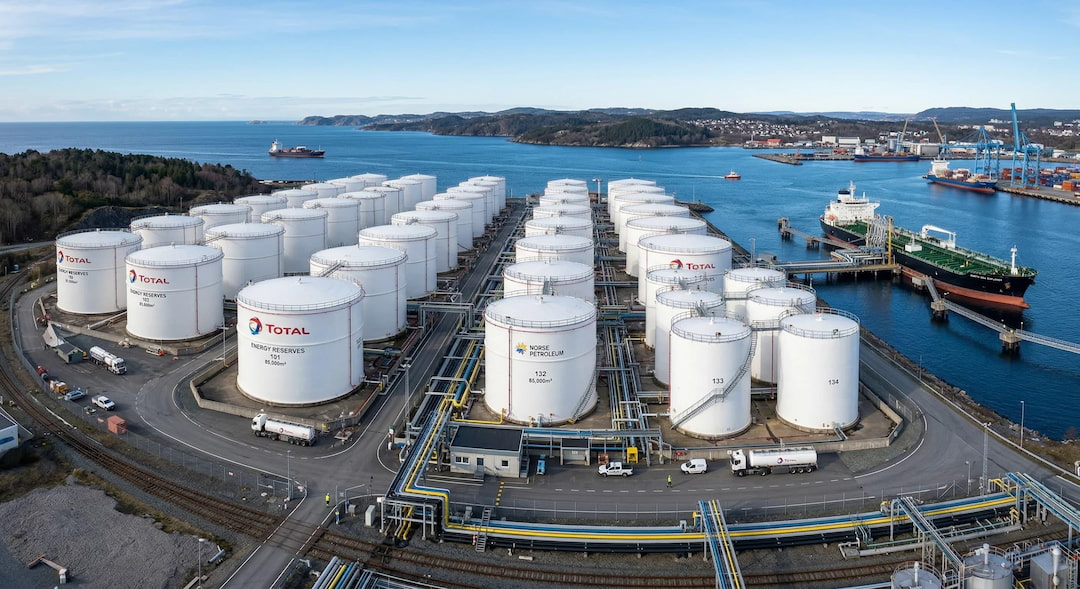
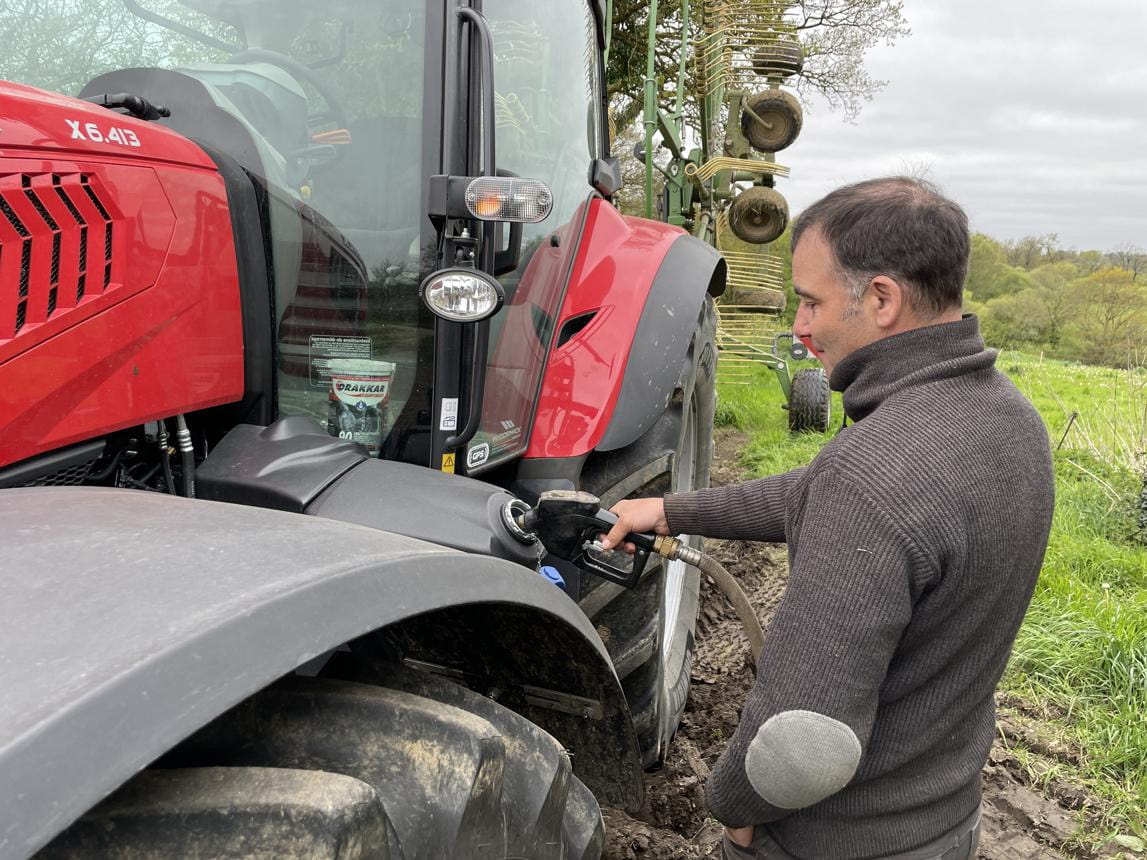
Hoekstra told ministers that it was too early to discuss specific proposals and that the Commission must consult widely before it acts. The idea responds to the surge in fuel and electricity prices that officials link to the war in Iran and the closure of the Strait of Hormuz. An energy windfall tax would claw back part of the extraordinary profits that producers and traders earn when prices spike, and governments could then use the money to cushion households and firms.
The debate arrives as inflation climbs. Eurostat reported euro area inflation of 3.8 percent in September, and energy alone grew at an annual rate of 18.9 percent. Those figures give finance ministers a hard reason to look for revenue and relief at the same moment.
Ministers did not agree on how to pay for relief. Italy’s Giancarlo Giorgetti said he was confident that existing EU rules, including an energy clause already approved, allow new spending, and he asked for more budgetary flexibility. Commissioner Valdis Dombrovskis rejected that request and said the Union cannot keep inventing new forms of flexibility. Eurogroup President Kyriakos Pierrakakis added that governments must tackle energy prices without sending the wrong fiscal signals.
Those positions show why an energy windfall tax appeals to some capitals. If governments can fund support through a levy on energy companies, they can avoid asking for looser fiscal rules. Critics will answer that such levies can discourage investment in supply, and that EU tax decisions need unanimity in the Council, which makes a quick Union-wide solution hard.
Agence Europe reported that the Commission plans an interinstitutional working group on taxing energy companies’ windfall profits. The Commission has set no timetable and has not said when it will present concrete proposals. It says it wants the broadest possible consensus before it moves.
Past experience offers a guide. In 2022 the Union adopted an emergency regulation with a temporary solidarity contribution on fossil fuel companies, and Member States designed their own measures within a common frame. Whether ministers reuse that model for a 2026 energy windfall tax will shape both the rate and the legal basis.
For now, the first Ecofin discussion produced no decision, only a debate. Watch for the working group’s mandate, for any Commission paper on design options, and for the next Ecofin meetings, where the energy windfall tax will compete with national demands for fiscal room. If prices stay high through winter, pressure to turn an exploratory debate into a proposal will grow.