
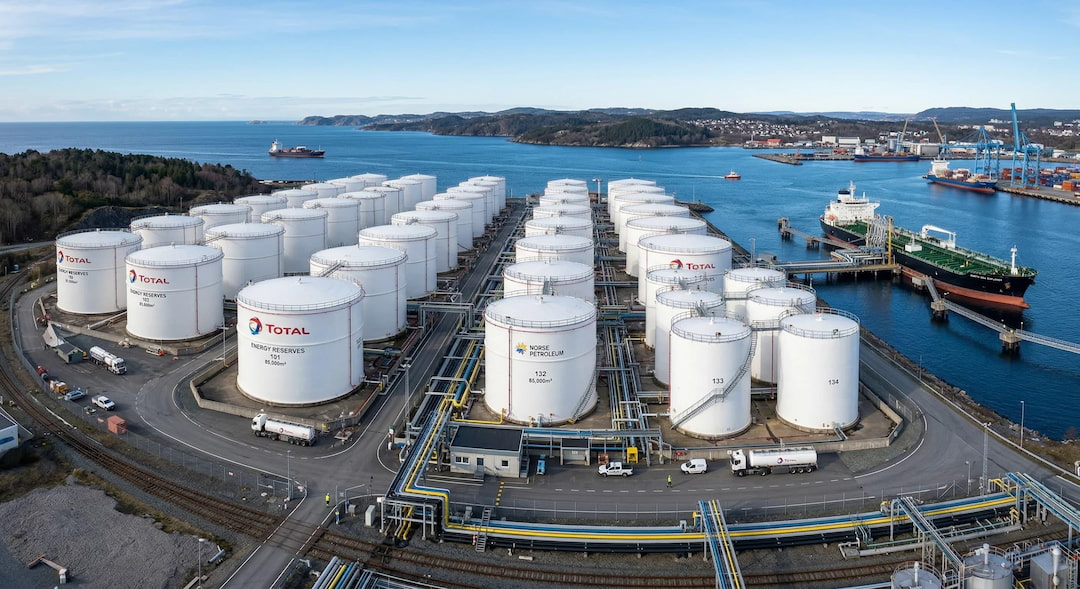
Piraeus: Eleven EU governments will release 20.5 million barrels of diesel from their diesel strategic reserves by the end of January 2027, as winter supply fears grow. Belgium, Denmark, France, Germany, Greece, Italy, Lithuania, Luxembourg, the Netherlands, Portugal and Sweden joined the pledge. French minister Roland Lescure presented the declaration at an energy ministers’ meeting in Luxembourg on 29 October 2026.
The pledge follows a G7 energy security statement and a call from the International Energy Agency. Earlier in the year, in March, countries released 42.6 million barrels of oil and products under an IEA collective action, and nearly half of those products were diesel. The new release from diesel strategic reserves therefore draws on the same stocks for a second time.
Prices explain the urgency. Brent crude traded at $112 on 20 October, up from about $40 before the war. Those prices make every barrel drawn from diesel strategic reserves expensive to replace. Energy Commissioner Dan Jørgensen has warned about rising prices, although the Commission says it does not foresee physical shortages.
The eleven governments also asked Brussels for better information. They want monthly data on volumes, product types and delivery timing, collected through the Commission’s oil monitoring group. They further want refinery output monitored and refining capacity encouraged, since Europe imports a large share of the diesel it burns.
The Commission has started to respond. On 30 October it launched its first high-level dialogue with the European refining sector, covering energy security, defence readiness and competitiveness. The industry body FuelsEurope has asked for conditions that protect refining competitiveness while governments draw down stocks.
Diesel matters because haulage, farming and public transport depend heavily on it, so a supply squeeze spreads quickly into the prices of food and goods. Governments therefore treat the fuel as a strategic product, and they want clear rules on who releases what and when.
Economic security officials see the diesel strategic reserves as a shock absorber rather than a long-term answer. Stocks held for emergencies can calm markets for a few weeks, but each release leaves a smaller buffer for the next disruption. Refilling those stocks later will add demand just when markets are tight.
The calendar is short. Ministers will review progress at their meeting on 10 December, which falls before the January deadline for the full release. That review will show whether governments deliver the barrels on time and whether the Commission’s monthly data gives traders enough confidence to ease prices.
For households and hauliers, the immediate effect is limited, since diesel strategic reserves reach the market through the wider supply chain. Yet the signal matters. Eleven capitals have agreed to act together before shortages appear, and they have put numbers and dates on the commitment.


