November 2, 2026
LATEST
South Africa Clean Trade Partnership Holds First Official DialogueKazakhstan Critical Raw Materials Deal Needs Money Behind ItEgypt Macro-Financial Assistance Nears End With €1.5bn PendingMalaysia EU Trade Talks Eye June 2027 With Palm Oil UnresolvedSeveso III Directive Case Sends Finland To EU Court Of JusticeDriving Licence Rules Bring 15-Year Validity, Digital OptionFDI Screening Notifications Climb 40 percent To 667 Cases Across EU In 2025Securitisation Reform Deal Cuts Bank Capital Charges Across EUHousehold Electricity Prices Ease To €0.28 As Ireland LeadsWestern Balkans Growth Plan Payments Move Slowly as Reforms LagNairobi Tests EU Kenya Global Gateway Promise on Public TrustEuro Area Inflation Splits As Italy Surges And Berlin EasesCustoms Data Hub Plan Puts Lille At Heart Of EU ReformEU Space Act Gets A Fresh Council Text From DublinDefence Readiness Roadmap 2030 Faces Its End Of 2026 MilestonesBlack Sea Fishing Quotas For 2027 Keep Sprat Limit UnchangedTobacco Tax Directive Faces ECOFIN Showdown With Sweden Next WeekInternational Climate Finance Hits 32.3 Billion Before COP31ByteDance Gatekeeper Appeal Meets A Hostile Court AdviserRail Passenger Travel Hits A Record 457 Billion KilometresSouth Africa Clean Trade Partnership Holds First Official DialogueKazakhstan Critical Raw Materials Deal Needs Money Behind ItEgypt Macro-Financial Assistance Nears End With €1.5bn PendingMalaysia EU Trade Talks Eye June 2027 With Palm Oil UnresolvedSeveso III Directive Case Sends Finland To EU Court Of JusticeDriving Licence Rules Bring 15-Year Validity, Digital OptionFDI Screening Notifications Climb 40 percent To 667 Cases Across EU In 2025Securitisation Reform Deal Cuts Bank Capital Charges Across EUHousehold Electricity Prices Ease To €0.28 As Ireland LeadsWestern Balkans Growth Plan Payments Move Slowly as Reforms LagNairobi Tests EU Kenya Global Gateway Promise on Public TrustEuro Area Inflation Splits As Italy Surges And Berlin EasesCustoms Data Hub Plan Puts Lille At Heart Of EU ReformEU Space Act Gets A Fresh Council Text From DublinDefence Readiness Roadmap 2030 Faces Its End Of 2026 MilestonesBlack Sea Fishing Quotas For 2027 Keep Sprat Limit UnchangedTobacco Tax Directive Faces ECOFIN Showdown With Sweden Next WeekInternational Climate Finance Hits 32.3 Billion Before COP31ByteDance Gatekeeper Appeal Meets A Hostile Court AdviserRail Passenger Travel Hits A Record 457 Billion Kilometres

VAT Fraud Mechanisms Extension Heads Toward A 23 November Vote

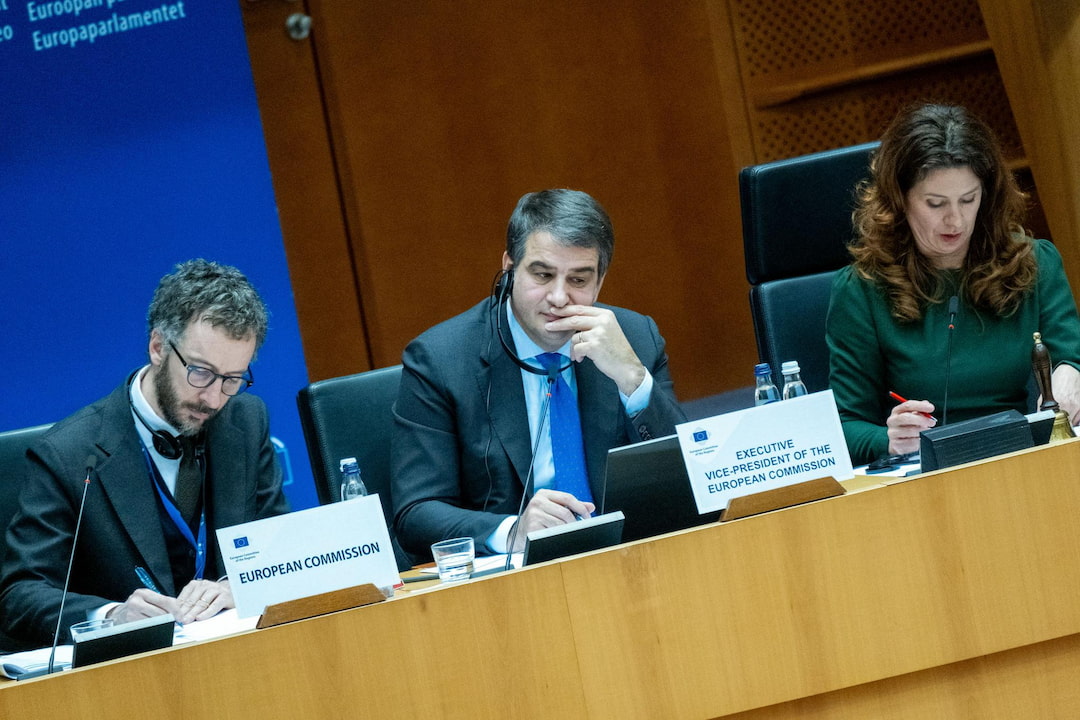
Valencia: The VAT fraud mechanisms that national tax authorities use against carousel schemes are set to stay available until 30 June 2030 if the European Parliament backs a Commission proposal that is now moving through its economic and monetary affairs committee. The committee will debate the file on 3 November 2026, and a plenary vote is scheduled for 23 November.

The proposal extends two optional tools, the Reverse Charge Mechanism and the Quick Reaction Mechanism, from December 2026 to the end of June 2030. The reverse charge shifts the duty to account for VAT from the seller to the buyer on certain sales, which closes the gap that missing-trader fraudsters exploit. The quick reaction tool lets a member state act fast when it detects a sudden, large-scale fraud pattern.

For businesses that trade across borders, the practical effect is continuity. Companies that already apply the reverse charge on specific supplies would not have to rebuild invoicing systems in December, and tax authorities would keep the early-warning tool that lets them react to fraud patterns within days rather than months. Under the proposal, the VAT fraud mechanisms remain optional for member states.

The VAT fraud mechanisms are not a new idea. They were first introduced as temporary measures against fraud that exploits the gap between sales in one state and tax collection in another, and each extension has been justified by the argument that a lasting solution is not yet in place.

French social democrat Aurore Lalucq is the rapporteur, and her draft report, published on 22 October, supports the Commission text without amendments. That position suggests a short negotiation in committee and a clean path to the November plenary session, although the Council will still need to agree the extension before it takes effect.

The extension acts as a bridge. The VAT in the Digital Age package, known as ViDA, introduces cross-border digital reporting from July 2030, and the optional VAT fraud mechanisms are meant to cover the years until that system runs. Without the extension, member states that use the tools would lose them in December, and businesses operating across several countries would face a sudden change in compliance rules.

Each year, missing-trader fraud costs governments large sums, which is why the tools are treated as a stopgap rather than a final answer. The European Anti-Fraud Office and the European Public Prosecutor’s Office, which investigate organised schemes, would gain from the data access that Parliament now requests.

Parliament has also pushed a wider agenda. On 20 October it adopted an own-initiative report on fighting VAT fraud, which calls for a single reporting system for transactions, wider use of artificial intelligence in the analysis carried out by Eurofisc, the network of national tax officials, and access to VAT and payment data for the European Anti-Fraud Office and the European Public Prosecutor’s Office. The vote count for that report was not stated in the sources reviewed.

Those requests show where lawmakers want VAT fraud mechanisms and enforcement to go once the transitional period ends. They also reflect a long-running concern that cross-border VAT fraud drains public budgets and funds organised crime, a point the Commission and the prosecutor’s office have raised repeatedly in recent years.

The coming weeks will test whether the VAT fraud mechanisms extension passes without controversy. If the committee debate on 3 November and the plenary vote on 23 November go as the draft report suggests, member states will keep their anti-fraud tools into 2030 while the new digital reporting system is built.