November 7, 2026
LATEST
Teacher Shortages Put The EU Teachers Agenda To The TestKingspan Fine And KKR Charge Put EU Merger Control To WorkMEPs Near First Vote On EU Space Act In Parliament Industry CommitteeMercosur Safeguard Rules Let EU Curb Surges In Car And Goods ImportsMontenegro And Albania Receive EU Accession Roadmaps From CommissionHelsinki Presses Washington Over Paid-For Patriot InterceptorsMeloni Letter Exposes The EU Single Voice Problem On UkraineEmissions Trading Link Defines The EU-UK Summit Agenda For 20 NovemberAddis Ababa Talks Test The EU-African Union Partnership PlanDark Patterns Face Reform As Digital Fairness Act NearsLong-Term EU Budget Talks Face A December DeadlineReturn Hubs Plan Reshapes EU Deportation Rules After DealFishing Sector Gets Vision 2040 Fisheries Strategy With €2bn FloorNominations Open For The Next European Research Council PresidentInvestFrontier Launch Pulls Private Capital Into Humanitarian AidYoung Farmers Targeted By 10 Share In Post-2027 CAP PlanCOP17 Biodiversity Deal Leaves Nature Finance Gap OpenParliament Backs High-Speed Rail Network Linking CapitalsEnergy And Tyre Labelling Gets Simpler Rules In Council MandateEU Defence Readiness Goal For 2030 Slips Despite €418 Billion OutlayTeacher Shortages Put The EU Teachers Agenda To The TestKingspan Fine And KKR Charge Put EU Merger Control To WorkMEPs Near First Vote On EU Space Act In Parliament Industry CommitteeMercosur Safeguard Rules Let EU Curb Surges In Car And Goods ImportsMontenegro And Albania Receive EU Accession Roadmaps From CommissionHelsinki Presses Washington Over Paid-For Patriot InterceptorsMeloni Letter Exposes The EU Single Voice Problem On UkraineEmissions Trading Link Defines The EU-UK Summit Agenda For 20 NovemberAddis Ababa Talks Test The EU-African Union Partnership PlanDark Patterns Face Reform As Digital Fairness Act NearsLong-Term EU Budget Talks Face A December DeadlineReturn Hubs Plan Reshapes EU Deportation Rules After DealFishing Sector Gets Vision 2040 Fisheries Strategy With €2bn FloorNominations Open For The Next European Research Council PresidentInvestFrontier Launch Pulls Private Capital Into Humanitarian AidYoung Farmers Targeted By 10 Share In Post-2027 CAP PlanCOP17 Biodiversity Deal Leaves Nature Finance Gap OpenParliament Backs High-Speed Rail Network Linking CapitalsEnergy And Tyre Labelling Gets Simpler Rules In Council MandateEU Defence Readiness Goal For 2030 Slips Despite €418 Billion Outlay

Foreign Investment Screening Notifications Jump 40 Percent In 2025

Hamburg: Foreign investment screening across the European Union grew sharply in 2025, as member states notified 667 investments to the Commission’s cooperation mechanism, up from 477 in 2024. The Commission published the figures on 14 October 2026 with its sixth annual report on the screening of foreign direct investment, and it described the 40 percent rise as the highest annual increase since the mechanism started.

The numbers show foreign investment screening that mostly clears deals quickly. Of the 667 notified cases, 88 percent were closed within 15 days, and the Commission issued opinions in fewer than 2 percent of them, in line with 2023 and 2024. The Commission’s page says closed, not cleared, so it does not state how many transactions went ahead unchanged. Around 12 percent of notified investments needed an in-depth security risk assessment, which the Commission describes as a 4 percent rise on last year, without saying whether that means percentage points or a relative increase.

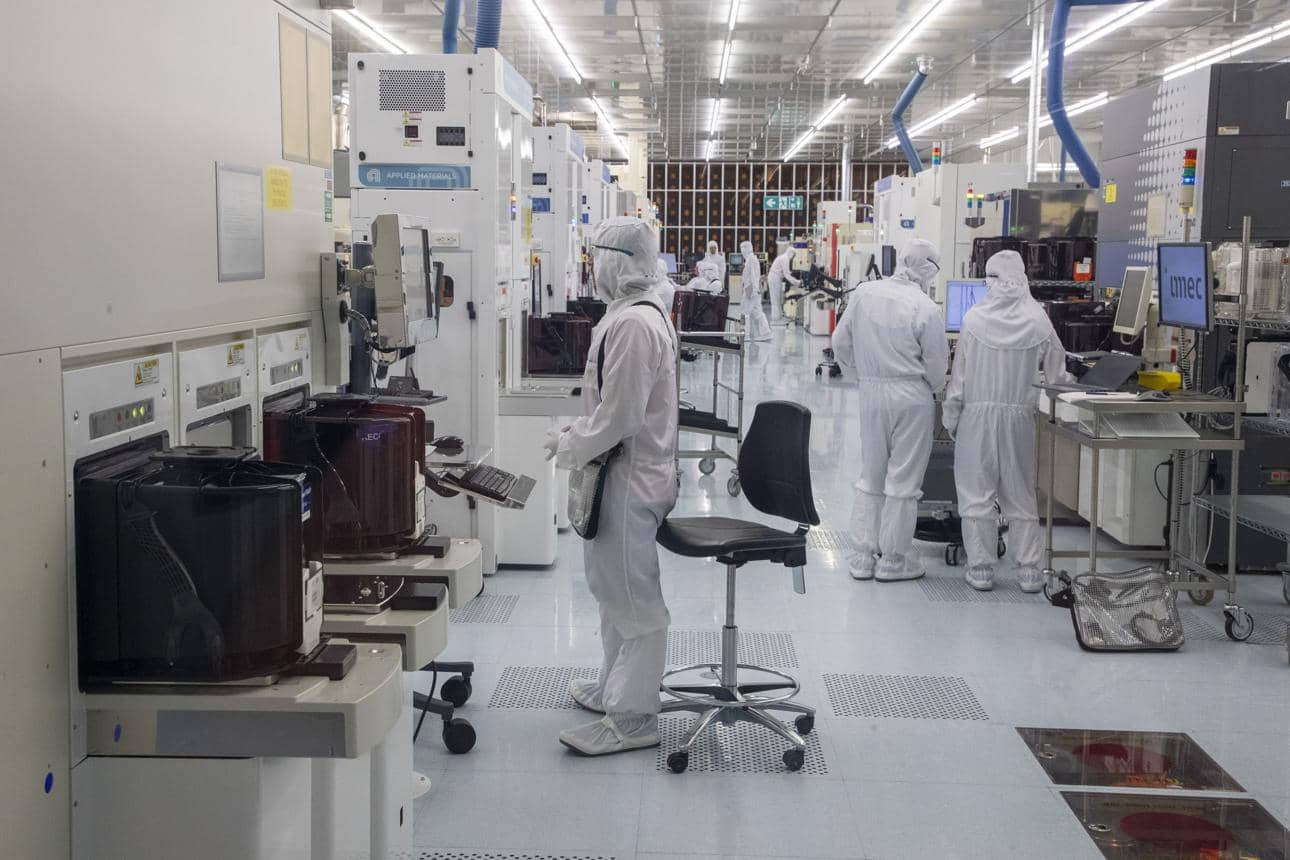
Manufacturing dominated. It accounted for 27 percent of all notified transactions, ahead of information and communication technologies at 19 percent, financial activities at 17 percent, wholesale and retail at 13 percent and professional activities at 8 percent. Manufacturing also made up 53 percent of in-depth cases, up from 50 percent in 2024, and ICT came second with almost a fifth, the same share as the year before. Foreign investment screening therefore concentrates its closest scrutiny on factories and technology firms.

Every member state has had a foreign investment screening framework in place since late 2025, which probably helps explain the jump, although the Commission does not say so. A higher count does not by itself mean a higher rate of blocked deals. The Commission’s summary lists no prohibitions, conditions or withdrawn transactions, and it gives no breakdown of investor or target countries, so the figures reveal little about where the capital comes from.

The bigger change is legal. The new Foreign Investment Screening Regulation was adopted on 17 June 2026 and applies from 17 January 2028. It replaces the FDI Screening Regulation that entered into force in October 2020, and the Commission says it will make foreign investment screening more effective and efficient for investors and member states. The published summary lists no further implementation steps beyond that application date.

For investors, the figures carry a practical message. A deal in manufacturing or technology that touches a member state with a screening framework may face a notification, a short first review and, in roughly one case in eight, a deeper look at security risks. Planning for that timeline, and for the 2028 rules, is now part of any cross-border transaction in the Union. Companies can consult the sixth annual report, COM(2026) 529, and its staff working document for country-level and sector detail that the news article does not provide.

The next test is the transition to 2028. If the new regulation delivers faster routines without weakening security checks, foreign investment screening could become a more predictable part of the single market. If notification volumes keep climbing at 40 percent a year, national authorities will need more staff before the new rules apply, and the 88 percent quick-closure rate will be the figure to watch.