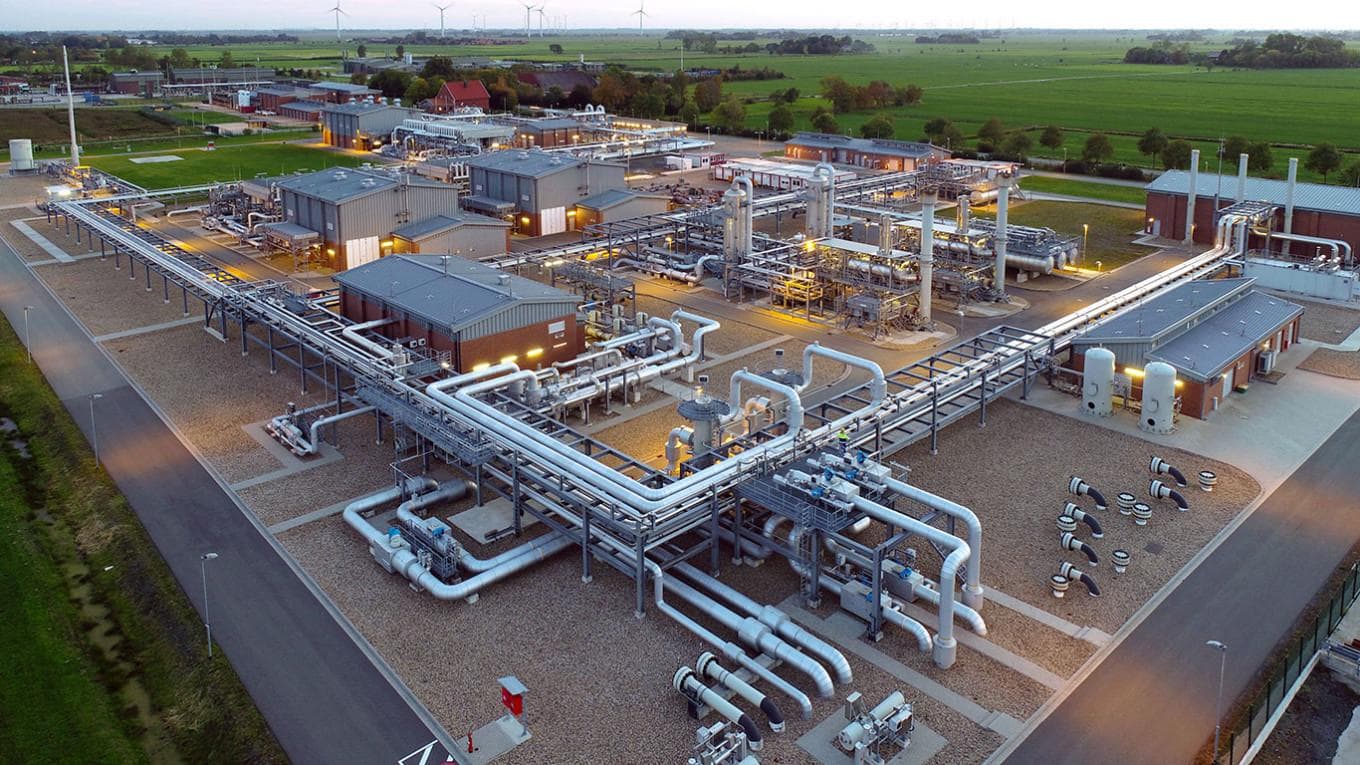
Baumgarten: Europe’s biggest gas hubs are filling their caverns this summer under a looser rulebook, after the European Union relaxed its flagship gas storage target to take the pressure off traders and governments before winter.
The bloc’s storage regulation, written in the panic of 2022, ordered member states to fill their reserves to 90% by the first of November each year. For the 2026 season, negotiators softened that figure to 80% and stretched the deadline, letting countries hit the mark any time between October and December.
Ministers argue the old target had become self-defeating. A hard November deadline told the market exactly when Europe had to buy, and suppliers priced the gas accordingly. Summer futures often traded above winter contracts, punishing the very buyers the rule was meant to protect.
The revised approach hands capitals more room to time their purchases. When prices spike or traders manipulate the market, governments can invoke extra flexibility and delay filling rather than chase gas at any cost. The Council also extended the reserve obligation by two years, keeping the safety net in place through 2027.
Analysts welcome the pragmatism but warn that a lower target carries risk. Storage covers roughly a quarter to a third of winter demand, and a cold snap or a fresh supply shock could expose thinner buffers. Traders following the amended storage file are watching how fast levels climb through August.
Europe now buys almost no Russian pipeline gas, leaning instead on liquefied cargoes from the United States and Qatar and on Norwegian flows. That shift steadies supply but ties European bills to a global market where Asian buyers compete for the same tankers.
The Commission plans a deeper review of the bloc’s energy security framework, weighing whether temporary storage rules should become permanent and how to share the cost of filling reserves across members with very different capacity. Countries such as Germany and the Netherlands host huge caverns; others store almost nothing and rely on their neighbours.
For households, the stakes are simple. Fuller tanks and calmer markets translate into steadier heating bills; empty tanks and a harsh winter do the opposite. The EU energy strategy now treats storage as one pillar of a wider push toward cheaper, home-grown power.
The next test arrives with the first frost. If reserves reach 80% comfortably and prices stay tame, the softer rule will look like a smart correction. If gas turns scarce, the debate over Europe’s winter readiness will reopen within weeks.