August 7, 2026
LATEST
Europe Freezes Its Retaliatory Tariffs on the US IndefinitelyAir Passenger Rights Get Their First Big Rewrite in 20 YearsFive Joint Defence Projects Win Brussels Backing and Shared CashTobacco Tax Overhaul Stalls as Governments Block UnanimityCritical Medicines Act Heads for Final Adoption This AutumnMoldova Accession Reaches Its Foreign-Policy ChapterMercosur Tariffs Fall as Europe’s Farmers Watch the GaugesWhy Europe’s Digital Fairness Act Worries Online RetailersErasmus+ Faces a Budget Fight Before Its 2028 RelaunchMedia Freedom Rules Turn One as Enforcement LagsPlatform Work Rules Push Member States Toward a December ReckoningSingle Ticket Plan Would Let One Booking Cover Europe by RailHungary Races an August Deadline to Unlock Its Recovery FundsCapitals Race a September Deadline to Restore NatureEuro-Zone Inflation Nudges Back Up as Energy Bills ClimbRed Bull Case Tests a New Frontier in EU AntitrustNew EU Packaging Rules Reach Shoppers as August Deadline HitsEvery EU Country Must Draft an Anti-Fraud Plan Under New RulesEurope Blacklists a North Korean General Over Russia’s WarChina’s Rare Earths Curbs Push Europe to Find New SourcesEurope Freezes Its Retaliatory Tariffs on the US IndefinitelyAir Passenger Rights Get Their First Big Rewrite in 20 YearsFive Joint Defence Projects Win Brussels Backing and Shared CashTobacco Tax Overhaul Stalls as Governments Block UnanimityCritical Medicines Act Heads for Final Adoption This AutumnMoldova Accession Reaches Its Foreign-Policy ChapterMercosur Tariffs Fall as Europe’s Farmers Watch the GaugesWhy Europe’s Digital Fairness Act Worries Online RetailersErasmus+ Faces a Budget Fight Before Its 2028 RelaunchMedia Freedom Rules Turn One as Enforcement LagsPlatform Work Rules Push Member States Toward a December ReckoningSingle Ticket Plan Would Let One Booking Cover Europe by RailHungary Races an August Deadline to Unlock Its Recovery FundsCapitals Race a September Deadline to Restore NatureEuro-Zone Inflation Nudges Back Up as Energy Bills ClimbRed Bull Case Tests a New Frontier in EU AntitrustNew EU Packaging Rules Reach Shoppers as August Deadline HitsEvery EU Country Must Draft an Anti-Fraud Plan Under New RulesEurope Blacklists a North Korean General Over Russia’s WarChina’s Rare Earths Curbs Push Europe to Find New Sources
August 7, 2026
LATEST
Europe Freezes Its Retaliatory Tariffs on the US IndefinitelyAir Passenger Rights Get Their First Big Rewrite in 20 YearsFive Joint Defence Projects Win Brussels Backing and Shared CashTobacco Tax Overhaul Stalls as Governments Block UnanimityCritical Medicines Act Heads for Final Adoption This AutumnMoldova Accession Reaches Its Foreign-Policy ChapterMercosur Tariffs Fall as Europe’s Farmers Watch the GaugesWhy Europe’s Digital Fairness Act Worries Online RetailersErasmus+ Faces a Budget Fight Before Its 2028 RelaunchMedia Freedom Rules Turn One as Enforcement LagsPlatform Work Rules Push Member States Toward a December ReckoningSingle Ticket Plan Would Let One Booking Cover Europe by RailHungary Races an August Deadline to Unlock Its Recovery FundsCapitals Race a September Deadline to Restore NatureEuro-Zone Inflation Nudges Back Up as Energy Bills ClimbRed Bull Case Tests a New Frontier in EU AntitrustNew EU Packaging Rules Reach Shoppers as August Deadline HitsEvery EU Country Must Draft an Anti-Fraud Plan Under New RulesEurope Blacklists a North Korean General Over Russia’s WarChina’s Rare Earths Curbs Push Europe to Find New SourcesEurope Freezes Its Retaliatory Tariffs on the US IndefinitelyAir Passenger Rights Get Their First Big Rewrite in 20 YearsFive Joint Defence Projects Win Brussels Backing and Shared CashTobacco Tax Overhaul Stalls as Governments Block UnanimityCritical Medicines Act Heads for Final Adoption This AutumnMoldova Accession Reaches Its Foreign-Policy ChapterMercosur Tariffs Fall as Europe’s Farmers Watch the GaugesWhy Europe’s Digital Fairness Act Worries Online RetailersErasmus+ Faces a Budget Fight Before Its 2028 RelaunchMedia Freedom Rules Turn One as Enforcement LagsPlatform Work Rules Push Member States Toward a December ReckoningSingle Ticket Plan Would Let One Booking Cover Europe by RailHungary Races an August Deadline to Unlock Its Recovery FundsCapitals Race a September Deadline to Restore NatureEuro-Zone Inflation Nudges Back Up as Energy Bills ClimbRed Bull Case Tests a New Frontier in EU AntitrustNew EU Packaging Rules Reach Shoppers as August Deadline HitsEvery EU Country Must Draft an Anti-Fraud Plan Under New RulesEurope Blacklists a North Korean General Over Russia’s WarChina’s Rare Earths Curbs Push Europe to Find New Sources

Germany Secures EU Clearance for Its Chip Subsidies

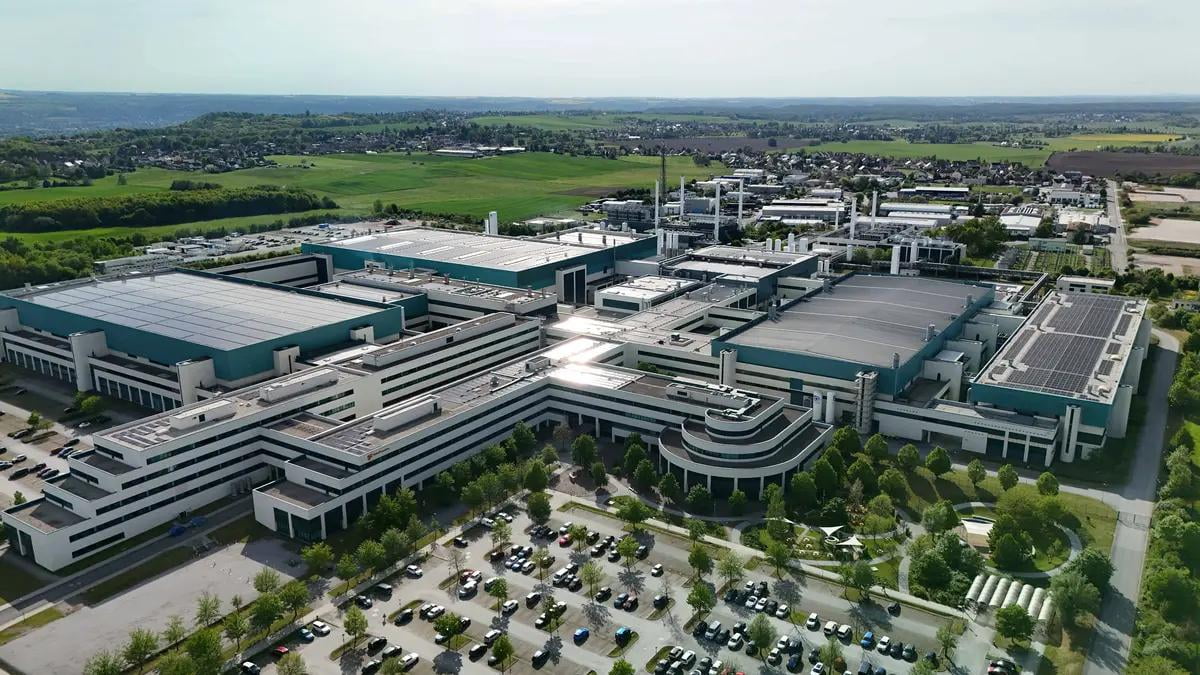
Dresden: The European Commission has cleared 659 million euros of German state aid for the semiconductor industry, giving Berlin the green light to bankroll four specialised plants that Brussels regulators judged unlikely to be built on private money alone.

The competition authority approved the package on 14 July after checking it against the Union’s state aid rulebook. The money will flow to four companies, Element 3-5, Vishay, KLA and KETEK, each building what officials call a first-of-a-kind facility somewhere along the chip supply chain, from raw materials to the inspection tools that keep production lines honest.

The chip subsidies fit a wider European push to claw back a share of an industry that Asia and the United States dominate. The Union wants to lift its slice of global semiconductor output and, just as urgently, to secure the specialist components that its car makers, defence firms and telecom networks cannot function without. Saxony, with this city at its heart, already hosts the continent’s densest cluster of fabrication plants.

State aid approval matters because the Union normally treats national subsidies with suspicion. Money handed to one company can distort competition and let richer governments outspend poorer ones, so the Commission polices such payments closely. In this case regulators concluded that each project fills a genuine gap, would not happen without public support, and keeps the subsidy to the minimum needed.

Officials also secured commitments meant to spread the benefit. The recipients must share some of the knowledge they generate with the wider research community, and they have agreed to claw-back terms that return part of the aid to the state if a plant turns out far more profitable than forecast. Those conditions aim to blunt the criticism that subsidy races simply funnel taxpayer money to shareholders.

Not everyone is reassured. Smaller member states have long complained that Germany’s deep pockets let it dominate the subsidy game, since Berlin can afford support that Athens or Lisbon cannot match. The Commission argues that its case-by-case scrutiny prevents the worst distortions, but the tension over who can afford to back their industries is unlikely to fade.

For the companies, clearance turns plans into building sites. Construction can now proceed on schedule, and the plants are expected to add high-skilled jobs to a region already reshaped by the chip boom. Whether four facilities meaningfully shift Europe’s dependence on imported semiconductors is a longer question that only the coming decade will answer.

The Commission lists its latest subsidy rulings on the state aid news page, and publishes the full decisions once confidential business details are removed. The German case now joins a growing file of chip-related approvals that mark how far industrial policy has returned to the heart of European economics.