August 7, 2026
LATEST
Europe Freezes Its Retaliatory Tariffs on the US IndefinitelyAir Passenger Rights Get Their First Big Rewrite in 20 YearsFive Joint Defence Projects Win Brussels Backing and Shared CashTobacco Tax Overhaul Stalls as Governments Block UnanimityCritical Medicines Act Heads for Final Adoption This AutumnMoldova Accession Reaches Its Foreign-Policy ChapterMercosur Tariffs Fall as Europe’s Farmers Watch the GaugesWhy Europe’s Digital Fairness Act Worries Online RetailersErasmus+ Faces a Budget Fight Before Its 2028 RelaunchMedia Freedom Rules Turn One as Enforcement LagsPlatform Work Rules Push Member States Toward a December ReckoningSingle Ticket Plan Would Let One Booking Cover Europe by RailHungary Races an August Deadline to Unlock Its Recovery FundsCapitals Race a September Deadline to Restore NatureEuro-Zone Inflation Nudges Back Up as Energy Bills ClimbRed Bull Case Tests a New Frontier in EU AntitrustNew EU Packaging Rules Reach Shoppers as August Deadline HitsEvery EU Country Must Draft an Anti-Fraud Plan Under New RulesEurope Blacklists a North Korean General Over Russia’s WarChina’s Rare Earths Curbs Push Europe to Find New SourcesEurope Freezes Its Retaliatory Tariffs on the US IndefinitelyAir Passenger Rights Get Their First Big Rewrite in 20 YearsFive Joint Defence Projects Win Brussels Backing and Shared CashTobacco Tax Overhaul Stalls as Governments Block UnanimityCritical Medicines Act Heads for Final Adoption This AutumnMoldova Accession Reaches Its Foreign-Policy ChapterMercosur Tariffs Fall as Europe’s Farmers Watch the GaugesWhy Europe’s Digital Fairness Act Worries Online RetailersErasmus+ Faces a Budget Fight Before Its 2028 RelaunchMedia Freedom Rules Turn One as Enforcement LagsPlatform Work Rules Push Member States Toward a December ReckoningSingle Ticket Plan Would Let One Booking Cover Europe by RailHungary Races an August Deadline to Unlock Its Recovery FundsCapitals Race a September Deadline to Restore NatureEuro-Zone Inflation Nudges Back Up as Energy Bills ClimbRed Bull Case Tests a New Frontier in EU AntitrustNew EU Packaging Rules Reach Shoppers as August Deadline HitsEvery EU Country Must Draft an Anti-Fraud Plan Under New RulesEurope Blacklists a North Korean General Over Russia’s WarChina’s Rare Earths Curbs Push Europe to Find New Sources
August 7, 2026
LATEST
Europe Freezes Its Retaliatory Tariffs on the US IndefinitelyAir Passenger Rights Get Their First Big Rewrite in 20 YearsFive Joint Defence Projects Win Brussels Backing and Shared CashTobacco Tax Overhaul Stalls as Governments Block UnanimityCritical Medicines Act Heads for Final Adoption This AutumnMoldova Accession Reaches Its Foreign-Policy ChapterMercosur Tariffs Fall as Europe’s Farmers Watch the GaugesWhy Europe’s Digital Fairness Act Worries Online RetailersErasmus+ Faces a Budget Fight Before Its 2028 RelaunchMedia Freedom Rules Turn One as Enforcement LagsPlatform Work Rules Push Member States Toward a December ReckoningSingle Ticket Plan Would Let One Booking Cover Europe by RailHungary Races an August Deadline to Unlock Its Recovery FundsCapitals Race a September Deadline to Restore NatureEuro-Zone Inflation Nudges Back Up as Energy Bills ClimbRed Bull Case Tests a New Frontier in EU AntitrustNew EU Packaging Rules Reach Shoppers as August Deadline HitsEvery EU Country Must Draft an Anti-Fraud Plan Under New RulesEurope Blacklists a North Korean General Over Russia’s WarChina’s Rare Earths Curbs Push Europe to Find New SourcesEurope Freezes Its Retaliatory Tariffs on the US IndefinitelyAir Passenger Rights Get Their First Big Rewrite in 20 YearsFive Joint Defence Projects Win Brussels Backing and Shared CashTobacco Tax Overhaul Stalls as Governments Block UnanimityCritical Medicines Act Heads for Final Adoption This AutumnMoldova Accession Reaches Its Foreign-Policy ChapterMercosur Tariffs Fall as Europe’s Farmers Watch the GaugesWhy Europe’s Digital Fairness Act Worries Online RetailersErasmus+ Faces a Budget Fight Before Its 2028 RelaunchMedia Freedom Rules Turn One as Enforcement LagsPlatform Work Rules Push Member States Toward a December ReckoningSingle Ticket Plan Would Let One Booking Cover Europe by RailHungary Races an August Deadline to Unlock Its Recovery FundsCapitals Race a September Deadline to Restore NatureEuro-Zone Inflation Nudges Back Up as Energy Bills ClimbRed Bull Case Tests a New Frontier in EU AntitrustNew EU Packaging Rules Reach Shoppers as August Deadline HitsEvery EU Country Must Draft an Anti-Fraud Plan Under New RulesEurope Blacklists a North Korean General Over Russia’s WarChina’s Rare Earths Curbs Push Europe to Find New Sources

Judges Let Regulators Seize Company Emails Without a Warrant

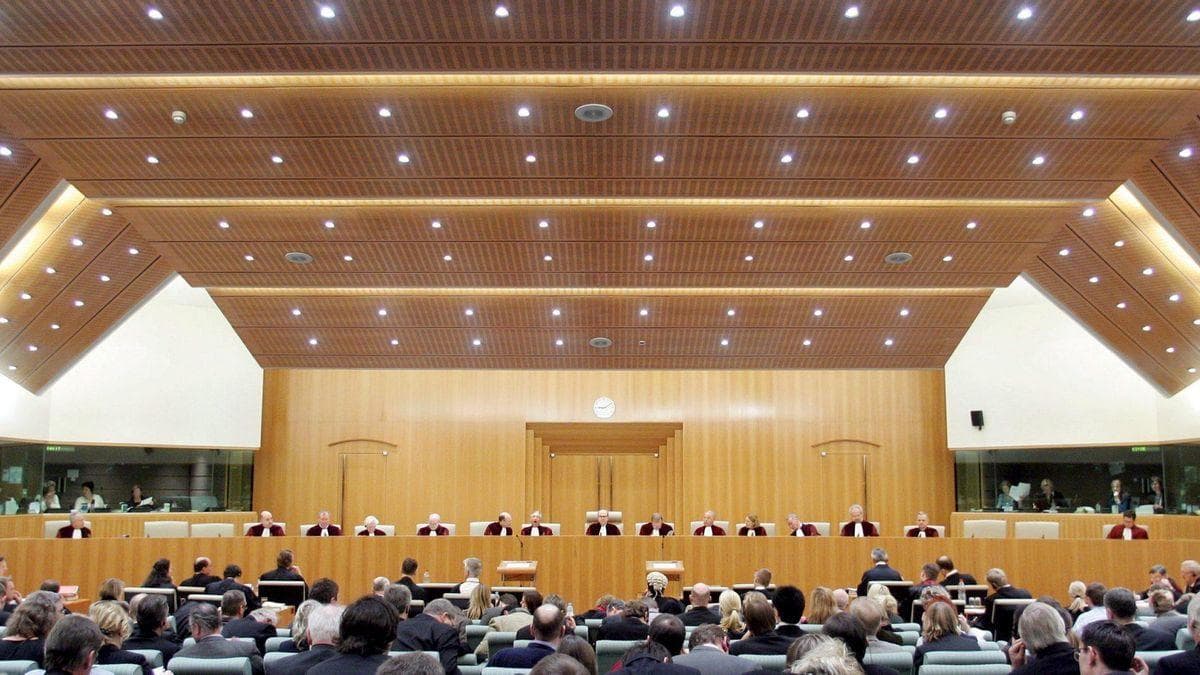
Vienna: Europe’s top court has ruled that competition regulators may grab business emails during raids without a judge’s prior sign-off, a decision on email seizure that redraws the line between enforcement power and privacy on company servers.

In a judgment handed down on 16 July, the Court of Justice of the European Union held that EU law does not, as a rule, stop a national competition authority from seizing business emails stored on a firm’s systems without prior court authorisation. The catch is that strict safeguards and effective review after the fact must be in place.

Crucially, the court confirmed that business emails exchanged through a company’s system count as communications protected by Article 7 of the Charter of Fundamental Rights, even when their content is purely professional. That finding matters: it means regulators are touching a protected sphere, not rummaging through neutral corporate paperwork.

The reasoning threads a careful needle. Competition enforcers rely on surprise dawn raids to catch cartels before evidence disappears, and a requirement for prior judicial warrants could blunt that tool. Yet the emails caught in such sweeps enjoy charter protection, so the court insisted on guardrails rather than a free hand.

Those guardrails centre on review after the event. Firms whose messages regulators seize must be able to challenge the grab before a court that can examine whether the intrusion was necessary and proportionate. In effect, the judges swapped upfront authorisation for robust after-the-fact scrutiny, provided national law supplies it.

For companies, the ruling on email seizure cuts both ways. It confirms that their internal communications sit within the charter’s protective reach, a point privacy lawyers will press in future disputes. At the same time, it hands regulators clarity that their raid powers survive, so long as national systems build in the required checks.

The decision lands amid a wider European argument about how far state authorities may reach into digital records. From competition raids to criminal probes, courts across the bloc keep wrestling with the same question of when officials may open private messages and under what oversight. This judgment adds a marker on the enforcement side of that debate.

National competition authorities will study the ruling closely, since it validates a practice several already use while warning that sloppy procedure invites legal challenge. Authorities in states without strong post-seizure review may need to tighten their rules to keep their raids on solid ground.

The court’s press service publishes summaries of such rulings on its press page, and this one will feature in compliance briefings for months. Firms are already being told to expect regulators to reach for email archives during inspections and to prepare their legal responses in advance.

The broader lesson is that fundamental rights and enforcement power can coexist, but only when the procedure carries its weight. Where review after the fact is weak, the court signalled, the balance it struck could tip the other way.