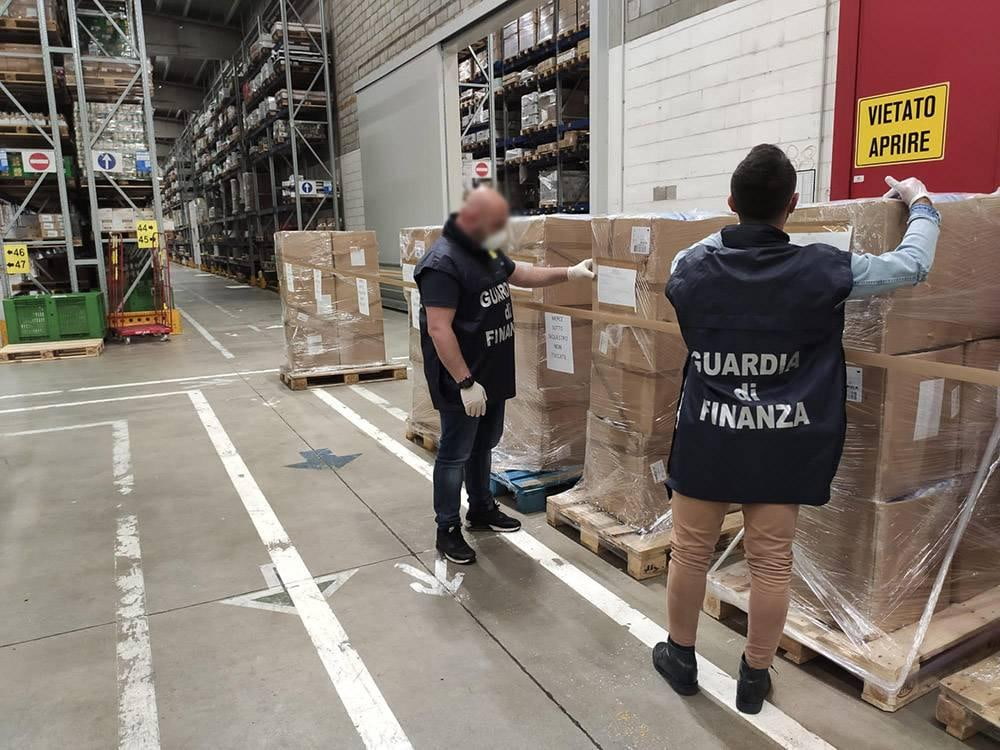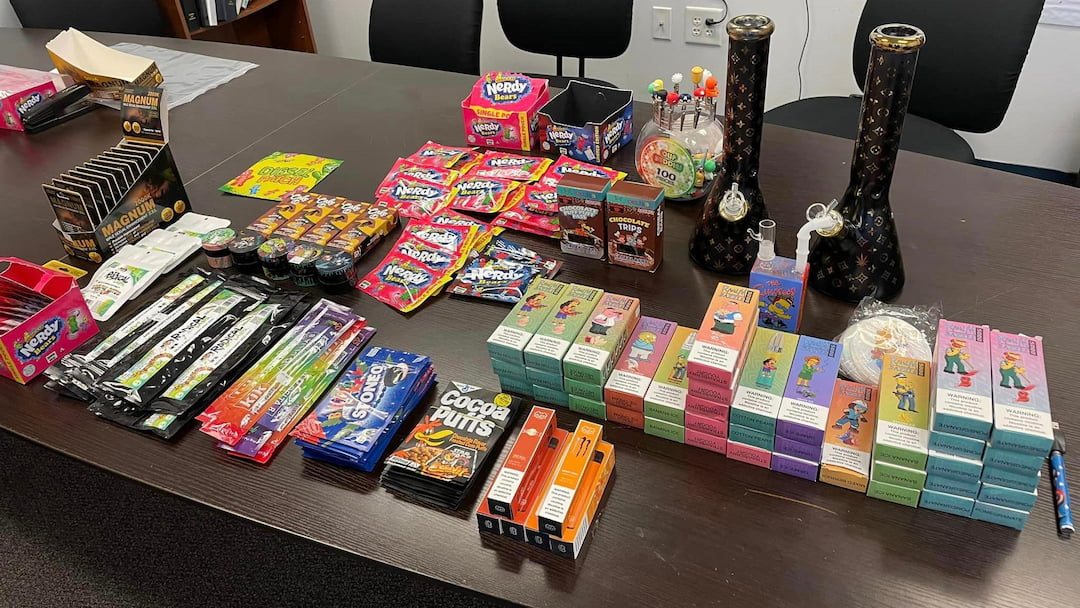
Marseille: The European Anti-Fraud Office has disrupted a trade in counterfeit gummies that hid THC, the psychoactive compound in cannabis, inside packs copied from a well-known European sweets brand, OLAF announced on 29 October 2026 in press release 19/2026. Investigators traced two consignments sent from the United States to the Netherlands, and French Customs flagged them to support the enquiry.
The consignments held 3,560 packs, and 3,213 of them copied the brand’s look with altered lettering. The release headline says more than 3,560 packs were seized, while the body gives 3,560 as the consignment total, a small inconsistency in the source. All the seized counterfeit gummies were destroyed.
The case reaches beyond the two shipments. OLAF identified several online vendors, together with websites and physical retail outlets in France that offered illicit psychoactive or narcotic products, and it passed that intelligence to the competent French authorities. The brand’s rights-holder then took action against sellers on the basis of the OLAF intelligence.
The release names neither the brand nor the French authority that received the file, and it gives no euro value for the goods. It also does not say when the seizure took place, whether any prosecutions followed, or how THC content and legality were assessed. Those gaps limit what can be said about the scale of the network behind the counterfeit gummies.
OLAF Director-General Petr Klement said: “Counterfeit goods of this nature do not only deceive consumers and harm legitimate businesses.” The danger lies in the look-alike packaging, because a buyer who trusts a familiar wrapper cannot see what is inside. Spokesperson Pierluigi Caterino is named as the media contact.
The pattern is typical of OLAF work: a customs flag, a joint enquiry, then intelligence handed to national authorities that hold the enforcement powers. A separate OLAF release of 21 October announced stronger cooperation with the Anti-Money Laundering Authority, which shows the office also following the money behind illicit trade.
For legitimate confectionery brands, the case shows that counterfeit gummies can damage reputation as well as sales. For consumers, it is a reminder that online and corner-shop sellers of unusual edibles may not be what the packaging claims. The legal status of THC products may differ between member states, so cross-border enforcement depends on tip-offs like this one.
The next steps now sit with French and Dutch authorities and with the rights-holder. Until prosecutions or further seizures are reported, the OLAF counterfeit gummies case stands as a warning that cannabis-derived edibles are entering the single market disguised as ordinary sweets.