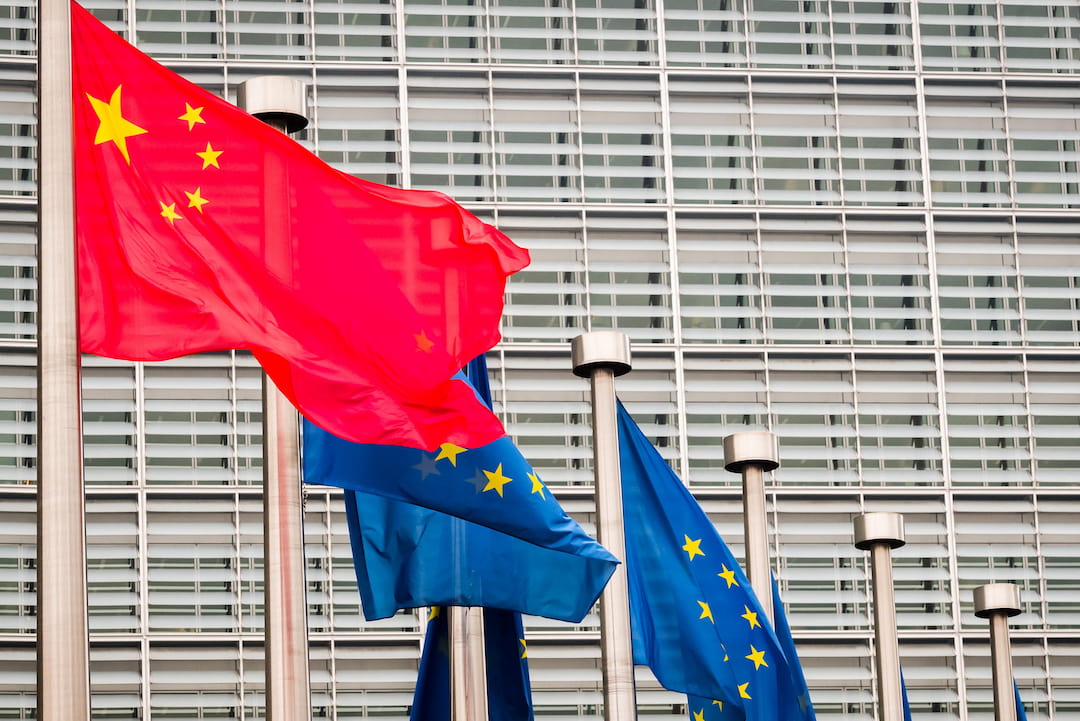
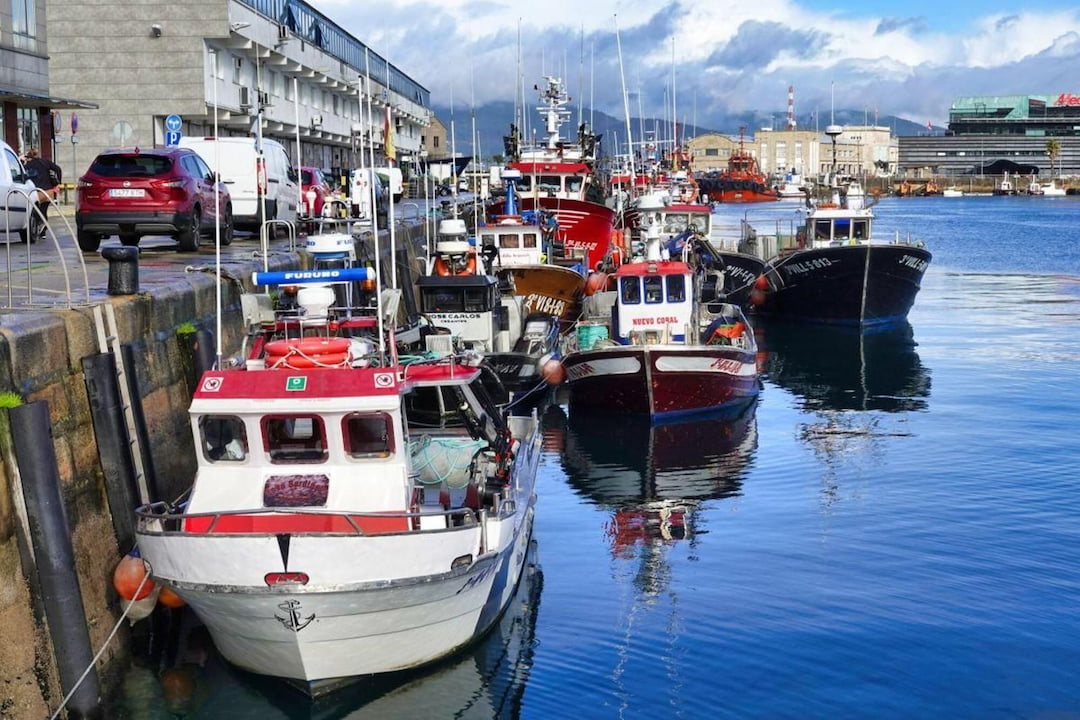
Gdańsk: The Connecting Europe Facility call for transport projects worth €1.1 billion closed on 6 October 2026, and the real work now moves to evaluators. Applicants from rail operators to port authorities sent bids to the European Climate, Infrastructure and Environment Executive Agency (CINEA), which runs the call for the Commission. The Connecting Europe Facility is the Union’s main grant tool for the trans-European transport network.
The call covers a wide menu. Eligible projects include railway lines on the core trans-European transport network, inland waterways, road haulage charging infrastructure, airports, electricity supply in maritime and inland ports, infrastructure at the Union’s external borders, road transport digitalisation and military mobility. All of them must help complete or modernise the network under the revised TEN-T Regulation.
Neighbours can compete too. Moldova and Ukraine are associated with the programme, so projects can sit in a member state, in Ukraine or in Moldova, and applicants can come from any of those countries. That opening matters for freight corridors and border crossings that link the Union to its eastern partners. The €1.1 billion in this round is only a slice of the €25.8 billion that the Connecting Europe Facility holds for transport over 2021 to 2027.
Timing is clear on paper. Evaluation results are expected within six months of the 6 October deadline, which points to spring 2027, and grant agreements should follow within nine months, which points to mid-2027. CINEA held an online information session for applicants on 24 June 2026 to explain the rules before the call closed.
Applicants face a hard test, because the funding is small compared with the needs. Rail projects on the core network often cost far more than a single grant covers, so promoters combine Connecting Europe Facility money with national budgets and loans. Mature projects that close cross-border gaps look best placed to succeed. Neither CINEA nor the Commission has published the number of applications or the amount requested. Without those figures, observers cannot yet judge how oversubscribed the round was, or how many worthwhile proposals will go unfunded when the grant money runs out.
What to watch is the selection list. When the Commission announces it, the split between rail, ports, military mobility and the neighbours will show where the Connecting Europe Facility puts its priority as the 2021 to 2027 budget period nears its end. Promoters in Gdańsk and other port cities will read it closely, because the Connecting Europe Facility decides which links get built first.