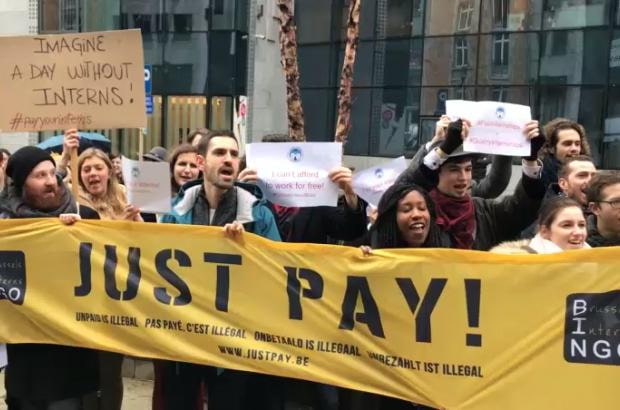
Zagreb: A graduate starting an unpaid six-month placement in a Croatian marketing agency this autumn will finish it before European legislators settle whether such arrangements should exist. The traineeships directive has been in trilogue for over a year, and the negotiators have produced almost nothing.
The Commission proposed the measure in March 2024, pairing a directive on enforcement with a revised Council recommendation on quality standards. The directive targets a narrow but stubborn problem: employers who label a job a traineeship to avoid paying for it. It would give national authorities tools to reclassify disguised employment and require member states to publish data on placement conditions.
The Council adopted its general approach in June 2025 by qualified majority, and that majority was thin. Several capitals worried the directive would disturb dual-education systems and apprenticeship models that function well domestically. Parliament arrived with a broader text, defining a traineeship as entry-level work of limited duration and pressing for scope that covers placements attached to academic curricula.
Scope is where the file has jammed. Parliament wants the directive to reach the placements most students actually take, which are often the ones tied to a degree programme and therefore excluded from labour law in many member states. Governments want the opposite boundary, arguing that education ministries rather than Brussels should govern anything a university signs off.
The procedural record tells the story. The Cyprus presidency postponed the third trilogue from March to May, then set a further discussion for June. Trade unions read the pattern as drift. The European Trade Union Confederation has warned publicly that without a concrete Council commitment the file will simply be forgotten, which is how contested social directives usually die.
Each institution blames the other. Parliament negotiators say the Council brings no mandate to move. Council officials say Parliament’s amendments exceed what the fragile June 2025 majority can absorb. Observers point at the Commission too, arguing it has not played the broker role that unblocks trilogues, and at a presidency content to let the deadlock stand.
The underlying numbers have not changed since the Commission drafted its impact assessment. Roughly half of all traineeships in the Union are unpaid, and the share is highest in the countries where youth unemployment is highest. That combination pushes young people toward whichever placement they can afford to take, which tends to mean the ones their families can subsidise.
Time now works against the file. A directive agreed in 2027 would carry a two-year transposition period, putting real national rules somewhere near 2029. Two full cohorts of graduates will pass through the system first. Legislators can still salvage the text, but they will have to decide something about scope, and neither institution has shown much appetite for going first.