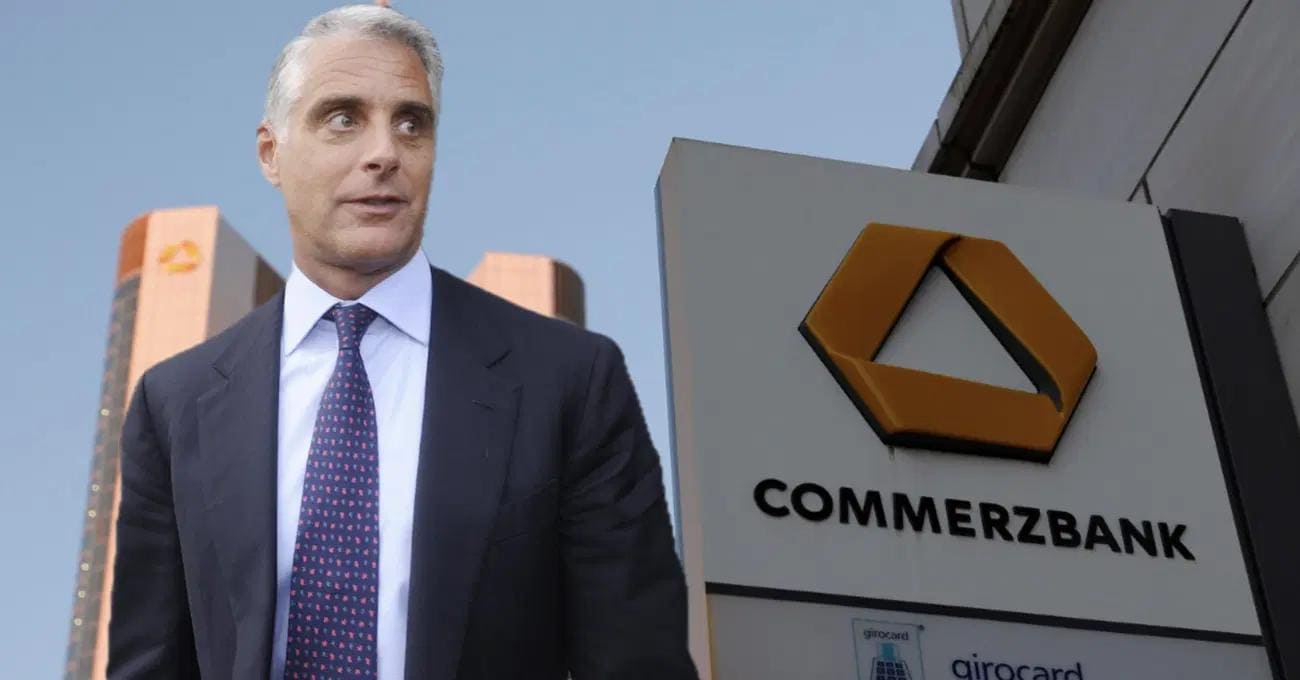
Milan: The European Commission cleared the UniCredit Commerzbank takeover without conditions on 16 November 2026, removing a major regulatory hurdle for the Milan-based lender. Executive Vice-President Teresa Ribera called it “probably the biggest cross-border banking deal we have had since the financial crisis.”
The Commission found no competition concerns in the European Economic Area. Its investigation showed that German businesses, including small firms, would still have plenty of alternatives among private, public, cooperative and international banks. The combined market shares stay modest in most areas, with international trade finance as the main exception.
Ribera also drew a line around the decision. She said the approval is “not a green light for every single merger in the banking sector.” The Commission is preparing new merger guidelines, which it expects to publish before the end of 2026, and banking consolidation will be one of the tests for them.
The UniCredit Commerzbank takeover brings together the second-largest banks in Italy and Germany. Commerzbank serves more than 11 million customers in Germany, which makes the deal politically sensitive in Berlin.
In Milan, the UniCredit Commerzbank takeover marks the payoff of a two-year campaign led by chief executive Andrea Orcel. Investors there see the Commission’s decision as proof that a large Italian bank can expand into the biggest economy in the euro area without giving up assets to win approval.
The bid has a long history. UniCredit surprised markets with a stake in Commerzbank in September 2024 and launched an exchange offer in March 2026. When the additional acceptance period closed on 3 July 2026, holders had tendered 17.6% of shares. Commerzbank says ordinary investors accounted for only 2.7% of that.
Other regulators have also moved. The European Central Bank allowed UniCredit to cross the 30% threshold, a decision announced on 15 October. The US Federal Reserve announced its approval on 16 November, the same day as the Commission. Polish approval is still pending, so the UniCredit Commerzbank takeover still has one national clearance to secure.
Control remains a delicate question. UniCredit will hold close to 50% of voting rights, yet any major structural change needs 75%. The German government still owns about 13% of Commerzbank, and Berlin, the bank’s management and its Supervisory Board have all opposed the bid.
Ribera framed the case as part of a wider argument about a fragmented banking market. She cited an estimate that removing liquidity limits on cross-border bank subsidiaries could release about €230 billion for lending and investment across the EU.
For competition lawyers, the UniCredit Commerzbank takeover now serves as a reference point. It shows that the Commission will not block large cross-border bank deals on market-share grounds alone, while leaving room for tougher scrutiny of future mergers under the new guidelines.