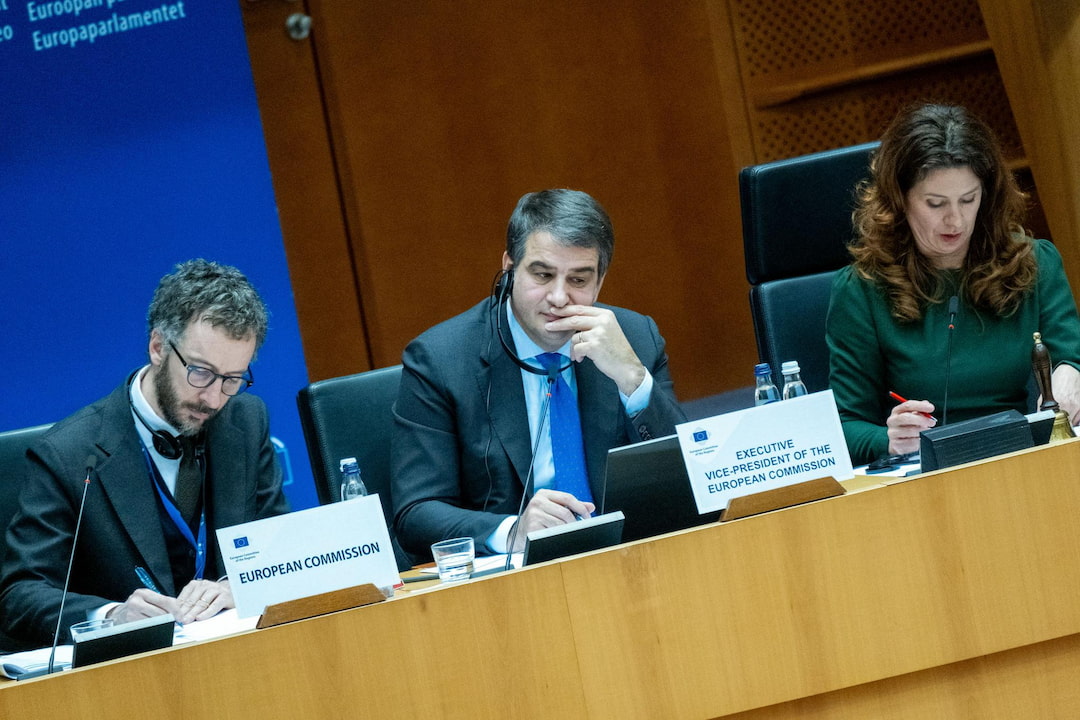
Helsinki: The European Commission sent a Statement of Objections to UPM and Sappi on 26 August 2026 over their proposed UPM Sappi joint venture, opening a formal Phase II concern in a merger review that is still running. The Commission has not announced a final decision, and the reporting reviewed for this article gives no fines or figures because a merger review blocks or clears a deal rather than punishing a past breach.
A Statement of Objections in a merger case sets out the Commission’s preliminary view that a transaction could significantly impede effective competition. It gives the companies a chance to reply in writing and at a hearing before the Commission decides. Phase II investigations normally run for 90 working days, and the clock can stretch when parties offer remedies or when the Commission asks for more information.
The UPM Sappi joint venture is described in the source as a proposed industrial joint venture. Details such as the products involved, the market shares and the proposed remedies are not stated in the material reviewed, so analysts will look to the Commission’s case page for the full reasoning. The step still tells the industry that Brussels has doubts serious enough to move beyond an early clearance.
The case comes while the Commission rewrites its approach to mergers. Draft revised EU Merger Guidelines appeared in April 2026, and on 24 August the Commission published an economic study on the dynamic effects of mergers as part of the review. The study looks at how deals affect investment and innovation over time, which matters when companies argue that combining forces will make them stronger against global rivals.
The same month, on 21 August, the Commission closed its antitrust investigation into Pratt & Whitney over turboprop engines after the company removed aftermarket restrictions, without adopting an infringement decision. The two cases show different tools. One ends with commitments and no finding, while the other tests a deal before it happens.
For UPM, Sappi and their customers, the practical questions are timing and conditions. If the parties offer remedies, the Commission will test them with competitors and customers before accepting. If they do not, the Commission can prohibit the UPM Sappi joint venture or clear it only with conditions.
The coming weeks will show how the companies respond to the Statement of Objections. Until the Commission publishes its decision, the UPM Sappi joint venture stays on hold, and the outcome will be a data point for how Brussels applies its new merger thinking.