November 7, 2026
LATEST
Teacher Shortages Put The EU Teachers Agenda To The TestKingspan Fine And KKR Charge Put EU Merger Control To WorkMEPs Near First Vote On EU Space Act In Parliament Industry CommitteeMercosur Safeguard Rules Let EU Curb Surges In Car And Goods ImportsMontenegro And Albania Receive EU Accession Roadmaps From CommissionHelsinki Presses Washington Over Paid-For Patriot InterceptorsMeloni Letter Exposes The EU Single Voice Problem On UkraineEmissions Trading Link Defines The EU-UK Summit Agenda For 20 NovemberAddis Ababa Talks Test The EU-African Union Partnership PlanDark Patterns Face Reform As Digital Fairness Act NearsLong-Term EU Budget Talks Face A December DeadlineReturn Hubs Plan Reshapes EU Deportation Rules After DealFishing Sector Gets Vision 2040 Fisheries Strategy With €2bn FloorNominations Open For The Next European Research Council PresidentInvestFrontier Launch Pulls Private Capital Into Humanitarian AidYoung Farmers Targeted By 10 Share In Post-2027 CAP PlanCOP17 Biodiversity Deal Leaves Nature Finance Gap OpenParliament Backs High-Speed Rail Network Linking CapitalsEnergy And Tyre Labelling Gets Simpler Rules In Council MandateEU Defence Readiness Goal For 2030 Slips Despite €418 Billion OutlayTeacher Shortages Put The EU Teachers Agenda To The TestKingspan Fine And KKR Charge Put EU Merger Control To WorkMEPs Near First Vote On EU Space Act In Parliament Industry CommitteeMercosur Safeguard Rules Let EU Curb Surges In Car And Goods ImportsMontenegro And Albania Receive EU Accession Roadmaps From CommissionHelsinki Presses Washington Over Paid-For Patriot InterceptorsMeloni Letter Exposes The EU Single Voice Problem On UkraineEmissions Trading Link Defines The EU-UK Summit Agenda For 20 NovemberAddis Ababa Talks Test The EU-African Union Partnership PlanDark Patterns Face Reform As Digital Fairness Act NearsLong-Term EU Budget Talks Face A December DeadlineReturn Hubs Plan Reshapes EU Deportation Rules After DealFishing Sector Gets Vision 2040 Fisheries Strategy With €2bn FloorNominations Open For The Next European Research Council PresidentInvestFrontier Launch Pulls Private Capital Into Humanitarian AidYoung Farmers Targeted By 10 Share In Post-2027 CAP PlanCOP17 Biodiversity Deal Leaves Nature Finance Gap OpenParliament Backs High-Speed Rail Network Linking CapitalsEnergy And Tyre Labelling Gets Simpler Rules In Council MandateEU Defence Readiness Goal For 2030 Slips Despite €418 Billion Outlay

21st Sanctions Package Squeezes Shadow Fleet and Russian LNG

The 21st sanctions package, adopted by the Council on 23 July 2026, is the most extensive restrictive measure the European Union has aimed at Russia’s energy exports and financial plumbing this year. With several of its provisions now taking effect and a review of liquefied natural gas tanker rules due after October 2026, the package is entering the phase where enforcement matters more than headlines.

The Commission proposed the text on 9 June 2026, and the Council adopted it together with parallel amendments covering Belarus. Asset-freeze provisions applied from 23 July, while the sectoral amendments followed a day later. The speed between proposal and adoption, roughly six weeks, shows how routine package-building has become, even as each round has to find new targets.

What the 21st sanctions package bans

The listings are large. The measures designate 48 individuals and 170 entities across Russia and Belarus, and 94 of those are Russian banks and financial institutions. Six entities in China, Oman, India, Singapore and the United Arab Emirates were named for trading Russian petroleum products or supporting shadow fleet vessels.

Beyond the listings, the 21st sanctions package adds 55 entities to the list of those facing dual-use export restrictions. Twenty-seven of them are based in China, Hong Kong, India, Kazakhstan, Kyrgyzstan, Türkiye and the United Arab Emirates, which confirms that circumvention networks, not Russian firms alone, are the main concern.

How the shadow fleet rules widen

Under the 21st sanctions package, 41 vessels were added to the list subject to port access and services bans. The legal grounds were also broadened, so that vessels providing bunkering or tug services to designated ships, or carrying out ship-to-ship transfers with them, can now be listed themselves. That closes a gap that allowed support vessels to keep the trade moving.

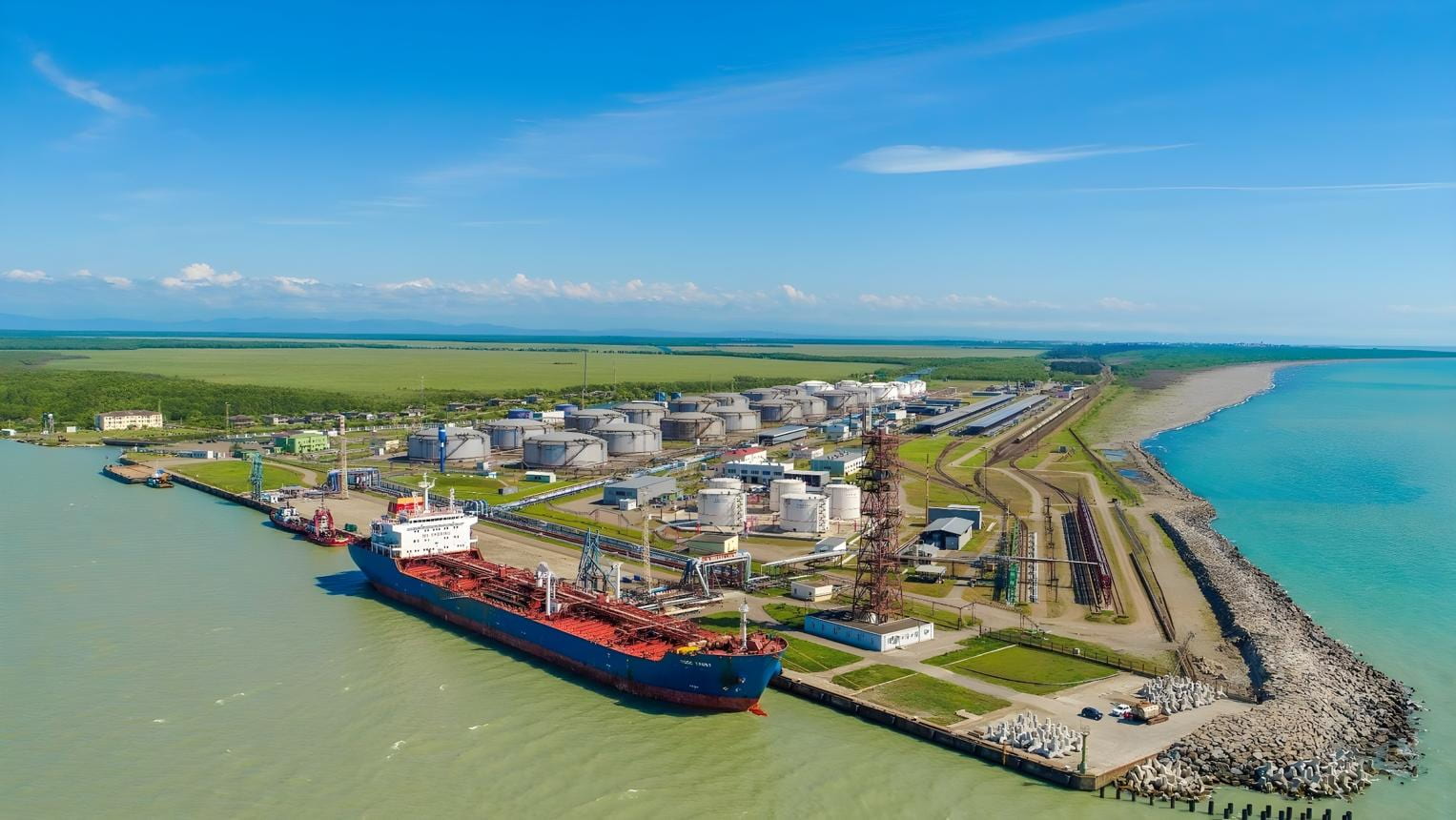
The listing criteria for refineries were extended as well. Refineries in Russia and in other countries that process Russian crude can now be targeted. Its first visible consequence is a transaction ban on the Kulevi Oil Refinery in Georgia, effective 25 January 2027, unless it stops using Russian crude within six months. The oil price cap is frozen until 14 July 2027.

Banks, crypto providers and payment channels

Banking restrictions in the 21st sanctions package apply from 13 August 2026 to 33 Russian banks, one bank in Kyrgyzstan, six banks in Mongolia, India and Nigeria, and five oil traders in the United Arab Emirates. Eleven crypto-asset service providers face a similar ban from 23 August 2026.

From 25 August 2026, the prohibition on Russian and Belarusian nationals owning or controlling crypto providers in the Union covers every provider authorised under the Markets in Crypto-Assets Regulation. A new legal basis also allows transaction bans on third-country crypto providers, although the text reviewed for this article reports no third country targeted so far.

What changes for Russian LNG

The liquefied natural gas provisions are more cautious than the oil measures. Operators must now notify authorities of transfers of ownership of LNG tankers to third countries, and the Union will assess after October 2026 whether stricter rules, similar to those for oil tankers, are needed. Exemptions remain for Russian gas from the Sakhalin-2 project supplied to Japan and South Korea until 31 March 2028, and for deliveries to third countries under long-term contracts signed before 24 February 2022, capped at 2025 volumes.

From 1 January 2027, the ban on LNG terminal services will extend to non-EU entities owned or controlled by Russian citizens or entities. Hungary also retained a narrow exemption for certain hydrocarbons, extended to 31 December 2026.

What happens next

Three tests will decide whether the 21st sanctions package bites. The first is the October review of LNG tanker transfers, which should show whether the notification duty is enough. The second is third-country cooperation, because most new listings sit outside Russia. The third is the Georgian refinery deadline in January 2027, a rare case where a partner country faces a clear choice between Russian crude and access to EU transactions.

Figures in this article follow law-firm summaries of the Council acts and should be checked against the Official Journal texts before use in compliance work. For businesses, the practical message of the 21st sanctions package is that exposure now runs through ports, refineries and payment providers well beyond Russia’s borders.