August 7, 2026
LATEST
Europe Freezes Its Retaliatory Tariffs on the US IndefinitelyAir Passenger Rights Get Their First Big Rewrite in 20 YearsFive Joint Defence Projects Win Brussels Backing and Shared CashTobacco Tax Overhaul Stalls as Governments Block UnanimityCritical Medicines Act Heads for Final Adoption This AutumnMoldova Accession Reaches Its Foreign-Policy ChapterMercosur Tariffs Fall as Europe’s Farmers Watch the GaugesWhy Europe’s Digital Fairness Act Worries Online RetailersErasmus+ Faces a Budget Fight Before Its 2028 RelaunchMedia Freedom Rules Turn One as Enforcement LagsPlatform Work Rules Push Member States Toward a December ReckoningSingle Ticket Plan Would Let One Booking Cover Europe by RailHungary Races an August Deadline to Unlock Its Recovery FundsCapitals Race a September Deadline to Restore NatureEuro-Zone Inflation Nudges Back Up as Energy Bills ClimbRed Bull Case Tests a New Frontier in EU AntitrustNew EU Packaging Rules Reach Shoppers as August Deadline HitsEvery EU Country Must Draft an Anti-Fraud Plan Under New RulesEurope Blacklists a North Korean General Over Russia’s WarChina’s Rare Earths Curbs Push Europe to Find New SourcesEurope Freezes Its Retaliatory Tariffs on the US IndefinitelyAir Passenger Rights Get Their First Big Rewrite in 20 YearsFive Joint Defence Projects Win Brussels Backing and Shared CashTobacco Tax Overhaul Stalls as Governments Block UnanimityCritical Medicines Act Heads for Final Adoption This AutumnMoldova Accession Reaches Its Foreign-Policy ChapterMercosur Tariffs Fall as Europe’s Farmers Watch the GaugesWhy Europe’s Digital Fairness Act Worries Online RetailersErasmus+ Faces a Budget Fight Before Its 2028 RelaunchMedia Freedom Rules Turn One as Enforcement LagsPlatform Work Rules Push Member States Toward a December ReckoningSingle Ticket Plan Would Let One Booking Cover Europe by RailHungary Races an August Deadline to Unlock Its Recovery FundsCapitals Race a September Deadline to Restore NatureEuro-Zone Inflation Nudges Back Up as Energy Bills ClimbRed Bull Case Tests a New Frontier in EU AntitrustNew EU Packaging Rules Reach Shoppers as August Deadline HitsEvery EU Country Must Draft an Anti-Fraud Plan Under New RulesEurope Blacklists a North Korean General Over Russia’s WarChina’s Rare Earths Curbs Push Europe to Find New Sources
August 7, 2026
LATEST
Europe Freezes Its Retaliatory Tariffs on the US IndefinitelyAir Passenger Rights Get Their First Big Rewrite in 20 YearsFive Joint Defence Projects Win Brussels Backing and Shared CashTobacco Tax Overhaul Stalls as Governments Block UnanimityCritical Medicines Act Heads for Final Adoption This AutumnMoldova Accession Reaches Its Foreign-Policy ChapterMercosur Tariffs Fall as Europe’s Farmers Watch the GaugesWhy Europe’s Digital Fairness Act Worries Online RetailersErasmus+ Faces a Budget Fight Before Its 2028 RelaunchMedia Freedom Rules Turn One as Enforcement LagsPlatform Work Rules Push Member States Toward a December ReckoningSingle Ticket Plan Would Let One Booking Cover Europe by RailHungary Races an August Deadline to Unlock Its Recovery FundsCapitals Race a September Deadline to Restore NatureEuro-Zone Inflation Nudges Back Up as Energy Bills ClimbRed Bull Case Tests a New Frontier in EU AntitrustNew EU Packaging Rules Reach Shoppers as August Deadline HitsEvery EU Country Must Draft an Anti-Fraud Plan Under New RulesEurope Blacklists a North Korean General Over Russia’s WarChina’s Rare Earths Curbs Push Europe to Find New SourcesEurope Freezes Its Retaliatory Tariffs on the US IndefinitelyAir Passenger Rights Get Their First Big Rewrite in 20 YearsFive Joint Defence Projects Win Brussels Backing and Shared CashTobacco Tax Overhaul Stalls as Governments Block UnanimityCritical Medicines Act Heads for Final Adoption This AutumnMoldova Accession Reaches Its Foreign-Policy ChapterMercosur Tariffs Fall as Europe’s Farmers Watch the GaugesWhy Europe’s Digital Fairness Act Worries Online RetailersErasmus+ Faces a Budget Fight Before Its 2028 RelaunchMedia Freedom Rules Turn One as Enforcement LagsPlatform Work Rules Push Member States Toward a December ReckoningSingle Ticket Plan Would Let One Booking Cover Europe by RailHungary Races an August Deadline to Unlock Its Recovery FundsCapitals Race a September Deadline to Restore NatureEuro-Zone Inflation Nudges Back Up as Energy Bills ClimbRed Bull Case Tests a New Frontier in EU AntitrustNew EU Packaging Rules Reach Shoppers as August Deadline HitsEvery EU Country Must Draft an Anti-Fraud Plan Under New RulesEurope Blacklists a North Korean General Over Russia’s WarChina’s Rare Earths Curbs Push Europe to Find New Sources

Europe’s Power Grid Is Not Wired for Its 2040 Ambitions

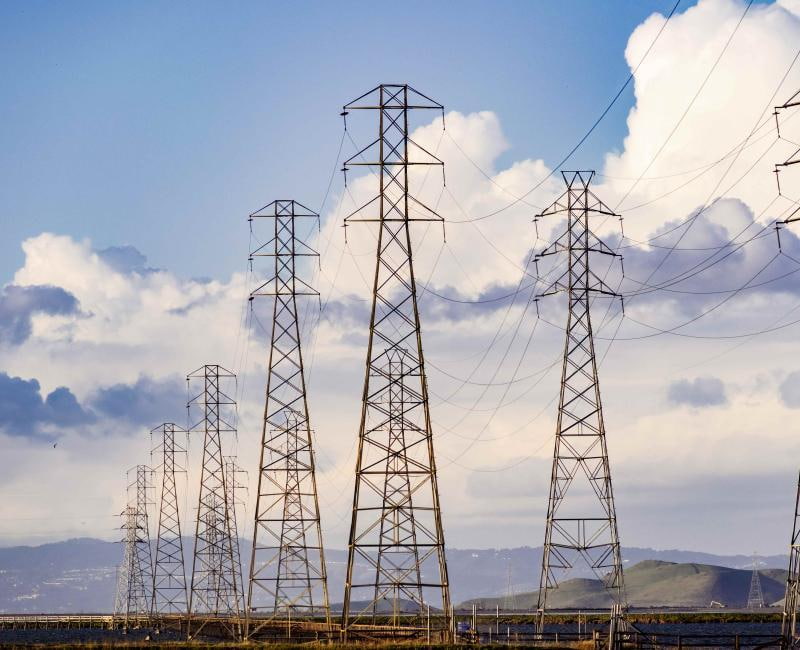
Brussels: The European Union has bet its climate strategy on electricity, yet the wires meant to carry all that clean power are falling behind the plan. The Council backed the Commission’s Grids Package on 26 June, and the figures behind it show how much of the network Europe must still build.

Demand is set to climb sharply. Heat pumps, electric cars, electrolysers and data centres all draw on the same grid, and each new connection stretches infrastructure that many countries designed decades ago. Planners now expect transmission and distribution networks to reach roughly 668 gigawatts of grid capacity by 2040. That represents an increase of about 144 percent over today’s levels, a rebuild of a scale the bloc has not attempted in a generation.

The interconnection gap keeps widening

Cross-border links tell the starkest part of the story. Europe is on course for only 41 gigawatts of cross-border transmission capacity by 2030, less than half of the 88 gigawatt target that governments set for themselves. The bloc wants to reach 108 gigawatts by 2040, but the present trajectory points to a late arrival rather than an early one.

A related benchmark asks each member state to build enough grid capacity to import at least 15 percent of its consumption from neighbours. Fourteen countries still fall short of that mark. Their national markets stay more isolated, and consumers there absorb sharper price swings whenever local generation dips or a heatwave drives demand higher.

The economics explain why this matters. When wires run full, cheap wind and solar power cannot travel to where people need it, so grid operators pay wind farms to switch off and fire up costlier plants elsewhere. The European Environment Agency and national regulators have tracked how these congestion costs quietly inflate bills. More grid capacity turns stranded renewable output into usable, lower-cost electricity.

A financing fight slows the fix

The Grids Package tries to plan the network at European scale rather than country by country, and it pairs new planning tools with faster permitting for priority projects. Yet the money remains contested. Member states are deadlocked over a draft provision that would force national regulators to hand over a quarter of their unused congestion revenues to help finance shared interconnector projects.

Governments that collect large congestion payments guard that income closely, since it flows back into their own domestic upgrades. The Commission argues that pooling part of it would finally fund the missing cross-border links that no single country wants to pay for alone. Negotiators from the Council and Parliament are trying to close the file during the third quarter of 2026, in line with the timeline set out under the AccelerateEU push.

The clock is unforgiving. Building a major transmission line can take a decade from first plan to switch-on, which means the wires ordered in 2026 are the ones that will decide whether the 2040 targets hold. The Commission has published its own electricity interconnection targets to keep the pressure visible, and independent analysts at outlets such as Clean Energy Wire have flagged the permitting and financing bottlenecks as the transition’s weakest link.

Grid capacity has become the quiet variable on which the louder targets depend. Europe can legislate emissions cuts, subsidise clean factories and court investors, but none of that reaches households if the electricity cannot move. The Grids Package sets the ambition on paper. Whether member states resolve who pays will determine if the wiring catches up with the promise.