August 7, 2026
LATEST
Europe Freezes Its Retaliatory Tariffs on the US IndefinitelyAir Passenger Rights Get Their First Big Rewrite in 20 YearsFive Joint Defence Projects Win Brussels Backing and Shared CashTobacco Tax Overhaul Stalls as Governments Block UnanimityCritical Medicines Act Heads for Final Adoption This AutumnMoldova Accession Reaches Its Foreign-Policy ChapterMercosur Tariffs Fall as Europe’s Farmers Watch the GaugesWhy Europe’s Digital Fairness Act Worries Online RetailersErasmus+ Faces a Budget Fight Before Its 2028 RelaunchMedia Freedom Rules Turn One as Enforcement LagsPlatform Work Rules Push Member States Toward a December ReckoningSingle Ticket Plan Would Let One Booking Cover Europe by RailHungary Races an August Deadline to Unlock Its Recovery FundsCapitals Race a September Deadline to Restore NatureEuro-Zone Inflation Nudges Back Up as Energy Bills ClimbRed Bull Case Tests a New Frontier in EU AntitrustNew EU Packaging Rules Reach Shoppers as August Deadline HitsEvery EU Country Must Draft an Anti-Fraud Plan Under New RulesEurope Blacklists a North Korean General Over Russia’s WarChina’s Rare Earths Curbs Push Europe to Find New SourcesEurope Freezes Its Retaliatory Tariffs on the US IndefinitelyAir Passenger Rights Get Their First Big Rewrite in 20 YearsFive Joint Defence Projects Win Brussels Backing and Shared CashTobacco Tax Overhaul Stalls as Governments Block UnanimityCritical Medicines Act Heads for Final Adoption This AutumnMoldova Accession Reaches Its Foreign-Policy ChapterMercosur Tariffs Fall as Europe’s Farmers Watch the GaugesWhy Europe’s Digital Fairness Act Worries Online RetailersErasmus+ Faces a Budget Fight Before Its 2028 RelaunchMedia Freedom Rules Turn One as Enforcement LagsPlatform Work Rules Push Member States Toward a December ReckoningSingle Ticket Plan Would Let One Booking Cover Europe by RailHungary Races an August Deadline to Unlock Its Recovery FundsCapitals Race a September Deadline to Restore NatureEuro-Zone Inflation Nudges Back Up as Energy Bills ClimbRed Bull Case Tests a New Frontier in EU AntitrustNew EU Packaging Rules Reach Shoppers as August Deadline HitsEvery EU Country Must Draft an Anti-Fraud Plan Under New RulesEurope Blacklists a North Korean General Over Russia’s WarChina’s Rare Earths Curbs Push Europe to Find New Sources
August 7, 2026
LATEST
Europe Freezes Its Retaliatory Tariffs on the US IndefinitelyAir Passenger Rights Get Their First Big Rewrite in 20 YearsFive Joint Defence Projects Win Brussels Backing and Shared CashTobacco Tax Overhaul Stalls as Governments Block UnanimityCritical Medicines Act Heads for Final Adoption This AutumnMoldova Accession Reaches Its Foreign-Policy ChapterMercosur Tariffs Fall as Europe’s Farmers Watch the GaugesWhy Europe’s Digital Fairness Act Worries Online RetailersErasmus+ Faces a Budget Fight Before Its 2028 RelaunchMedia Freedom Rules Turn One as Enforcement LagsPlatform Work Rules Push Member States Toward a December ReckoningSingle Ticket Plan Would Let One Booking Cover Europe by RailHungary Races an August Deadline to Unlock Its Recovery FundsCapitals Race a September Deadline to Restore NatureEuro-Zone Inflation Nudges Back Up as Energy Bills ClimbRed Bull Case Tests a New Frontier in EU AntitrustNew EU Packaging Rules Reach Shoppers as August Deadline HitsEvery EU Country Must Draft an Anti-Fraud Plan Under New RulesEurope Blacklists a North Korean General Over Russia’s WarChina’s Rare Earths Curbs Push Europe to Find New SourcesEurope Freezes Its Retaliatory Tariffs on the US IndefinitelyAir Passenger Rights Get Their First Big Rewrite in 20 YearsFive Joint Defence Projects Win Brussels Backing and Shared CashTobacco Tax Overhaul Stalls as Governments Block UnanimityCritical Medicines Act Heads for Final Adoption This AutumnMoldova Accession Reaches Its Foreign-Policy ChapterMercosur Tariffs Fall as Europe’s Farmers Watch the GaugesWhy Europe’s Digital Fairness Act Worries Online RetailersErasmus+ Faces a Budget Fight Before Its 2028 RelaunchMedia Freedom Rules Turn One as Enforcement LagsPlatform Work Rules Push Member States Toward a December ReckoningSingle Ticket Plan Would Let One Booking Cover Europe by RailHungary Races an August Deadline to Unlock Its Recovery FundsCapitals Race a September Deadline to Restore NatureEuro-Zone Inflation Nudges Back Up as Energy Bills ClimbRed Bull Case Tests a New Frontier in EU AntitrustNew EU Packaging Rules Reach Shoppers as August Deadline HitsEvery EU Country Must Draft an Anti-Fraud Plan Under New RulesEurope Blacklists a North Korean General Over Russia’s WarChina’s Rare Earths Curbs Push Europe to Find New Sources

How the EU Civil Protection Fleet Fights a Record Fire Season

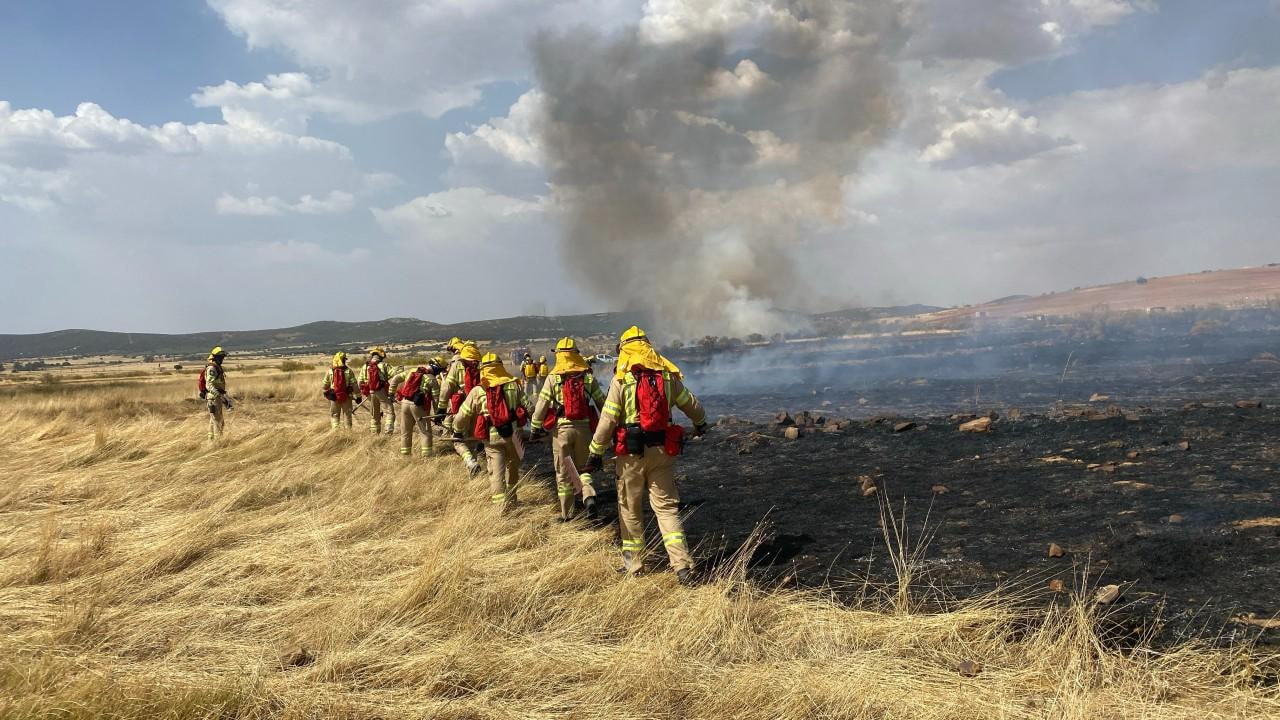
Brussels: A record wildfire season has turned Europe’s civil protection machinery into a live experiment. Fires across France and Spain have forced more than 300,000 people from their homes this month, one of the largest evacuation efforts the continent has mounted in years. The scale of the emergency exposes both the reach and the limits of the way the bloc now shares firefighting power.

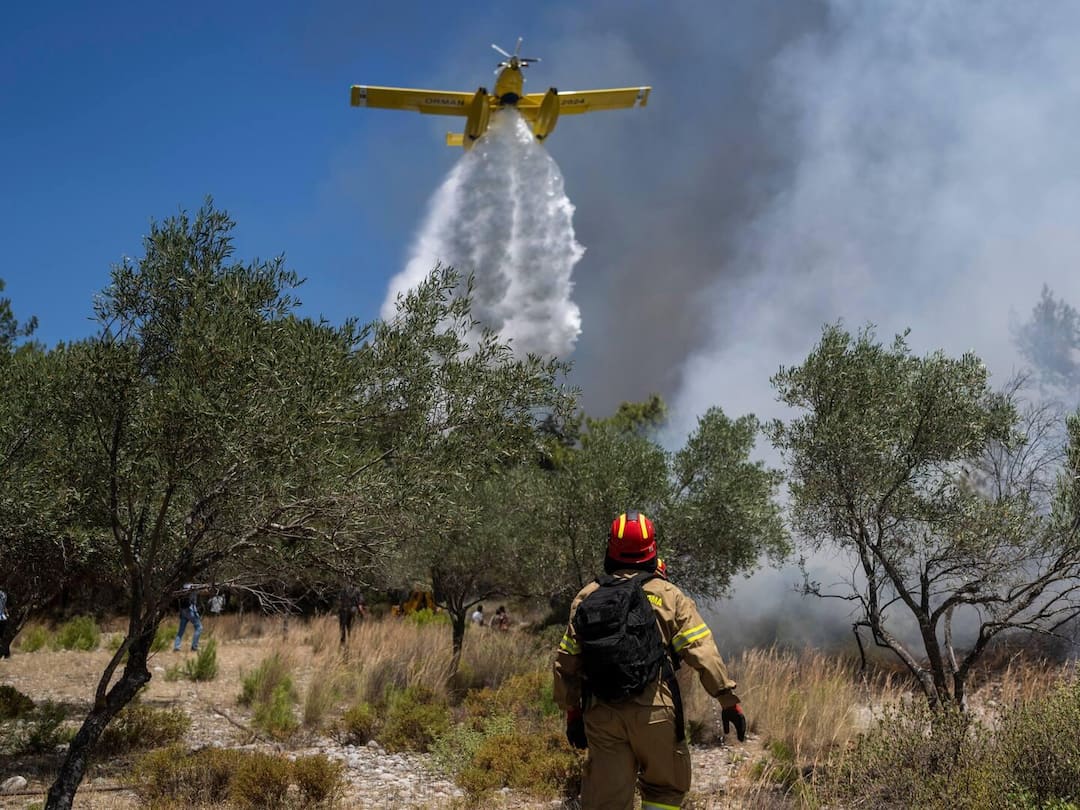
The EU Civil Protection Mechanism rests on a simple bargain. When a national fleet runs short, a member state asks Brussels for help, and other countries pool aircraft, crews and vehicles through a common coordination centre. This summer that bargain has moved a striking amount of hardware. In France the Commission routed seven planes and four helicopters from Czechia, Croatia, Germany, Portugal, Slovakia, Sweden and Turkiye. In Spain it directed six planes from Greece, Italy and Turkiye, plus 134 personnel and 41 vehicles from Portugal.

How rescEU changed the calculus

Most of those aircraft belong to rescEU, the reserve the Commission built after the mechanism strained during earlier heatwaves. For 2026 rescEU keeps a transitional fleet of 22 aeroplanes and five helicopters ready to move. Brussels also pre-positioned 777 firefighters from 14 countries in the most exposed regions of France, Spain, Portugal, Italy, Greece and Cyprus before the first blazes caught. That shift from reaction to readiness marks the clearest change in the way the EU now fights fire.

The bloc is also spending to make the reserve permanent. Roughly 600 million euros will fund a standing rescEU fleet of 12 new firefighting aircraft, stationed across France, Spain, Portugal, Italy, Greece and Croatia. Officials argue that owning the planes, rather than borrowing them each July, gives commanders a dependable core they can plan around.

Where the model still strains

Yet the same season shows why the model still worries planners. When several countries burn at once, they compete for the same scarce aircraft, and every plane sent to Spain is a plane unavailable to France. Climate scientists expect longer and hotter fire windows, which stretch the calendar in which shared assets stay in demand. A reserve sized for a normal August looks thin when the map lights up in July.

The satellite layer adds real value. The EU’s Copernicus service produces rapid emergency maps that show fire fronts and damage within hours, letting commanders steer crews toward the sharpest risk. That data narrows the guesswork, though it cannot conjure extra tankers when demand peaks.

Money and mandate frame the next argument. A permanent fleet costs more than a borrowed one, and finance ministers will weigh that bill against every other pressure on the budget. Some capitals want the EU to own more capacity outright; others prefer to keep firefighting a national duty backed by a lean common reserve. The record season sharpens that choice rather than settling it.

For the families displaced this month, the debate reads as background noise to a very physical threat. But the way Europe answers it will decide how quickly help arrives the next time a heatwave sets the south alight. The mechanism has proven it can move aircraft across borders in a day. The open question is whether the fleet grows fast enough to keep pace with the fire.