November 25, 2026
LATEST
Hybrid Vehicle Import Quotas Hit China, Japan and Türkiye in DecemberJoint Clinical Assessment Turns to PRIMA Retinal ImplantPan-European Journalism Projects Share €16.6 Million From BrusselsAgri-Food Trade Surplus Climbs to €39.6 Billion by SeptemberQuantum Act Puts Europe’s Lab Strength to a Market TestE5 Negotiating Team Leaves Kallas Outside the Room on Ukraine PeaceEstonia Border Closure Seals Final Road Links to Russia on 1 DecemberRare Earth Export Controls Pause Hands Europe a Short ReprieveEU-GCC Summit Delay Keeps Gulf Visa and Investment Hopes WaitingEU-Philippines Trade Deal Nears Final Text Before a 2027 SigningUnion for the Mediterranean Ministers Test the Pact in BarcelonaDrone Trials Test EU Space Programme Before Kubilius ReviewCanary Islands Migration Hits a November Record on El HierroPassenger Rights Enforcement Law Clears Council With 14-Day RefundsTorino Global Skills Summit Ties EU Growth to Training InvestmentComposites Safeguard Investigation Targets Glass Fibre Imports to EUBelgrade-Pristina Dialogue Stalls as Brussels Weighs New LeverageGeorgia Visa-Free Travel Faces Tougher EU Suspension RulesEastern Border Security Debate Weighs a €500m Drone PushAccession Pledges Face an EU-Western Balkans Summit TestHybrid Vehicle Import Quotas Hit China, Japan and Türkiye in DecemberJoint Clinical Assessment Turns to PRIMA Retinal ImplantPan-European Journalism Projects Share €16.6 Million From BrusselsAgri-Food Trade Surplus Climbs to €39.6 Billion by SeptemberQuantum Act Puts Europe’s Lab Strength to a Market TestE5 Negotiating Team Leaves Kallas Outside the Room on Ukraine PeaceEstonia Border Closure Seals Final Road Links to Russia on 1 DecemberRare Earth Export Controls Pause Hands Europe a Short ReprieveEU-GCC Summit Delay Keeps Gulf Visa and Investment Hopes WaitingEU-Philippines Trade Deal Nears Final Text Before a 2027 SigningUnion for the Mediterranean Ministers Test the Pact in BarcelonaDrone Trials Test EU Space Programme Before Kubilius ReviewCanary Islands Migration Hits a November Record on El HierroPassenger Rights Enforcement Law Clears Council With 14-Day RefundsTorino Global Skills Summit Ties EU Growth to Training InvestmentComposites Safeguard Investigation Targets Glass Fibre Imports to EUBelgrade-Pristina Dialogue Stalls as Brussels Weighs New LeverageGeorgia Visa-Free Travel Faces Tougher EU Suspension RulesEastern Border Security Debate Weighs a €500m Drone PushAccession Pledges Face an EU-Western Balkans Summit Test

ICC Sanctions Revive Calls to Activate the EU Blocking Statute

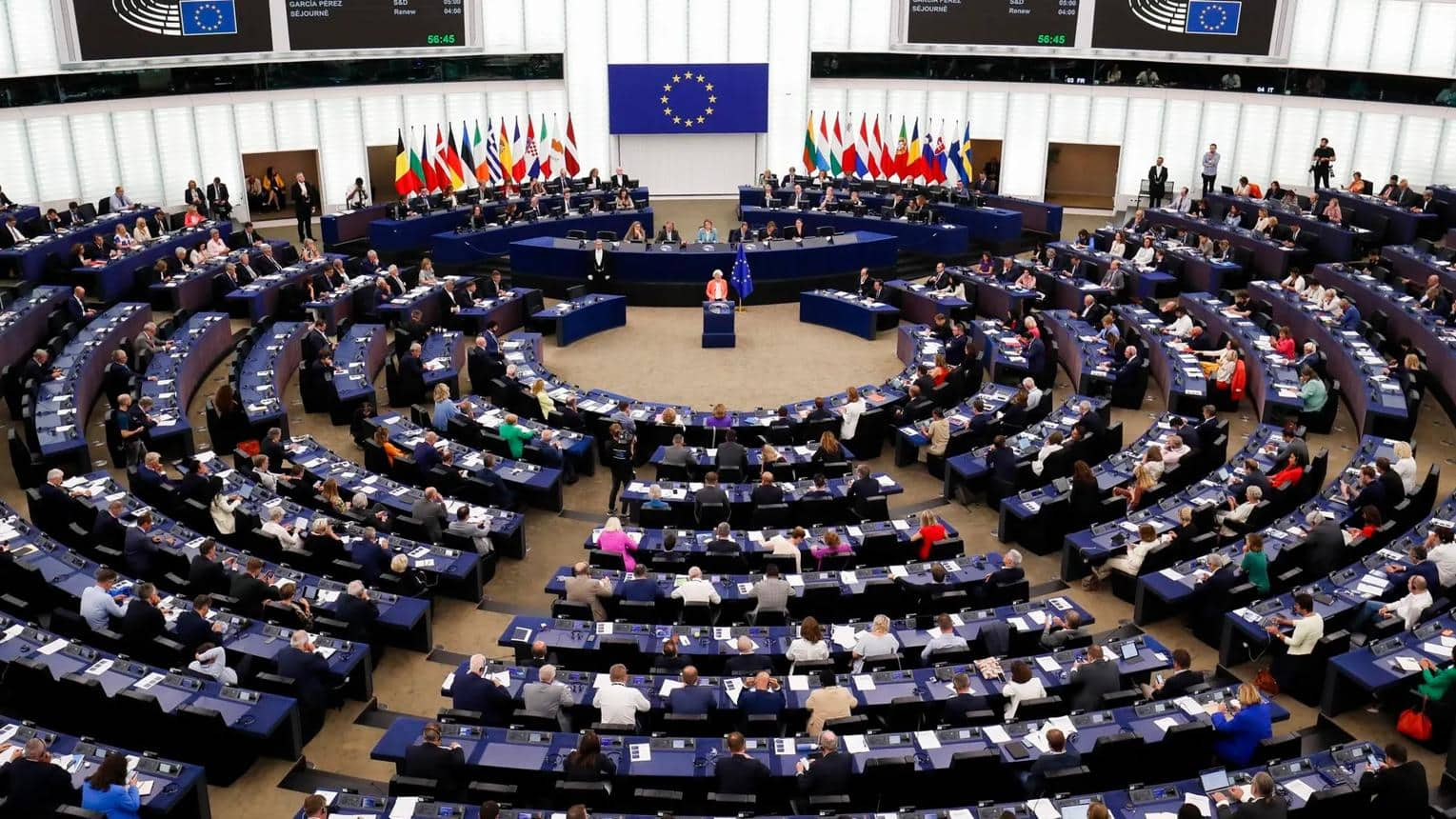
Calls to activate the EU Blocking Statute are growing louder in Strasbourg this week, as MEPs prepare a 25 November 2026 vote on a strategy to protect and strengthen the international justice system. The vote comes six weeks after Washington sanctioned the International Criminal Court as an institution, and weeks before Court officials collect the European Parliament’s Sakharov Prize.

From individual listings to sanctions on the Court

The United States first targeted the ICC under Executive Order 14203, signed in February 2025. Successive designations reached the Prosecutor, two Deputy Prosecutors, eight judges, three Palestinian human rights organisations and the UN Special Rapporteur on the occupied Palestinian territories.

Escalation followed in 2026. In July, Secretary of State Marco Rubio launched a campaign to disable the Court, and US diplomats urged states parties to leave the Rome Statute. On 9 October, the State Department moved against the ICC itself, blocking its property under US jurisdiction. High Representative Kaja Kallas responded the next day with an EU statement of regret and support, and she visited The Hague on 23 October.

What the EU Blocking Statute can and cannot do

Council Regulation (EC) No 2271/96, adopted in November 1996 against US extraterritorial sanctions on Cuba, Iran and Libya, nullifies in the EU the effect of foreign rulings based on listed laws. It also bars EU operators from complying with those laws and lets them claim damages. The Commission can extend its annex through a delegated act on its own initiative.

Applied to the ICC, the EU Blocking Statute would protect banks, cloud providers and suppliers in Europe that keep working with the Court. That matters because sanctions bite mainly through private intermediaries. When a bank closes a judge’s account or a software firm withdraws services, the Court’s operations suffer even without direct US enforcement in Europe.

Yet the instrument has limits. It cannot shield companies from penalties inside the United States, and firms with large US exposure may still choose to de-risk. Experience since 2018, when the EU updated the statute over Iran, shows uneven national enforcement and few court cases.

Parliament’s pressure on the Commission

Parliament has asked repeatedly for activation of the EU Blocking Statute. A March 2025 resolution urged the Commission to act urgently, and the 2025 annual reports on foreign policy and human rights repeated the call. In January 2026, MEPs backed a resolution on fighting impunity through EU sanctions by 440 votes to 127, which also urged member states to avoid steps that undermine the Rome Statute.

The Commission has not triggered the EU Blocking Statute. Presidents Ursula von der Leyen and António Costa have defended the Court’s independence in public, while Amnesty International and the Union of European Federalists accuse Brussels of avoiding a confrontation with Washington.

Credibility of European support for the ICC

The Sakharov Prize, announced by Roberta Metsola on 22 October and carrying a €50,000 endowment, gives the Court symbolic backing at the December plenary. Symbolism without legal protection, however, exposes a gap between rhetoric and policy. EU member states rank among the Court’s largest contributors, so the paralysis of its operations directly affects European investments in accountability.

The strategic dilemma is real. Brussels is negotiating with Washington on trade, Ukraine and China, and activation of the EU Blocking Statute could trigger retaliation. Inaction carries costs too, because it signals that US measures can paralyse a court that European states helped create and still fund.

What happens next

After Wednesday’s vote, attention turns to the Sakharov ceremony and to any Commission response before the US property measures take full effect. Activating the EU Blocking Statute would not end the confrontation, but it would show that Europe’s commitment to international justice extends beyond statements.