August 7, 2026
LATEST
New Zealand Trade With Europe Hits a Record in Its First YearEurope Locks Chinese Medical Devices Out of Its Public TendersHow Far Can Europe and Japan Take Their New Security Pact NowSeoul’s Gamble on Europe’s Research Money Is Starting to Pay OffEurope Freezes Its Retaliatory Tariffs on the US IndefinitelyAir Passenger Rights Get Their First Big Rewrite in 20 YearsFive Joint Defence Projects Win Brussels Backing and Shared CashTobacco Tax Overhaul Stalls as Governments Block UnanimityCritical Medicines Act Heads for Final Adoption This AutumnMoldova Accession Reaches Its Foreign-Policy ChapterMercosur Tariffs Fall as Europe’s Farmers Watch the GaugesWhy Europe’s Digital Fairness Act Worries Online RetailersErasmus+ Faces a Budget Fight Before Its 2028 RelaunchMedia Freedom Rules Turn One as Enforcement LagsPlatform Work Rules Push Member States Toward a December ReckoningSingle Ticket Plan Would Let One Booking Cover Europe by RailHungary Races an August Deadline to Unlock Its Recovery FundsCapitals Race a September Deadline to Restore NatureEuro-Zone Inflation Nudges Back Up as Energy Bills ClimbRed Bull Case Tests a New Frontier in EU AntitrustNew Zealand Trade With Europe Hits a Record in Its First YearEurope Locks Chinese Medical Devices Out of Its Public TendersHow Far Can Europe and Japan Take Their New Security Pact NowSeoul’s Gamble on Europe’s Research Money Is Starting to Pay OffEurope Freezes Its Retaliatory Tariffs on the US IndefinitelyAir Passenger Rights Get Their First Big Rewrite in 20 YearsFive Joint Defence Projects Win Brussels Backing and Shared CashTobacco Tax Overhaul Stalls as Governments Block UnanimityCritical Medicines Act Heads for Final Adoption This AutumnMoldova Accession Reaches Its Foreign-Policy ChapterMercosur Tariffs Fall as Europe’s Farmers Watch the GaugesWhy Europe’s Digital Fairness Act Worries Online RetailersErasmus+ Faces a Budget Fight Before Its 2028 RelaunchMedia Freedom Rules Turn One as Enforcement LagsPlatform Work Rules Push Member States Toward a December ReckoningSingle Ticket Plan Would Let One Booking Cover Europe by RailHungary Races an August Deadline to Unlock Its Recovery FundsCapitals Race a September Deadline to Restore NatureEuro-Zone Inflation Nudges Back Up as Energy Bills ClimbRed Bull Case Tests a New Frontier in EU Antitrust
August 7, 2026
LATEST
New Zealand Trade With Europe Hits a Record in Its First YearEurope Locks Chinese Medical Devices Out of Its Public TendersHow Far Can Europe and Japan Take Their New Security Pact NowSeoul’s Gamble on Europe’s Research Money Is Starting to Pay OffEurope Freezes Its Retaliatory Tariffs on the US IndefinitelyAir Passenger Rights Get Their First Big Rewrite in 20 YearsFive Joint Defence Projects Win Brussels Backing and Shared CashTobacco Tax Overhaul Stalls as Governments Block UnanimityCritical Medicines Act Heads for Final Adoption This AutumnMoldova Accession Reaches Its Foreign-Policy ChapterMercosur Tariffs Fall as Europe’s Farmers Watch the GaugesWhy Europe’s Digital Fairness Act Worries Online RetailersErasmus+ Faces a Budget Fight Before Its 2028 RelaunchMedia Freedom Rules Turn One as Enforcement LagsPlatform Work Rules Push Member States Toward a December ReckoningSingle Ticket Plan Would Let One Booking Cover Europe by RailHungary Races an August Deadline to Unlock Its Recovery FundsCapitals Race a September Deadline to Restore NatureEuro-Zone Inflation Nudges Back Up as Energy Bills ClimbRed Bull Case Tests a New Frontier in EU AntitrustNew Zealand Trade With Europe Hits a Record in Its First YearEurope Locks Chinese Medical Devices Out of Its Public TendersHow Far Can Europe and Japan Take Their New Security Pact NowSeoul’s Gamble on Europe’s Research Money Is Starting to Pay OffEurope Freezes Its Retaliatory Tariffs on the US IndefinitelyAir Passenger Rights Get Their First Big Rewrite in 20 YearsFive Joint Defence Projects Win Brussels Backing and Shared CashTobacco Tax Overhaul Stalls as Governments Block UnanimityCritical Medicines Act Heads for Final Adoption This AutumnMoldova Accession Reaches Its Foreign-Policy ChapterMercosur Tariffs Fall as Europe’s Farmers Watch the GaugesWhy Europe’s Digital Fairness Act Worries Online RetailersErasmus+ Faces a Budget Fight Before Its 2028 RelaunchMedia Freedom Rules Turn One as Enforcement LagsPlatform Work Rules Push Member States Toward a December ReckoningSingle Ticket Plan Would Let One Booking Cover Europe by RailHungary Races an August Deadline to Unlock Its Recovery FundsCapitals Race a September Deadline to Restore NatureEuro-Zone Inflation Nudges Back Up as Energy Bills ClimbRed Bull Case Tests a New Frontier in EU Antitrust

Why North Korea’s War Role Now Lands on Europe’s Sanctions Desk

Strasbourg: A country most Europeans rarely think about has forced its way onto the continent’s security agenda. North Korea’s decision to arm and reinforce Russia’s war in Ukraine has turned a distant, sanctioned state into a direct concern for European defence planners.

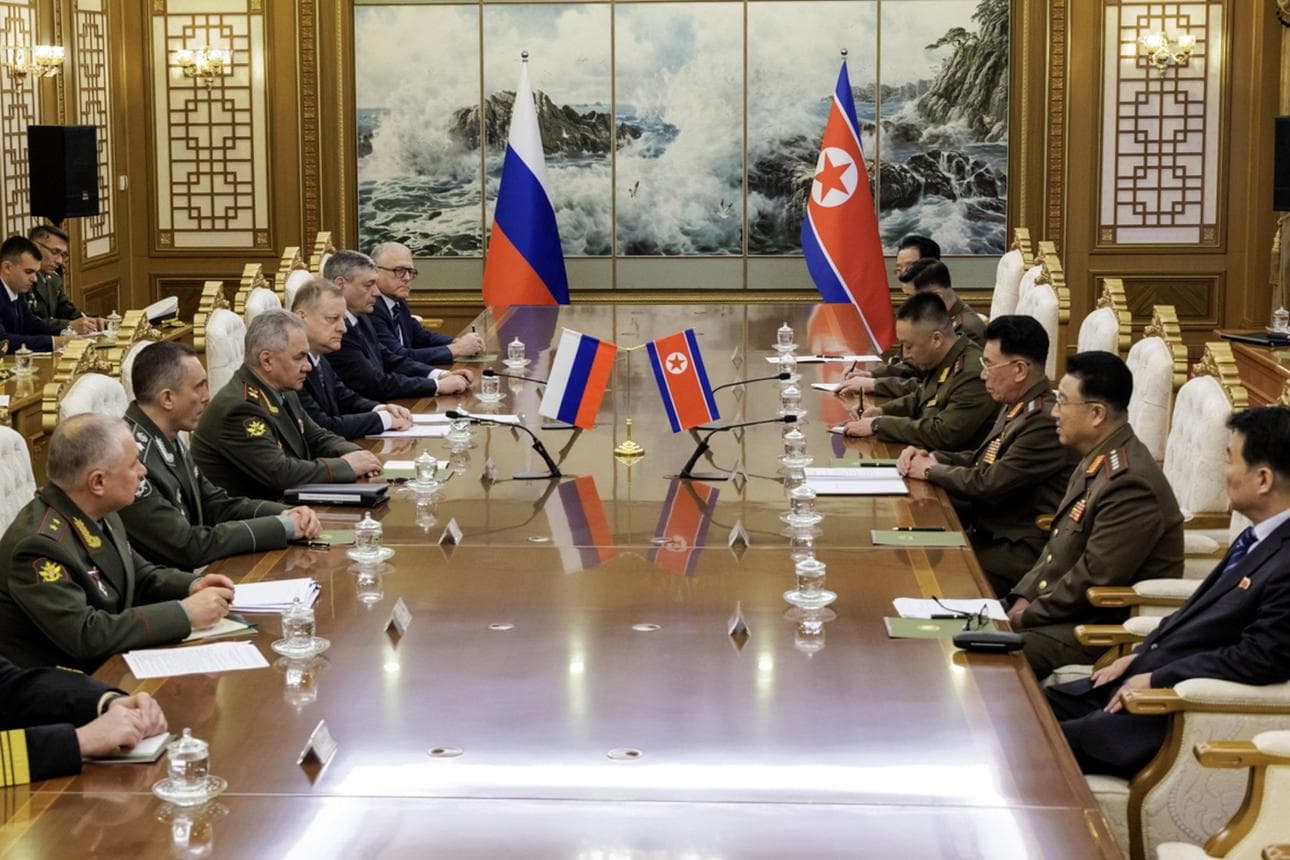
The scale is no longer speculative. Independent monitoring found that Pyongyang has shipped vast quantities of artillery shells and missiles to Russia since late 2023 and sent troops to fight alongside Russian forces, beginning in October 2024. Analysts estimate the arrangement has earned the regime billions in cash and technology.

For Europe, the transfers matter in the most literal way. Every North Korean shell that reaches a Russian gun is a round fired toward Ukrainian lines that Europe funds, arms and shelters. A conflict on the Union’s eastern flank now draws on the arsenals of a state on the far side of Asia.

Brussels has responded with the instrument it knows best. The EU has repeatedly widened its sanctions on North Korea, targeting officials tied to weapons programmes and, crucially, the shipping firms that move munitions from Pyongyang to Russian ports. Successive packages have blacklisted the vessels and companies running that military supply line.

The measures carry obvious limits. Europe trades almost nothing with North Korea, so its direct leverage is thin. The real value lies in exposure and disruption, naming the networks, freezing the assets they hold in reach, and pressing third countries to stop the ships. It is patient work with no dramatic payoff.

The deeper worry runs the other way. In exchange for shells and soldiers, Pyongyang may be receiving Russian help with missiles, submarines and satellites, capabilities that would sharpen the threat it poses to Europe’s partners in Asia. A war meant to stay regional is quietly spreading military know-how across two continents.

That prospect ties Europe’s eastern and Indo-Pacific concerns into a single knot. The same officials who track Russian offensives now watch launches over the Sea of Japan, because the two theatres feed each other. European cooperation with South Korea and Japan on security has gained urgency for exactly this reason.

Critics question whether more sanctions can change a regime that has survived decades of them. Supporters counter that the aim is not to reform Pyongyang but to raise the cost and slow the flow, buying Ukraine time and signalling that the transfers carry consequences. The Council keeps its measures on record here, with a full timeline here.

The episode leaves Europe with an uncomfortable truth. Its security no longer stops at its neighbourhood, and the actors shaping the war in Ukraine now include a hermit state whose choices Brussels can influence only at the margins.