Seoul: South Korea has spent the past decade turning itself into one of the world’s busiest arms exporters, and Europe has become a prized customer. Now Seoul wants something more durable than a string of contracts. It wants to be treated as a trusted, embedded partner in European defence, and the question of whether Brussels will grant that status is starting to shape the relationship.
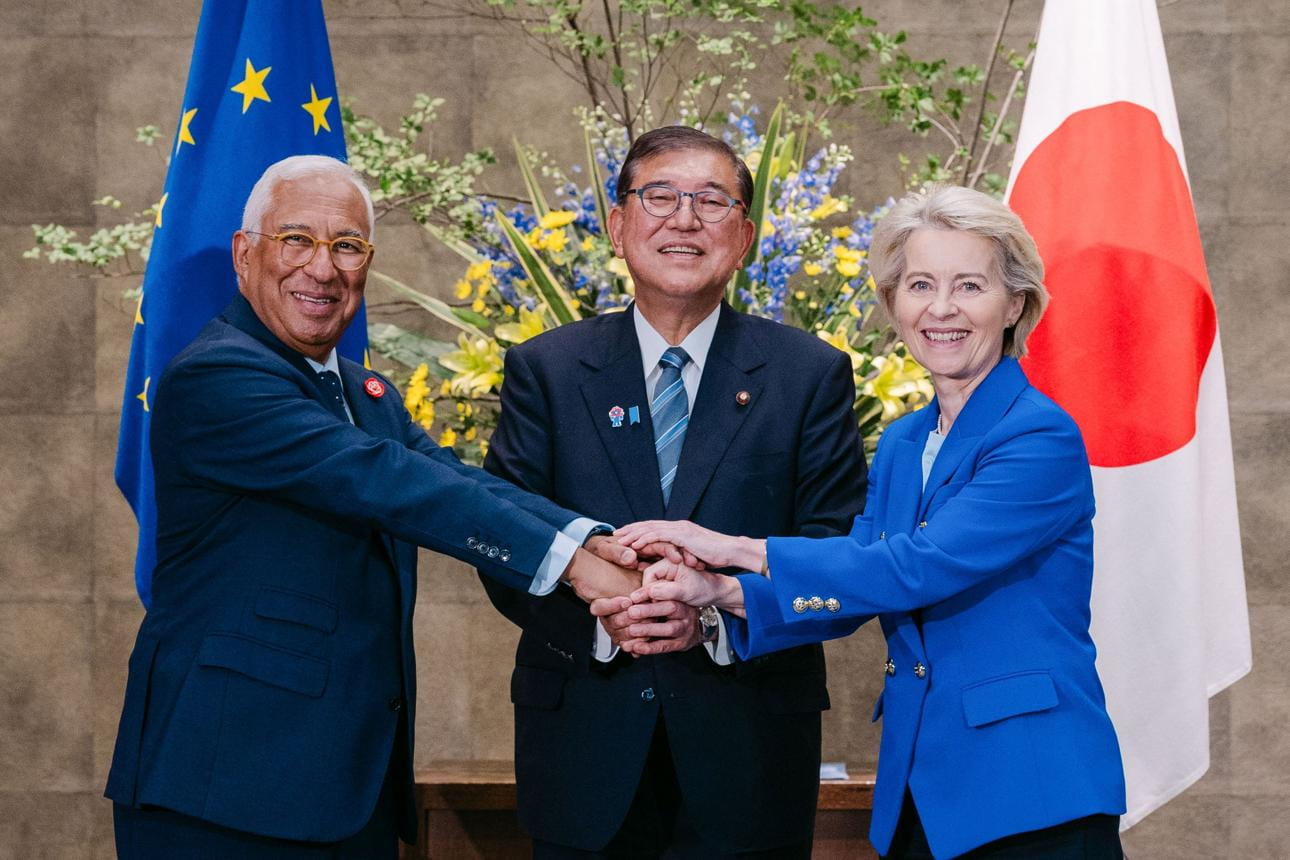
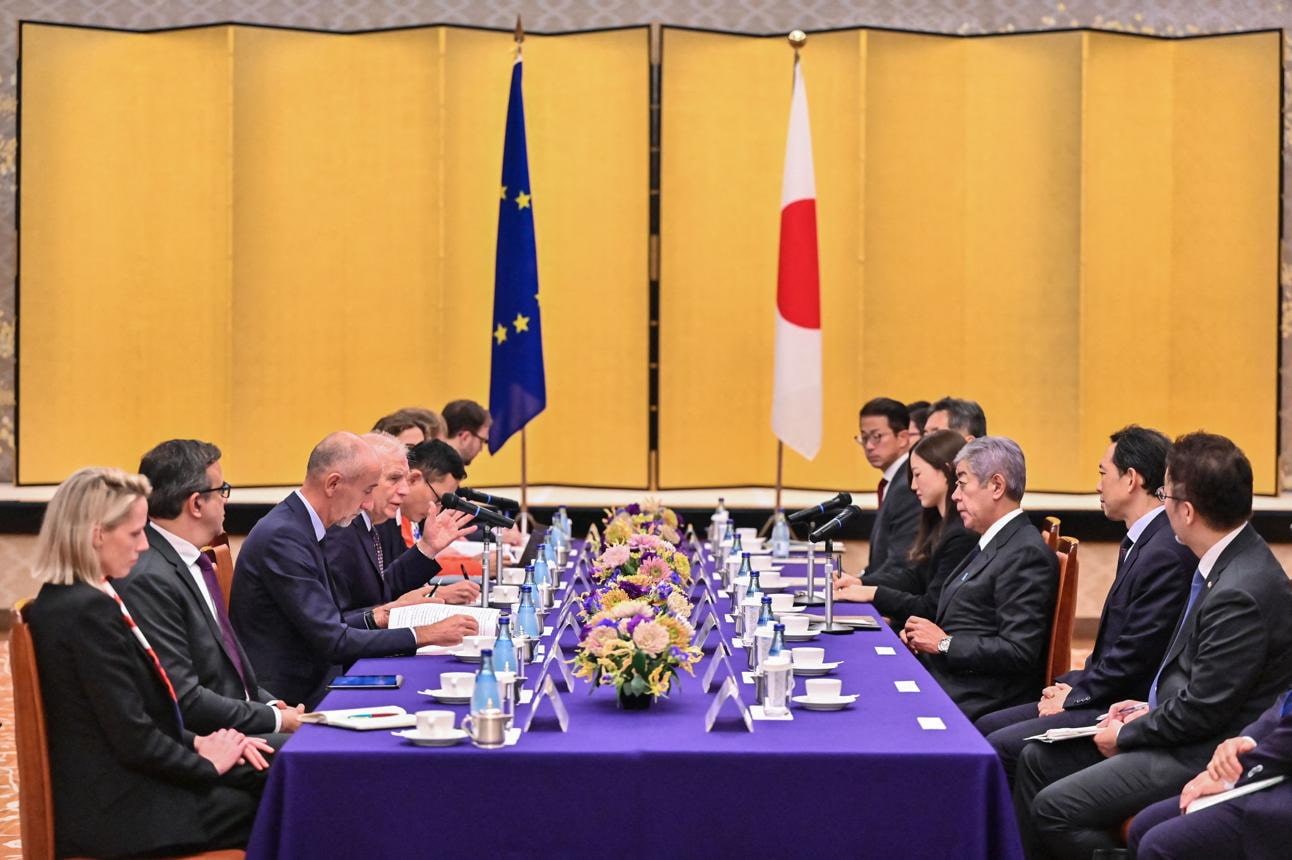
The foundations already exist. A security and defence partnership agreed in December 2024 gave the two sides a formal framework, and their navies have cooperated for years off the Horn of Africa, where Korean warships have worked alongside the EU’s anti-piracy mission. That record of operational trust is the kind of thing partnerships are built on, and both sides now talk of extending it to new regions and new tasks.
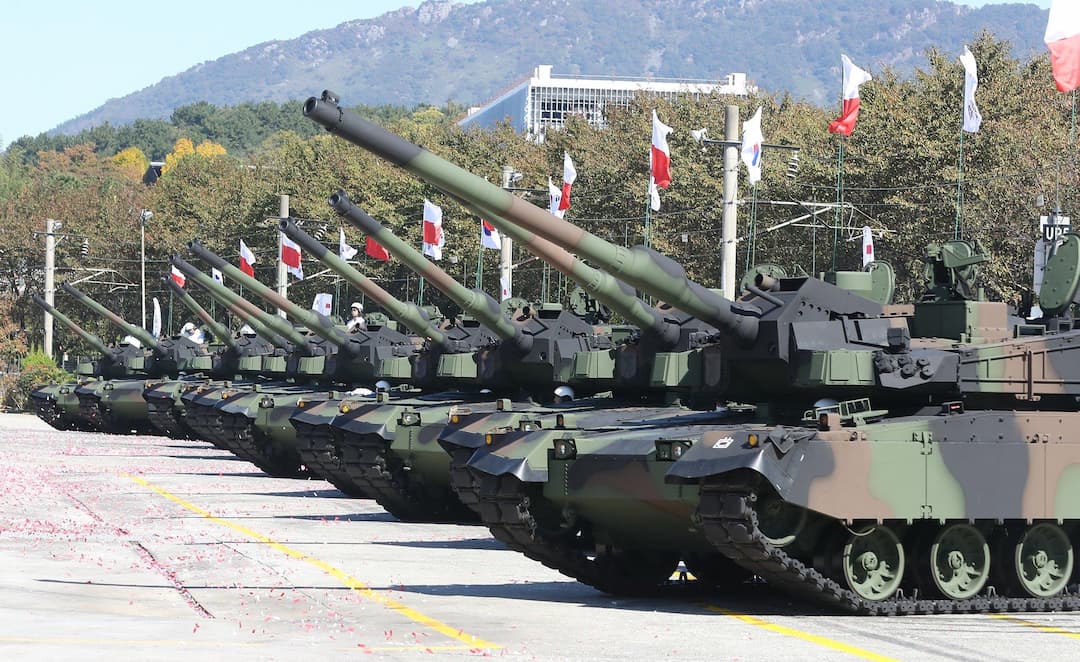
Korean industry has moved faster than the diplomacy. Firms from Seoul have won major orders across the continent, supplying howitzers, tanks and aircraft to European militaries scrambling to rearm after years of neglect. Their appeal is simple: they deliver quickly, at scale, and at prices that hard-pressed defence ministries can meet. As European governments rush to spend, that combination has made Korea an awkwardly indispensable supplier.
The next test is whether Korean companies will put down roots in Europe. Analysts argue that lasting influence requires local factories, joint ventures and shared technology, not just shipments from Asian yards. Building plants on European soil would create jobs, ease political sensitivities about buying foreign weapons, and lock Korea into the continent’s industrial base. Several firms have signalled they are willing to make that leap if the orders keep coming. The EU’s own diplomatic service has described the partnership through its external action channels as a pillar of its Indo-Pacific strategy.
There are reasons for caution on both sides. Some European planners prefer to channel the rearmament boom toward home-grown champions, worried that leaning on Korea could hollow out the continent’s own defence sector. Seoul, for its part, must balance its European ambitions against its alliance with Washington and its exposure to a volatile neighbourhood, where North Korean troops now fight in Russia and the peninsula stays tense.
Still, the logic of partnership keeps reasserting itself. Europe needs weapons faster than its own factories can build them, and Korea needs markets and partners beyond the United States. If the two can turn a series of sales into a genuine industrial marriage, Seoul may indeed become the workshop that helps arm a rearming Europe, and a strategic partner that Brussels can no longer treat as merely distant.