August 11, 2026
LATEST
Air Passenger Rights Get Their First Overhaul in Two DecadesDeforestation Regulation Nears Its December Compliance DeadlineHealth Data Space Enters Its First Operational PhaseBroken Appliances Now Come With a Right to Be FixedScorched Fields Leave Europe Counting Its Harvest LossesEurope Courts Central Asia to Break Its Reliance on Russian TransitMercosur Deal Takes Effect in Limbo as Judges Weigh Its FateEurope’s Air Quality Improves but WHO Limits LoomTwelve New EU Medicines Win a Green Light from EMAFIFA Agent Rules Must Answer to Europe’s CourtsTachograph Rules Now Reach Vans Crossing Europe’s BordersNature Restoration Plans Come Due as a Hard Deadline NearsBrussels Opens a State Aid Probe Into Spain’s Renewables PayoutBrussels Extends Its Tariff Suspension on US Goods IndefinitelyFarmers Win Stronger Contract Rights Across the EU Supply ChainEurope Finally Locks In Its 348-Satellite Answer to StarlinkPlatform Work Rules Face a National Scramble Before DecemberDuty-Free Parcels Reach the End of the Line for EU ShoppersAfter Nine Years, Europe and Australia Seal a Trade PactBeijing Answers Europe’s Russia Sanctions in KindAir Passenger Rights Get Their First Overhaul in Two DecadesDeforestation Regulation Nears Its December Compliance DeadlineHealth Data Space Enters Its First Operational PhaseBroken Appliances Now Come With a Right to Be FixedScorched Fields Leave Europe Counting Its Harvest LossesEurope Courts Central Asia to Break Its Reliance on Russian TransitMercosur Deal Takes Effect in Limbo as Judges Weigh Its FateEurope’s Air Quality Improves but WHO Limits LoomTwelve New EU Medicines Win a Green Light from EMAFIFA Agent Rules Must Answer to Europe’s CourtsTachograph Rules Now Reach Vans Crossing Europe’s BordersNature Restoration Plans Come Due as a Hard Deadline NearsBrussels Opens a State Aid Probe Into Spain’s Renewables PayoutBrussels Extends Its Tariff Suspension on US Goods IndefinitelyFarmers Win Stronger Contract Rights Across the EU Supply ChainEurope Finally Locks In Its 348-Satellite Answer to StarlinkPlatform Work Rules Face a National Scramble Before DecemberDuty-Free Parcels Reach the End of the Line for EU ShoppersAfter Nine Years, Europe and Australia Seal a Trade PactBeijing Answers Europe’s Russia Sanctions in Kind
August 11, 2026
LATEST
Air Passenger Rights Get Their First Overhaul in Two DecadesDeforestation Regulation Nears Its December Compliance DeadlineHealth Data Space Enters Its First Operational PhaseBroken Appliances Now Come With a Right to Be FixedScorched Fields Leave Europe Counting Its Harvest LossesEurope Courts Central Asia to Break Its Reliance on Russian TransitMercosur Deal Takes Effect in Limbo as Judges Weigh Its FateEurope’s Air Quality Improves but WHO Limits LoomTwelve New EU Medicines Win a Green Light from EMAFIFA Agent Rules Must Answer to Europe’s CourtsTachograph Rules Now Reach Vans Crossing Europe’s BordersNature Restoration Plans Come Due as a Hard Deadline NearsBrussels Opens a State Aid Probe Into Spain’s Renewables PayoutBrussels Extends Its Tariff Suspension on US Goods IndefinitelyFarmers Win Stronger Contract Rights Across the EU Supply ChainEurope Finally Locks In Its 348-Satellite Answer to StarlinkPlatform Work Rules Face a National Scramble Before DecemberDuty-Free Parcels Reach the End of the Line for EU ShoppersAfter Nine Years, Europe and Australia Seal a Trade PactBeijing Answers Europe’s Russia Sanctions in KindAir Passenger Rights Get Their First Overhaul in Two DecadesDeforestation Regulation Nears Its December Compliance DeadlineHealth Data Space Enters Its First Operational PhaseBroken Appliances Now Come With a Right to Be FixedScorched Fields Leave Europe Counting Its Harvest LossesEurope Courts Central Asia to Break Its Reliance on Russian TransitMercosur Deal Takes Effect in Limbo as Judges Weigh Its FateEurope’s Air Quality Improves but WHO Limits LoomTwelve New EU Medicines Win a Green Light from EMAFIFA Agent Rules Must Answer to Europe’s CourtsTachograph Rules Now Reach Vans Crossing Europe’s BordersNature Restoration Plans Come Due as a Hard Deadline NearsBrussels Opens a State Aid Probe Into Spain’s Renewables PayoutBrussels Extends Its Tariff Suspension on US Goods IndefinitelyFarmers Win Stronger Contract Rights Across the EU Supply ChainEurope Finally Locks In Its 348-Satellite Answer to StarlinkPlatform Work Rules Face a National Scramble Before DecemberDuty-Free Parcels Reach the End of the Line for EU ShoppersAfter Nine Years, Europe and Australia Seal a Trade PactBeijing Answers Europe’s Russia Sanctions in Kind

Civil Society Groups Chase a Shrinking Pot of EU Rights Money

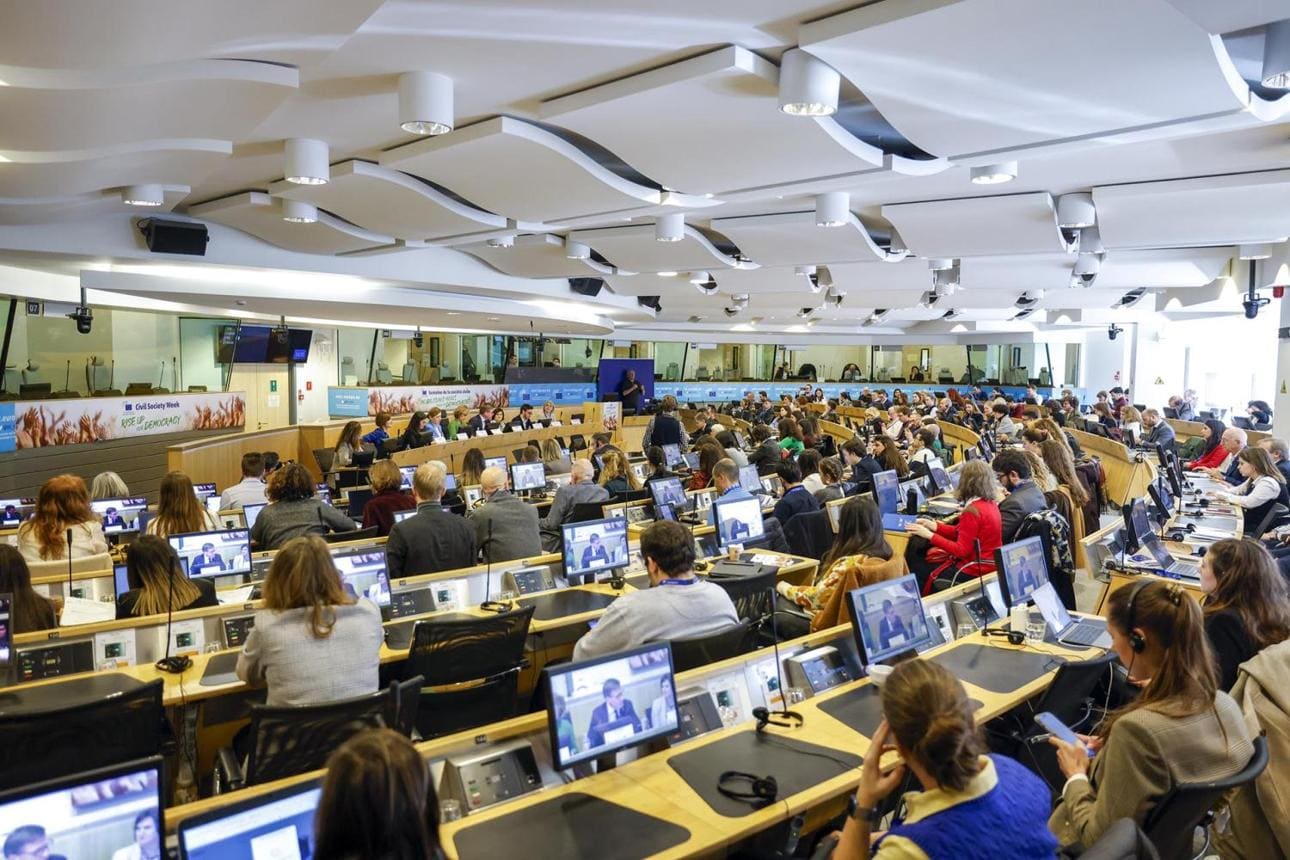
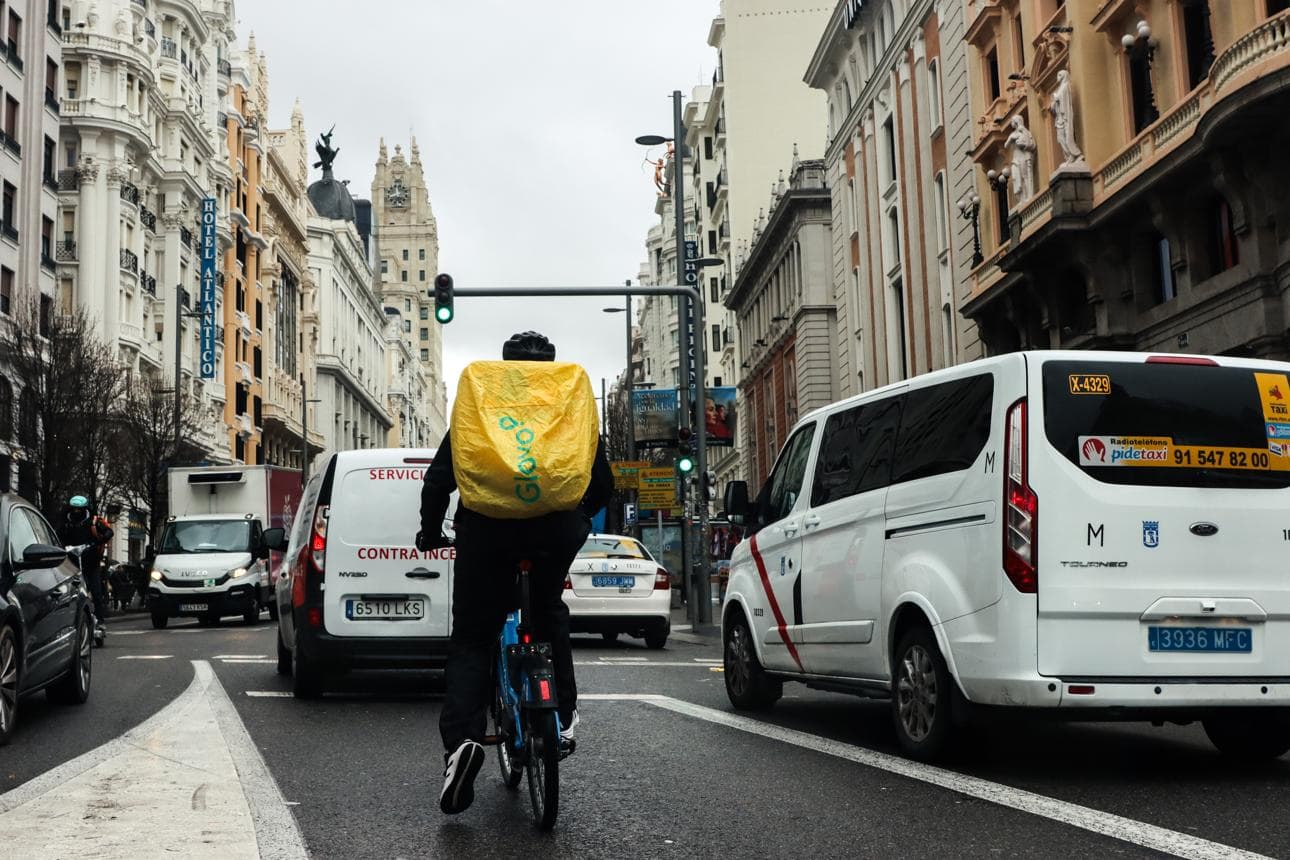
Madrid: In community centres and legal-aid offices across the Spanish capital, small organisations are again poring over the fine print of Union funding calls. The European Union’s Citizens, Equality, Rights and Values programme, known as CERV, has opened its 2026 round, and for many civil society groups it is the difference between staffing a project and shelving it.

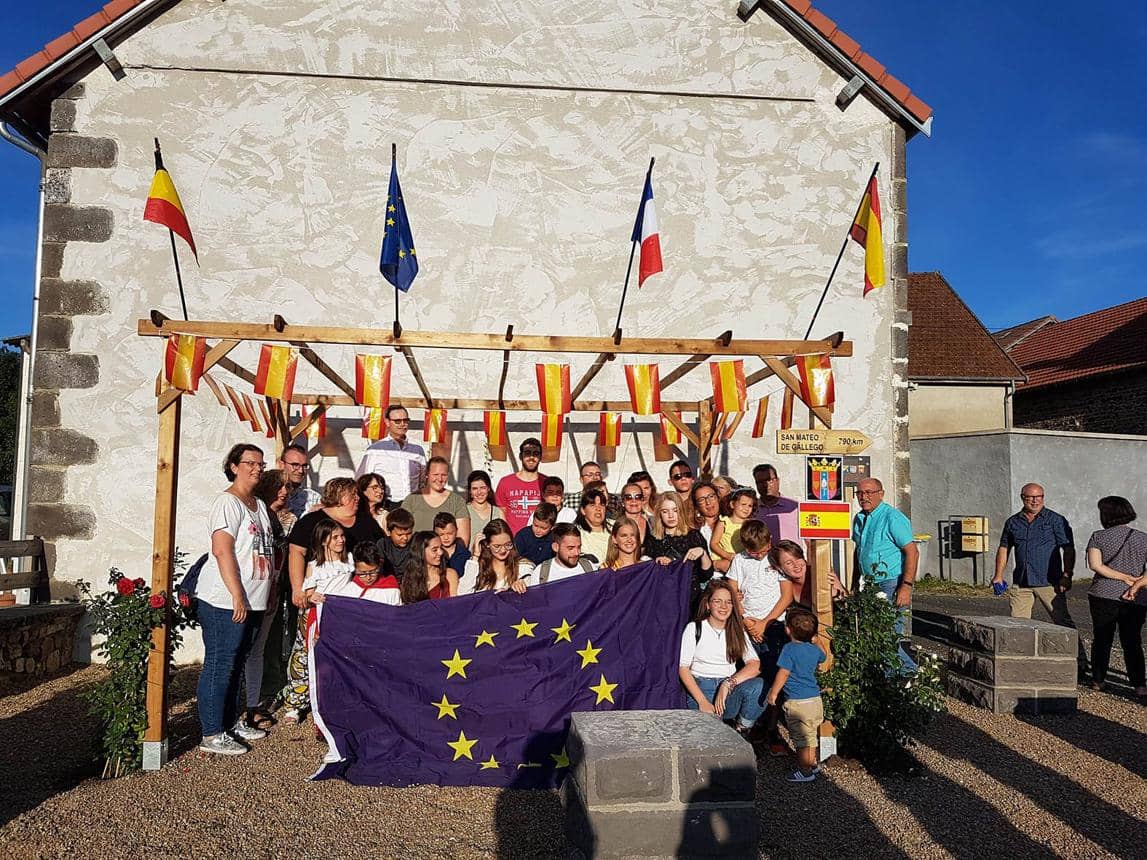
Launched in 2021, the programme runs through next year with a budget in the hundreds of millions of euros, spread across a dozen calls. It bankrolls the unglamorous work that holds democratic life together: defending the rights set out in the EU Charter, supporting equality and anti-discrimination efforts, protecting children, promoting data protection, and reviving the town-twinning and civic-participation networks that connect citizens across borders.

The 2026 calls split the money into distinct strands. Roughly 181 million euros is set aside for protecting Union values and supporting civil society and Charter rights, the largest single pot. A further 76 million supports town networks, European remembrance and democratic engagement, while 27 million backs gender equality, Roma inclusion, children’s rights and data protection.

For applicants the appeal lies partly in the terms. Grants typically cover 90 percent of costs and are paid as a lump sum, sparing overstretched groups the accounting nightmare that dogs many EU programmes. Civil society organisations working at local, regional, national and transnational level can apply, alongside other stakeholders, through the Commission’s single funding portal.

Yet the mood among grantseekers is anxious rather than celebratory. Demand across the sector far outstrips the money available, and organisations that defend rights and monitor governments often operate in exactly the countries where domestic funding for such work has dried up. A programme meant to shore up democratic resilience can reach only a fraction of those who seek it, and each rejected application means a watchdog left short-staffed or a community project quietly abandoned before it starts.

The calls arrive as the Union debates its next long-term budget, and civil society advocates worry that a squeeze on the future framework could shrink this kind of support further. The executive agency running the calls has urged groups to prepare applications early, given how quickly the strongest strands are oversubscribed.

Details on deadlines and eligibility sit on the programme’s overview page. For the Madrid groups sharpening their proposals, the arithmetic is stark: a strong application is necessary, but in a contest this crowded, it is far from a guarantee.