A new balance of power between shoppers and manufacturers took hold across the European Union at the end of July, as governments brought the bloc’s product repair rules into force. Buyers now hold a legal claim to have faulty goods mended rather than tossed out and replaced.
The rules stem from Directive (EU) 2024/1799, which lawmakers adopted in 2024 and told member states to write into national law by 31 July 2026. The Commission set out the new consumer rights as that deadline arrived.
Under the framework, producers must repair technically repairable products within a reasonable time and at a reasonable price. The obligation reaches everyday items such as washing machines, vacuum cleaners, dishwashers, smartphones and tablets, categories that pile up as electronic waste when owners discard them too early.
The measures go beyond a simple repair guarantee. When a trader fixes a product under the legal warranty, the consumer gains an extra year of protection on the repaired item. That single clause tilts the economics against the throwaway habit that has defined household electronics for decades.
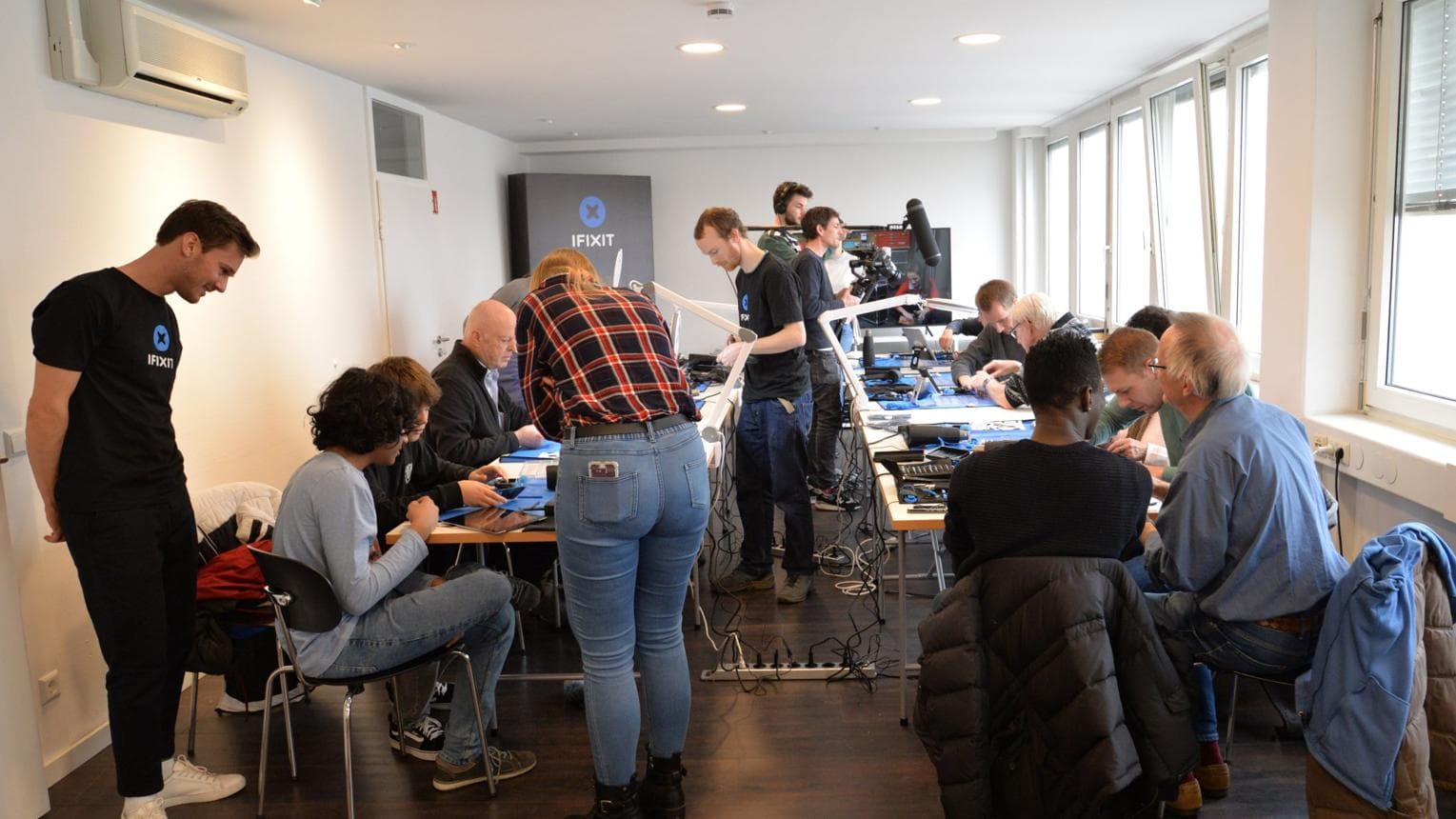
Officials have paired the obligations with practical tools. A European Repair Information Form lets customers compare prices and conditions before they commit, while a new online platform helps them track down repairers, sellers of refurbished goods and community repair projects nearby. The Council’s own account of the policy casts repair as the default choice rather than the fallback.
The commercial stakes run deep. Consumers stand to save money over a product’s life, independent repair shops win back customers who long assumed replacement was easier, and manufacturers who once engineered goods for the scrap heap now face pressure to keep spare parts, tools and manuals available.
Implementation looks uneven, however. Several capitals missed the transposition date, leaving a patchwork in which a shopper’s leverage still depends on the country. That gap hands enforcement authorities an early test of whether the promise translates into practice at the repair counter.
The wider ambition is circular. Every laptop kept running and every appliance spared the landfill trims demand for raw materials and the emissions tied to making new goods. The repair push sits alongside ecodesign standards and digital product passports, part of a broader effort to squeeze more life out of what Europeans already own. The question now is whether national regulators police the product repair guarantee or let it quietly gather dust.