Brussels: The European Union has handed farmers a stronger hand in the supply chain, with the Council giving final approval on 29 June 2026 to new rules that rebalance the relationship between producers and the buyers who purchase their crops, milk and meat. The reform amends the bloc’s common market organisation and takes direct aim at the weak bargaining position that has left many farmers as price-takers.
The regulation, published in the Official Journal on 29 July 2026 as Regulation (EU) 2026/1739, makes written contracts the standard across the food supply chain. Every deal between a farmer and a first buyer must now spell out price, volume, duration and quality in writing, and long-term contracts must carry a revision clause so terms can move with production costs and market conditions.
Agriculture ministers argued that the change fixes a structural problem. Farmers absorb volatile input costs for fertiliser, feed and energy, yet often sign deals that lock in prices before those costs are known. By forcing costs and market indicators into the contract, the EU wants food prices to track what production actually costs on the farm.
The rules also strengthen producer organisations, the cooperatives through which farmers pool supply and negotiate collectively. The reform simplifies how these bodies gain recognition and lets them bargain directly with processors and retailers, while curbing the practice of buyers going around the organisation to pressure individual growers one by one.
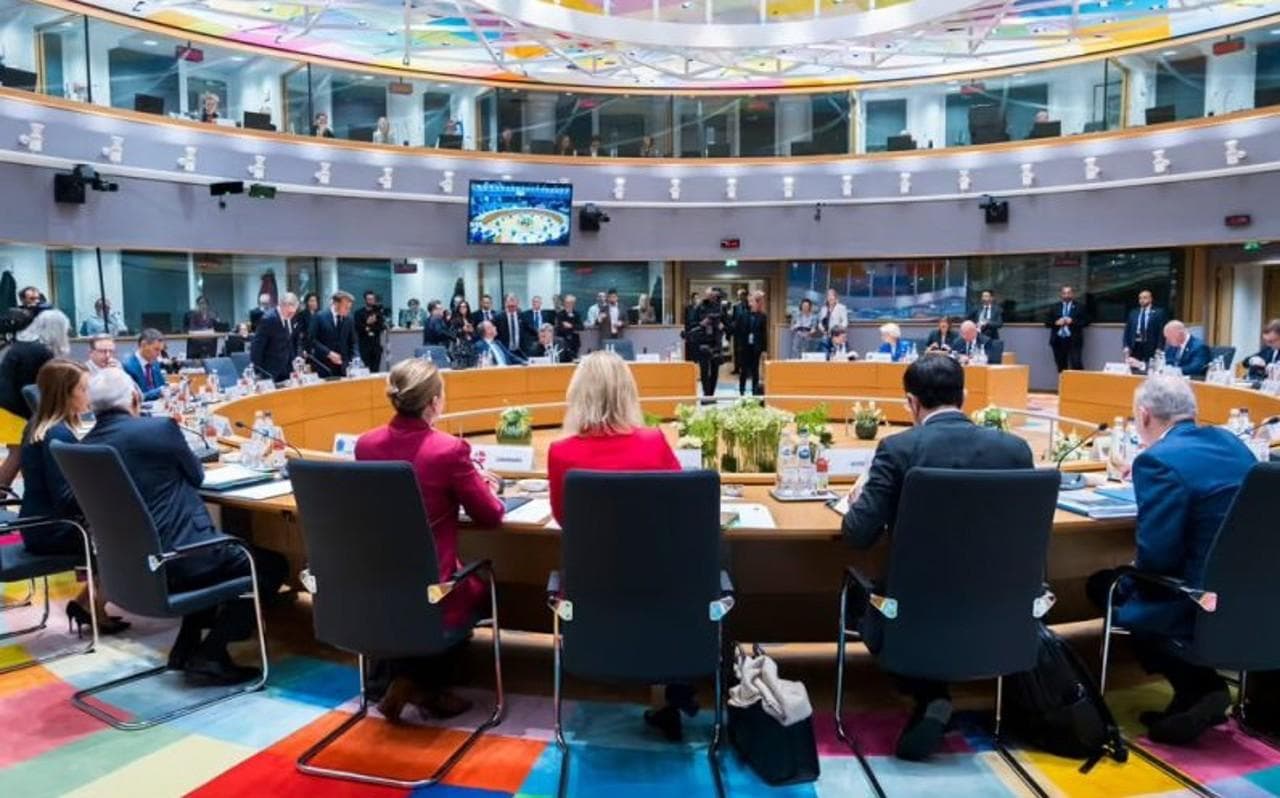
The Council described the vote as a final green light after Parliament and member states struck a provisional deal in March. The Commission, which first tabled the measures under its Vision for Agriculture and Food, welcomed the political agreement as a way to give farmers a fairer share of the value they create.
Member states will also have to publish online price and cost indicators that contracting parties can use as benchmarks. Supporters say transparent reference points will make negotiations less lopsided, especially for small farms facing the large retail chains that dominate the end of the supply chain.
Not everyone is convinced the paperwork will shift the balance of power. Retail and processing groups warn that mandatory written contracts add administrative weight and may prove hard to apply to fresh produce sold on short notice. Some smaller farmers worry that the biggest cooperatives, not individual growers, will capture most of the new leverage.
Member states now have to designate enforcement authorities and adapt national rules before the provisions bite. The Commission will monitor how governments apply the regime and can revisit the framework if the promised rebalancing never reaches the farm gate. For now, the EU has bet that clearer contracts and stronger collective bargaining will steady incomes across a supply chain that has spent years tilted against the people who work the land.