Tallinn: A wave of European Union grants for civil society reopened this year, as the bloc rolled out the 2026 calls under its Citizens, Equality, Rights and Values programme. From Estonian human-rights groups to municipal networks across the continent, thousands of organisations now eye funding meant to keep democratic life vigorous.
The programme, known by the acronym CERV, exists to defend the rights and values written into the EU treaties and the Charter of Fundamental Rights. It channels money to civil society organisations, NGOs, municipalities, equality bodies and think-tanks that work at local, national and cross-border level, and it treats an active citizenry as infrastructure worth financing.
The Commission adopted a fresh two-year work programme covering 2026 and 2027 and published an indicative timetable of calls. Several headline strands opened over the spring and summer, including support for civic space, funding to raise awareness of the Charter, and the long-running town twinning scheme that links communities across borders. Officials laid out the schedule through the executive agency that runs the calls.
The terms favour ambition. Grants start at 75,000 euros with no fixed ceiling, and the Union typically covers 90 percent of a project’s cost through lump-sum payments that spare applicants the grind of itemised accounting. For small groups, that funding rate can mean the difference between a plan and a paper.
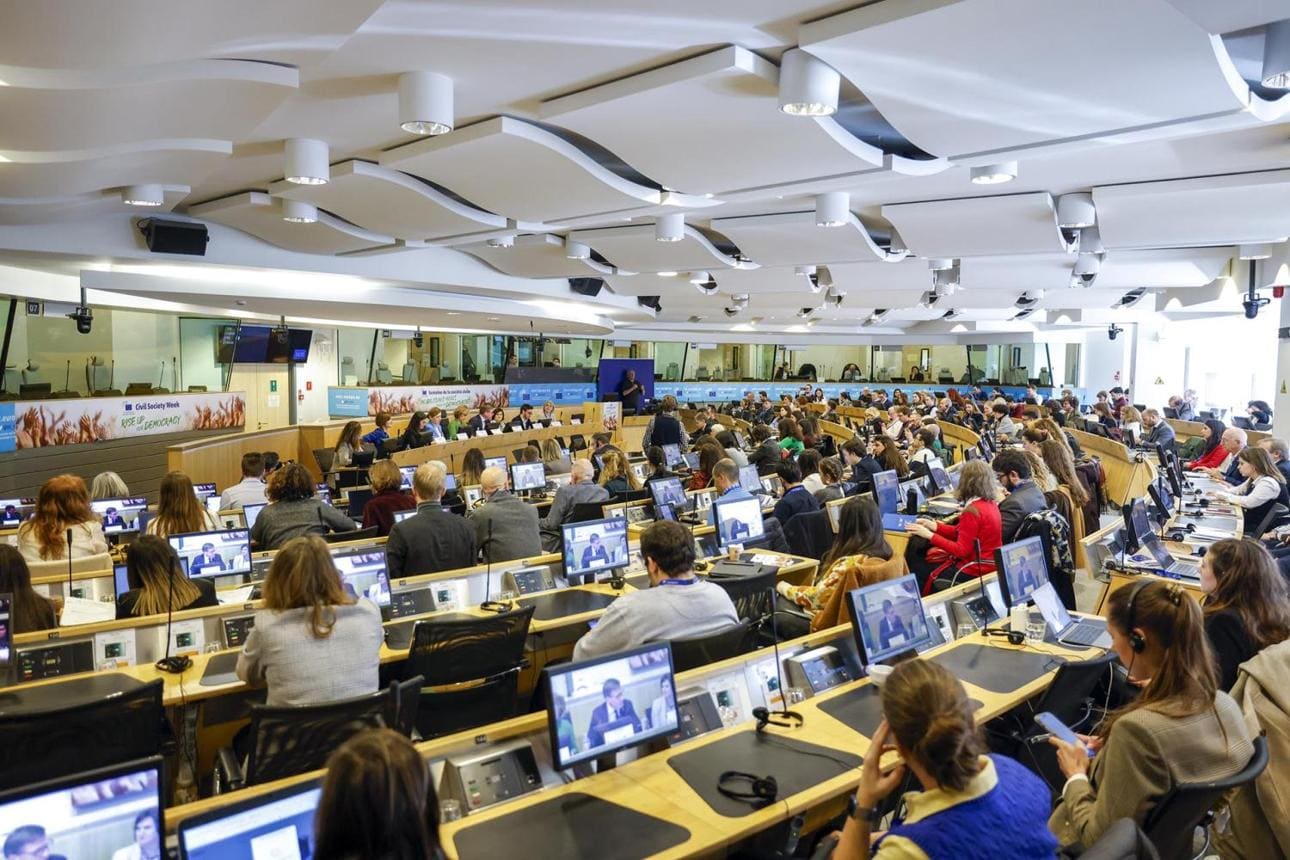
The call to protect civic space carries particular weight. Watchdogs across Europe report mounting pressure on NGOs, from restrictive laws to funding squeezes, and the programme aims to shore up the organisations that hold power to account. Supporters cast the money as a democratic immune system.
Estonia makes a fitting backdrop. A small state with a lively digital civil society, it has long punched above its weight in citizen engagement, and its groups know how to stretch modest grants into real influence. The country’s experience shows how targeted funding can amplify voices that governments might otherwise overlook.
Not everyone cheers. Critics on parts of the political spectrum accuse the programme of bankrolling a favoured slice of civil society, and some governments bristle at Brussels financing groups that challenge them. The tension between EU support for watchdogs and national resentment of outside money runs through the debate.
The Commission answers that it funds values, not factions, and that transparency in the selection process guards against bias. It stresses that the calls stay open to a broad sweep of applicants, from research institutes to social partners, and that independent evaluation decides who wins.
For the organisations racing to meet the autumn deadlines, the abstractions matter less than the arithmetic. A single CERV grant can fund a year of work defending the civic space that many now see under strain. Whether the money reaches the groups that need it most, rather than those best at writing applications, will shape how much the programme actually delivers.