August 7, 2026
LATEST
New Zealand Trade With Europe Hits a Record in Its First YearEurope Locks Chinese Medical Devices Out of Its Public TendersHow Far Can Europe and Japan Take Their New Security Pact NowSeoul’s Gamble on Europe’s Research Money Is Starting to Pay OffEurope Freezes Its Retaliatory Tariffs on the US IndefinitelyAir Passenger Rights Get Their First Big Rewrite in 20 YearsFive Joint Defence Projects Win Brussels Backing and Shared CashTobacco Tax Overhaul Stalls as Governments Block UnanimityCritical Medicines Act Heads for Final Adoption This AutumnMoldova Accession Reaches Its Foreign-Policy ChapterMercosur Tariffs Fall as Europe’s Farmers Watch the GaugesWhy Europe’s Digital Fairness Act Worries Online RetailersErasmus+ Faces a Budget Fight Before Its 2028 RelaunchMedia Freedom Rules Turn One as Enforcement LagsPlatform Work Rules Push Member States Toward a December ReckoningSingle Ticket Plan Would Let One Booking Cover Europe by RailHungary Races an August Deadline to Unlock Its Recovery FundsCapitals Race a September Deadline to Restore NatureEuro-Zone Inflation Nudges Back Up as Energy Bills ClimbRed Bull Case Tests a New Frontier in EU AntitrustNew Zealand Trade With Europe Hits a Record in Its First YearEurope Locks Chinese Medical Devices Out of Its Public TendersHow Far Can Europe and Japan Take Their New Security Pact NowSeoul’s Gamble on Europe’s Research Money Is Starting to Pay OffEurope Freezes Its Retaliatory Tariffs on the US IndefinitelyAir Passenger Rights Get Their First Big Rewrite in 20 YearsFive Joint Defence Projects Win Brussels Backing and Shared CashTobacco Tax Overhaul Stalls as Governments Block UnanimityCritical Medicines Act Heads for Final Adoption This AutumnMoldova Accession Reaches Its Foreign-Policy ChapterMercosur Tariffs Fall as Europe’s Farmers Watch the GaugesWhy Europe’s Digital Fairness Act Worries Online RetailersErasmus+ Faces a Budget Fight Before Its 2028 RelaunchMedia Freedom Rules Turn One as Enforcement LagsPlatform Work Rules Push Member States Toward a December ReckoningSingle Ticket Plan Would Let One Booking Cover Europe by RailHungary Races an August Deadline to Unlock Its Recovery FundsCapitals Race a September Deadline to Restore NatureEuro-Zone Inflation Nudges Back Up as Energy Bills ClimbRed Bull Case Tests a New Frontier in EU Antitrust
August 7, 2026
LATEST
New Zealand Trade With Europe Hits a Record in Its First YearEurope Locks Chinese Medical Devices Out of Its Public TendersHow Far Can Europe and Japan Take Their New Security Pact NowSeoul’s Gamble on Europe’s Research Money Is Starting to Pay OffEurope Freezes Its Retaliatory Tariffs on the US IndefinitelyAir Passenger Rights Get Their First Big Rewrite in 20 YearsFive Joint Defence Projects Win Brussels Backing and Shared CashTobacco Tax Overhaul Stalls as Governments Block UnanimityCritical Medicines Act Heads for Final Adoption This AutumnMoldova Accession Reaches Its Foreign-Policy ChapterMercosur Tariffs Fall as Europe’s Farmers Watch the GaugesWhy Europe’s Digital Fairness Act Worries Online RetailersErasmus+ Faces a Budget Fight Before Its 2028 RelaunchMedia Freedom Rules Turn One as Enforcement LagsPlatform Work Rules Push Member States Toward a December ReckoningSingle Ticket Plan Would Let One Booking Cover Europe by RailHungary Races an August Deadline to Unlock Its Recovery FundsCapitals Race a September Deadline to Restore NatureEuro-Zone Inflation Nudges Back Up as Energy Bills ClimbRed Bull Case Tests a New Frontier in EU AntitrustNew Zealand Trade With Europe Hits a Record in Its First YearEurope Locks Chinese Medical Devices Out of Its Public TendersHow Far Can Europe and Japan Take Their New Security Pact NowSeoul’s Gamble on Europe’s Research Money Is Starting to Pay OffEurope Freezes Its Retaliatory Tariffs on the US IndefinitelyAir Passenger Rights Get Their First Big Rewrite in 20 YearsFive Joint Defence Projects Win Brussels Backing and Shared CashTobacco Tax Overhaul Stalls as Governments Block UnanimityCritical Medicines Act Heads for Final Adoption This AutumnMoldova Accession Reaches Its Foreign-Policy ChapterMercosur Tariffs Fall as Europe’s Farmers Watch the GaugesWhy Europe’s Digital Fairness Act Worries Online RetailersErasmus+ Faces a Budget Fight Before Its 2028 RelaunchMedia Freedom Rules Turn One as Enforcement LagsPlatform Work Rules Push Member States Toward a December ReckoningSingle Ticket Plan Would Let One Booking Cover Europe by RailHungary Races an August Deadline to Unlock Its Recovery FundsCapitals Race a September Deadline to Restore NatureEuro-Zone Inflation Nudges Back Up as Energy Bills ClimbRed Bull Case Tests a New Frontier in EU Antitrust

Europe Extends Its Squeeze on North Korea’s War Support

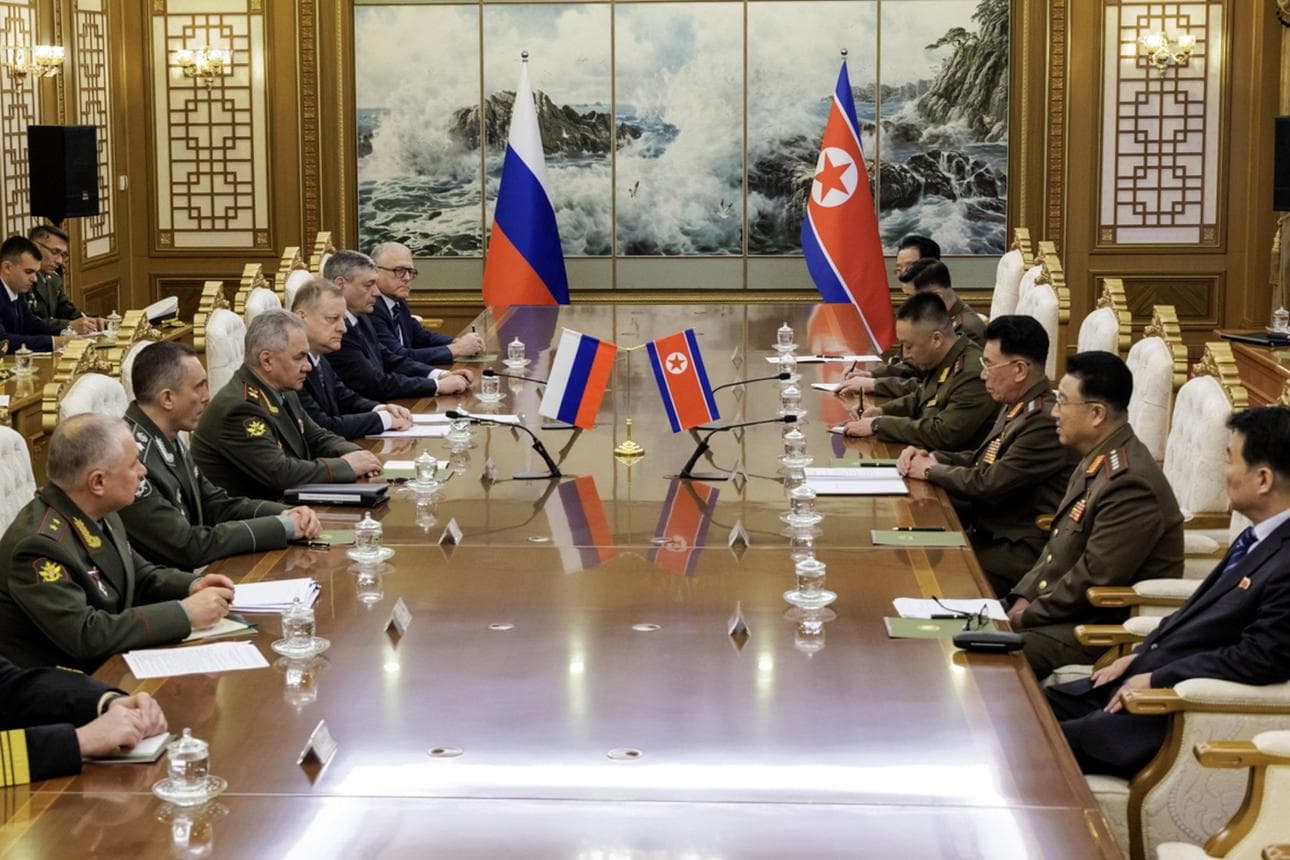
Pyongyang: North Korea has turned itself into a supplier for Russia’s war in Ukraine, and the European Union has answered by tightening a sanctions regime that once looked like a relic. What began as a nuclear-focused set of restrictions now targets the officers, arms brokers and shipping networks that move Korean shells and soldiers toward the front in eastern Europe.

The shift reflects a hard new reality. Pyongyang has sent troops and vast quantities of ammunition to support Moscow, and European governments no longer treat the Korean peninsula as a distant file managed mainly in Washington and Seoul. They increasingly see it as part of the same security problem that runs through Ukraine.

Brussels has adjusted its tools accordingly. The bloc has folded measures against North Korean actors into its Russia sanctions framework, penalising people and entities that help arm the Russian military. The Council of the European Union has also worked alongside the United States and South Korea to designate generals commanding North Korean units deployed to Russia.

Those coordinated designations carry a message beyond their immediate targets. By acting together, the three partners signal that they can track the chain of command behind the deployments and impose costs on named individuals, not just faceless institutions. The measures freeze assets, ban travel and warn financiers that dealing with these networks invites secondary consequences.

The European Union has also extended its autonomous North Korea measures, most recently until September 2026, keeping older restrictions on weapons, luxury goods and proliferation finance in force. Officials argue that letting them lapse would hand Pyongyang an easy propaganda win at the worst possible moment.

Sceptics question how much any of this actually bites. North Korea has lived under sanctions for decades and has grown adept at evasion through front companies, ship-to-ship transfers and willing intermediaries. Adding new names to a list does little if enforcement stays patchy and third countries look the other way.

Supporters counter that the point is partly legal and partly diplomatic. Sanctions create a record, complicate transactions and give like-minded governments a shared vocabulary for confronting the Russia-North Korea axis. They also reassure South Korea that Europe takes its security concerns seriously, which matters as Seoul weighs deeper involvement in Ukraine’s defence.

The deeper challenge is strategic patience. Neither Pyongyang nor Moscow shows any sign of abandoning a partnership that serves both, and Europe cannot easily reach a state it barely trades with. The bloc’s leverage runs mostly through allies, banks and the slow accumulation of pressure rather than any single decisive blow.

For now, Brussels seems content to keep the screws turning. It cannot end North Korea’s support for Russia by decree, but it can raise the price, expose the networks and deny the Kim government the quiet it would prefer. In a war defined by attrition, even that modest ambition counts as policy.