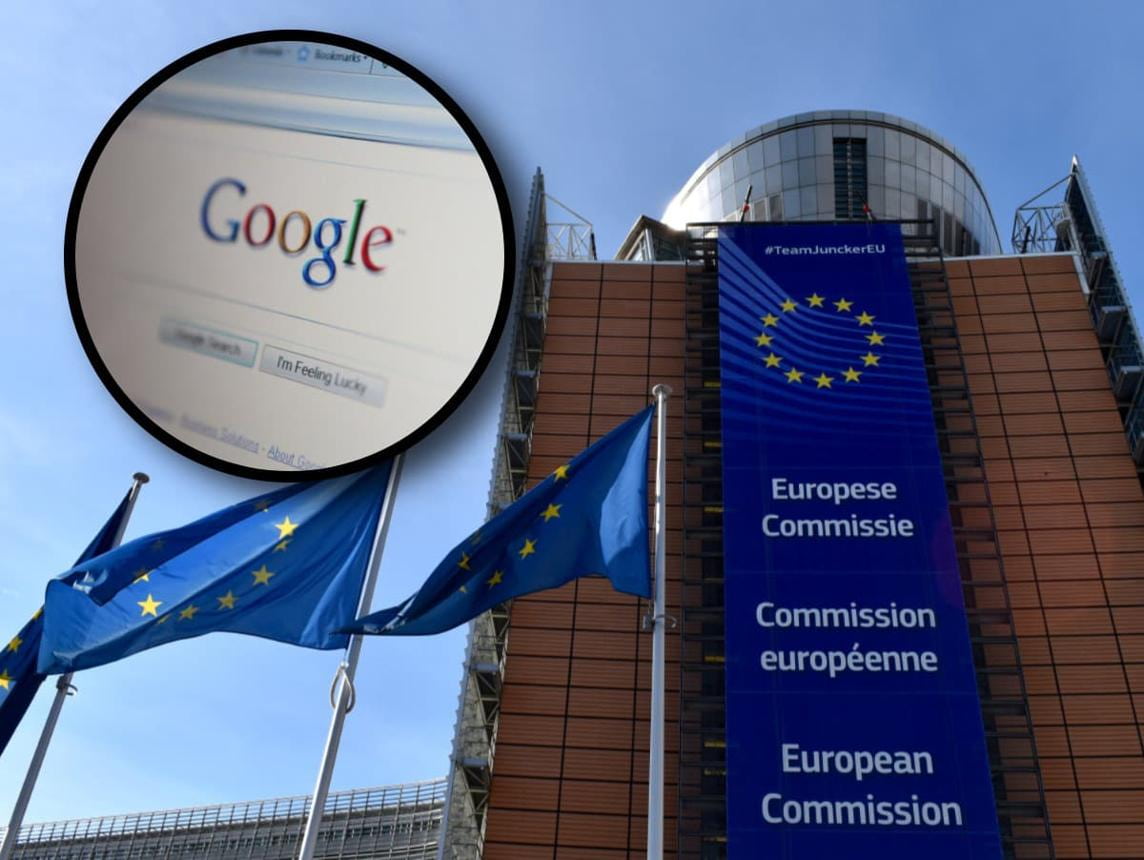
Brussels: The European Commission has handed Google its first penalty under the Digital Markets Act, an 890 million euro fine that doubles as a stress test for the whole regime. The decision, issued on 23 July, is the largest the Commission has levied under the law, and it signals how far regulators will push to reshape the habits of the biggest platforms.
The fine splits in two. A 460 million euro penalty targets self-preferencing, the Commission’s finding that Google ranked its own shopping, hotel, transport and sports services above rivals in search. A separate 430 million euro penalty addresses Google Play, where the company blocked developers from steering users toward cheaper offers on other stores or websites. Both practices, the regulator argues, tilt the field against competitors the law was written to protect.
What the number really signals
The headline figure looks modest against Alphabet’s revenue, and critics will say a fine of this size barely dents a company of that scale. The Commission clearly knows this. The sharper instrument sits in the compliance clock. Google has 60 days to change both practices or face periodic penalty payments of up to 5 percent of Alphabet’s average daily worldwide turnover. That mechanism, not the one-off fine, gives the ruling its teeth.
This is where the Digital Markets Act departs from the old antitrust playbook. Traditional cases dragged on for years, and by the time a decision landed the market had often moved on. The new law flips the logic. It sets conduct rules in advance, names the gatekeepers who must follow them, and lets Brussels move to daily penalties when a company drags its feet. Speed, in theory, replaces the slow grind of litigation.
The compliance fight ahead
Google will likely contest the decision and can take it to the EU courts. A legal challenge tests whether the Commission’s reasoning survives judicial scrutiny, and a loss in Luxembourg would blunt the law’s early momentum. The company also faces a design problem. Rewriting search rankings and app-store rules to satisfy regulators without gutting its own business invites months of argument over what genuine compliance looks like.
The stakes reach well beyond one firm. Other gatekeepers, from Apple to Amazon to Meta, are watching how firmly Brussels enforces its own rules and how quickly it escalates. A regulator that flinches teaches every platform to test the boundary. A regulator that holds the line changes the calculation across the sector.
There is a transatlantic edge as well. American officials have framed the DMA as a tax on US technology, and each large fine feeds that grievance at a tense moment for trade. The Commission insists the law applies to any gatekeeper regardless of flag, and points to European firms that fall under the same obligations. That argument will carry more weight if enforcement looks even-handed rather than aimed at Silicon Valley.
For now the ruling reads as a marker rather than a verdict. It shows the Commission willing to act, and it puts a real clock on Google’s behaviour. Whether the Digital Markets Act delivers the open platforms it promised depends less on this fine than on what happens when the 60 days run out.