August 7, 2026
LATEST
New Zealand Trade With Europe Hits a Record in Its First YearEurope Locks Chinese Medical Devices Out of Its Public TendersHow Far Can Europe and Japan Take Their New Security Pact NowSeoul’s Gamble on Europe’s Research Money Is Starting to Pay OffEurope Freezes Its Retaliatory Tariffs on the US IndefinitelyAir Passenger Rights Get Their First Big Rewrite in 20 YearsFive Joint Defence Projects Win Brussels Backing and Shared CashTobacco Tax Overhaul Stalls as Governments Block UnanimityCritical Medicines Act Heads for Final Adoption This AutumnMoldova Accession Reaches Its Foreign-Policy ChapterMercosur Tariffs Fall as Europe’s Farmers Watch the GaugesWhy Europe’s Digital Fairness Act Worries Online RetailersErasmus+ Faces a Budget Fight Before Its 2028 RelaunchMedia Freedom Rules Turn One as Enforcement LagsPlatform Work Rules Push Member States Toward a December ReckoningSingle Ticket Plan Would Let One Booking Cover Europe by RailHungary Races an August Deadline to Unlock Its Recovery FundsCapitals Race a September Deadline to Restore NatureEuro-Zone Inflation Nudges Back Up as Energy Bills ClimbRed Bull Case Tests a New Frontier in EU AntitrustNew Zealand Trade With Europe Hits a Record in Its First YearEurope Locks Chinese Medical Devices Out of Its Public TendersHow Far Can Europe and Japan Take Their New Security Pact NowSeoul’s Gamble on Europe’s Research Money Is Starting to Pay OffEurope Freezes Its Retaliatory Tariffs on the US IndefinitelyAir Passenger Rights Get Their First Big Rewrite in 20 YearsFive Joint Defence Projects Win Brussels Backing and Shared CashTobacco Tax Overhaul Stalls as Governments Block UnanimityCritical Medicines Act Heads for Final Adoption This AutumnMoldova Accession Reaches Its Foreign-Policy ChapterMercosur Tariffs Fall as Europe’s Farmers Watch the GaugesWhy Europe’s Digital Fairness Act Worries Online RetailersErasmus+ Faces a Budget Fight Before Its 2028 RelaunchMedia Freedom Rules Turn One as Enforcement LagsPlatform Work Rules Push Member States Toward a December ReckoningSingle Ticket Plan Would Let One Booking Cover Europe by RailHungary Races an August Deadline to Unlock Its Recovery FundsCapitals Race a September Deadline to Restore NatureEuro-Zone Inflation Nudges Back Up as Energy Bills ClimbRed Bull Case Tests a New Frontier in EU Antitrust
August 7, 2026
LATEST
New Zealand Trade With Europe Hits a Record in Its First YearEurope Locks Chinese Medical Devices Out of Its Public TendersHow Far Can Europe and Japan Take Their New Security Pact NowSeoul’s Gamble on Europe’s Research Money Is Starting to Pay OffEurope Freezes Its Retaliatory Tariffs on the US IndefinitelyAir Passenger Rights Get Their First Big Rewrite in 20 YearsFive Joint Defence Projects Win Brussels Backing and Shared CashTobacco Tax Overhaul Stalls as Governments Block UnanimityCritical Medicines Act Heads for Final Adoption This AutumnMoldova Accession Reaches Its Foreign-Policy ChapterMercosur Tariffs Fall as Europe’s Farmers Watch the GaugesWhy Europe’s Digital Fairness Act Worries Online RetailersErasmus+ Faces a Budget Fight Before Its 2028 RelaunchMedia Freedom Rules Turn One as Enforcement LagsPlatform Work Rules Push Member States Toward a December ReckoningSingle Ticket Plan Would Let One Booking Cover Europe by RailHungary Races an August Deadline to Unlock Its Recovery FundsCapitals Race a September Deadline to Restore NatureEuro-Zone Inflation Nudges Back Up as Energy Bills ClimbRed Bull Case Tests a New Frontier in EU AntitrustNew Zealand Trade With Europe Hits a Record in Its First YearEurope Locks Chinese Medical Devices Out of Its Public TendersHow Far Can Europe and Japan Take Their New Security Pact NowSeoul’s Gamble on Europe’s Research Money Is Starting to Pay OffEurope Freezes Its Retaliatory Tariffs on the US IndefinitelyAir Passenger Rights Get Their First Big Rewrite in 20 YearsFive Joint Defence Projects Win Brussels Backing and Shared CashTobacco Tax Overhaul Stalls as Governments Block UnanimityCritical Medicines Act Heads for Final Adoption This AutumnMoldova Accession Reaches Its Foreign-Policy ChapterMercosur Tariffs Fall as Europe’s Farmers Watch the GaugesWhy Europe’s Digital Fairness Act Worries Online RetailersErasmus+ Faces a Budget Fight Before Its 2028 RelaunchMedia Freedom Rules Turn One as Enforcement LagsPlatform Work Rules Push Member States Toward a December ReckoningSingle Ticket Plan Would Let One Booking Cover Europe by RailHungary Races an August Deadline to Unlock Its Recovery FundsCapitals Race a September Deadline to Restore NatureEuro-Zone Inflation Nudges Back Up as Energy Bills ClimbRed Bull Case Tests a New Frontier in EU Antitrust

Mackerel Catch Limits Fall 48% as Atlantic Stocks Keep Sliding

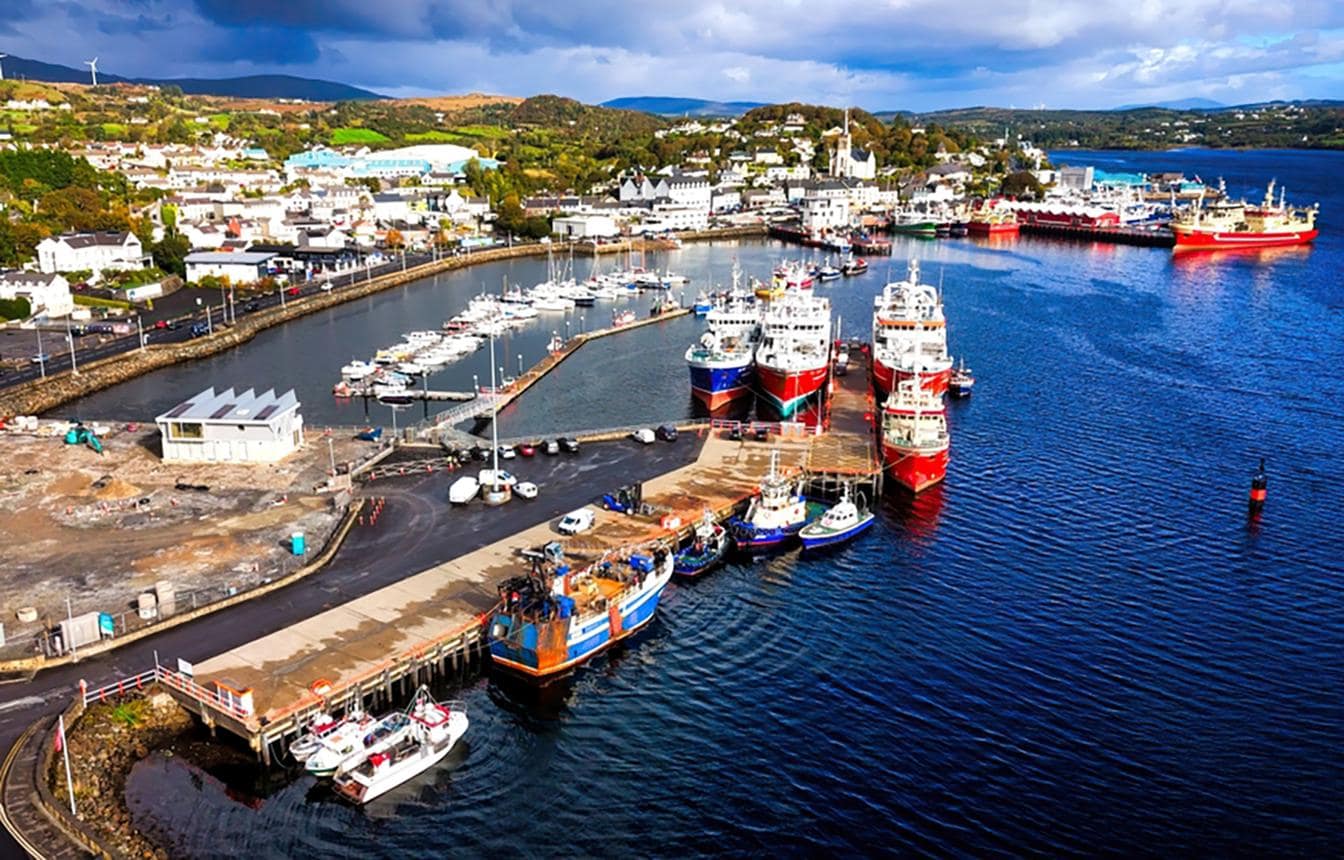
Killybegs: Skippers along the Donegal quays absorbed the hardest cut to mackerel quotas in years this week, as European Union ministers agreed to slash the 2026 catch in the North-East Atlantic by 48 percent rather than the far steeper reduction scientists had urged.

The decision leaves the bloc chasing a moving target. Four coastal parties outside the Union, the United Kingdom, Norway, the Faroe Islands and Iceland, struck their own arrangement earlier this summer and fixed a total allowable catch of 299,010 tonnes across the shared stock. That figure sits more than 120,000 tonnes above the 174,357 tonnes the International Council for the Exploration of the Sea judged sustainable, after the scientists had first floated cuts approaching 70 percent.

Brussels found itself sidelined from that four-way pact despite having chaired the consultations for years. Rather than hold to its earlier promise to follow the advice to the letter, the Council chose to align Union vessels roughly with the neighbours’ numbers, arguing that unilateral restraint would simply hand the fish to fleets fishing under looser limits.

The biology behind the argument is stark. Spawning stock biomass has collapsed from close to 13 million tonnes in 2014 to under 3 million tonnes last year, and every party at the table now fishes a thinner resource. Conservation groups warn that a 48 percent reduction, while real, still exceeds what the depleted stock can bear if the coastal states keep setting quotas above scientific ceilings.

The Commission has tried to hold a line on process. In June it welcomed control measures adopted through the North-East Atlantic Fisheries Commission while openly deploring a further unilateral quota rise by Russia, framing the mackerel dispute as a test of whether shared stocks can survive fragmented management.

For Irish, Dutch and Danish pelagic operators, the arithmetic is immediate. A near-halving of landings squeezes crews who invested in vessels sized for a bigger fishery, and processors who built export lines around steady volumes to West Africa and Asia. Some owners quietly welcome any restraint that might rebuild the stock; others fear a spiral in which each round of cuts arrives too late to matter.

Analysts covering the sector note that the Union keeps paying a diplomatic price for its own credibility. By refusing to sign the four-party deal, it protects its claim to scientific rigour, yet its ministers then track the very numbers they criticised, blurring the message. Industry reporting on the coastal-states settlement underscored how little leverage Brussels retained once the others moved first.

What happens next hinges on the autumn round of consultations, when the parties revisit sharing arrangements that have never been fully agreed. Unless they converge on a single figure anchored to the scientific ceiling, the mackerel fishery risks another year of overshoot, and ports like this one face the prospect of managing decline rather than sharing recovery.