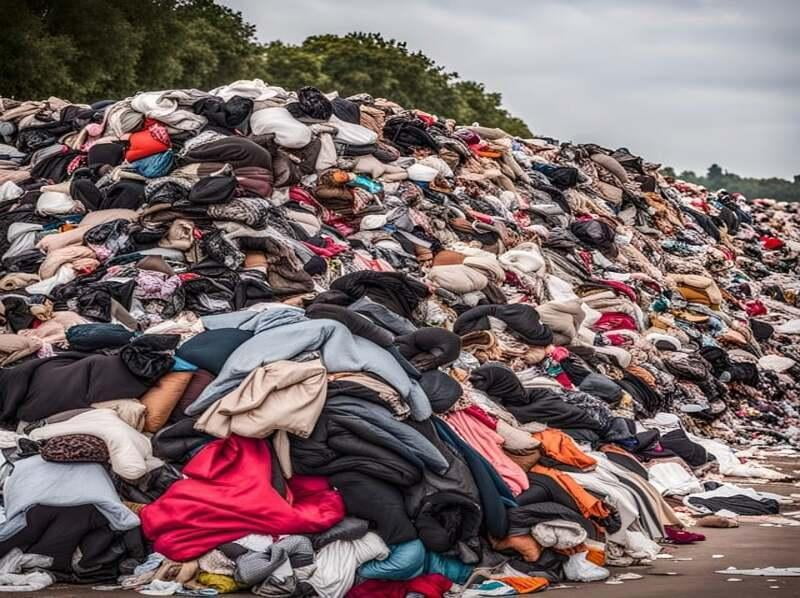
Copenhagen: A new European rule now forbids large companies from destroying unsold clothes, accessories and footwear. The ban took effect on 19 July 2026 under the Ecodesign for Sustainable Products Regulation, and it aims to steer the fashion industry away from the incinerator and the landfill.
The numbers explain the urgency. Between 4 and 9 percent of the textiles sold in Europe are thrown out before anyone ever wears them, which adds up to somewhere between 264,000 and 594,000 tonnes of unsold clothes discarded every year. Regulators decided that burning perfectly wearable garments to protect brand image had become indefensible.
Under the rule, big retailers must now find another home for stock they cannot sell. They can resell it, donate it, repair it or recycle it, and they must disclose how much they discard and why. The European Commission’s environment service frames the measure as a first hard limit on a wasteful habit that competitors quietly shared.
The obligation lands first on the largest firms. Medium-sized companies gain a reprieve until 2030, while small and micro-businesses stay exempt for now. Officials designed that staircase so that the players with the deepest logistics networks move first and build the resale and recycling channels that smaller rivals can later use.
Brands that treated destruction as inventory hygiene must rethink how they plan production. When a company cannot burn a mistake, it pays closer attention to how much it makes in the first place. Supporters expect the ban to nudge the industry toward smaller runs, smarter forecasting and a genuine market for unsold clothes.
Charities and resale platforms stand to gain. A steady flow of donated stock can widen their supply, though they warn that they cannot absorb unlimited volumes of low-quality garments. The rule therefore pushes producers to make clothes that last, because durable items find second owners while flimsy ones clog the recycling stream.
Enforcement will test the measure. Companies must report their disposal figures, and national authorities must check those disclosures against reality. Campaigners want tight auditing so that firms do not simply relabel destruction as export or quietly route stock through third parties who do the burning for them.
The ban fits a wider push to make textiles part of the circular economy. Separate rules on eco-design, recycled content and extended producer responsibility are moving through the pipeline, and repair obligations sit on the roadmap for future expansion. Together they signal that Europe wants clothing designed for a second and third life.
For shoppers the change stays mostly invisible, yet its logic is simple. A garment that took water, cotton and labour to make should not end its life in a furnace because a spreadsheet called it surplus.