August 7, 2026
LATEST
New Zealand Trade With Europe Hits a Record in Its First YearEurope Locks Chinese Medical Devices Out of Its Public TendersHow Far Can Europe and Japan Take Their New Security Pact NowSeoul’s Gamble on Europe’s Research Money Is Starting to Pay OffEurope Freezes Its Retaliatory Tariffs on the US IndefinitelyAir Passenger Rights Get Their First Big Rewrite in 20 YearsFive Joint Defence Projects Win Brussels Backing and Shared CashTobacco Tax Overhaul Stalls as Governments Block UnanimityCritical Medicines Act Heads for Final Adoption This AutumnMoldova Accession Reaches Its Foreign-Policy ChapterMercosur Tariffs Fall as Europe’s Farmers Watch the GaugesWhy Europe’s Digital Fairness Act Worries Online RetailersErasmus+ Faces a Budget Fight Before Its 2028 RelaunchMedia Freedom Rules Turn One as Enforcement LagsPlatform Work Rules Push Member States Toward a December ReckoningSingle Ticket Plan Would Let One Booking Cover Europe by RailHungary Races an August Deadline to Unlock Its Recovery FundsCapitals Race a September Deadline to Restore NatureEuro-Zone Inflation Nudges Back Up as Energy Bills ClimbRed Bull Case Tests a New Frontier in EU AntitrustNew Zealand Trade With Europe Hits a Record in Its First YearEurope Locks Chinese Medical Devices Out of Its Public TendersHow Far Can Europe and Japan Take Their New Security Pact NowSeoul’s Gamble on Europe’s Research Money Is Starting to Pay OffEurope Freezes Its Retaliatory Tariffs on the US IndefinitelyAir Passenger Rights Get Their First Big Rewrite in 20 YearsFive Joint Defence Projects Win Brussels Backing and Shared CashTobacco Tax Overhaul Stalls as Governments Block UnanimityCritical Medicines Act Heads for Final Adoption This AutumnMoldova Accession Reaches Its Foreign-Policy ChapterMercosur Tariffs Fall as Europe’s Farmers Watch the GaugesWhy Europe’s Digital Fairness Act Worries Online RetailersErasmus+ Faces a Budget Fight Before Its 2028 RelaunchMedia Freedom Rules Turn One as Enforcement LagsPlatform Work Rules Push Member States Toward a December ReckoningSingle Ticket Plan Would Let One Booking Cover Europe by RailHungary Races an August Deadline to Unlock Its Recovery FundsCapitals Race a September Deadline to Restore NatureEuro-Zone Inflation Nudges Back Up as Energy Bills ClimbRed Bull Case Tests a New Frontier in EU Antitrust
August 7, 2026
LATEST
New Zealand Trade With Europe Hits a Record in Its First YearEurope Locks Chinese Medical Devices Out of Its Public TendersHow Far Can Europe and Japan Take Their New Security Pact NowSeoul’s Gamble on Europe’s Research Money Is Starting to Pay OffEurope Freezes Its Retaliatory Tariffs on the US IndefinitelyAir Passenger Rights Get Their First Big Rewrite in 20 YearsFive Joint Defence Projects Win Brussels Backing and Shared CashTobacco Tax Overhaul Stalls as Governments Block UnanimityCritical Medicines Act Heads for Final Adoption This AutumnMoldova Accession Reaches Its Foreign-Policy ChapterMercosur Tariffs Fall as Europe’s Farmers Watch the GaugesWhy Europe’s Digital Fairness Act Worries Online RetailersErasmus+ Faces a Budget Fight Before Its 2028 RelaunchMedia Freedom Rules Turn One as Enforcement LagsPlatform Work Rules Push Member States Toward a December ReckoningSingle Ticket Plan Would Let One Booking Cover Europe by RailHungary Races an August Deadline to Unlock Its Recovery FundsCapitals Race a September Deadline to Restore NatureEuro-Zone Inflation Nudges Back Up as Energy Bills ClimbRed Bull Case Tests a New Frontier in EU AntitrustNew Zealand Trade With Europe Hits a Record in Its First YearEurope Locks Chinese Medical Devices Out of Its Public TendersHow Far Can Europe and Japan Take Their New Security Pact NowSeoul’s Gamble on Europe’s Research Money Is Starting to Pay OffEurope Freezes Its Retaliatory Tariffs on the US IndefinitelyAir Passenger Rights Get Their First Big Rewrite in 20 YearsFive Joint Defence Projects Win Brussels Backing and Shared CashTobacco Tax Overhaul Stalls as Governments Block UnanimityCritical Medicines Act Heads for Final Adoption This AutumnMoldova Accession Reaches Its Foreign-Policy ChapterMercosur Tariffs Fall as Europe’s Farmers Watch the GaugesWhy Europe’s Digital Fairness Act Worries Online RetailersErasmus+ Faces a Budget Fight Before Its 2028 RelaunchMedia Freedom Rules Turn One as Enforcement LagsPlatform Work Rules Push Member States Toward a December ReckoningSingle Ticket Plan Would Let One Booking Cover Europe by RailHungary Races an August Deadline to Unlock Its Recovery FundsCapitals Race a September Deadline to Restore NatureEuro-Zone Inflation Nudges Back Up as Energy Bills ClimbRed Bull Case Tests a New Frontier in EU Antitrust

China’s Wind Turbines Test Europe’s Subsidy Rules

Brussels: Europe wants far more wind power, and it wants that power without handing China control of yet another clean-energy supply chain. Those two goals now collide inside a single case. The European Commission has opened an in-depth investigation into Goldwind, one of China’s largest turbine makers, under the bloc’s Foreign Subsidies Regulation.

The Foreign Subsidies Regulation gives Brussels a tool it lacked for decades: the power to probe whether state money from outside the bloc distorts its internal market. Investigators found early indications that Goldwind may have benefited from Chinese subsidies that let it undercut European rivals, and they escalated the review to a full inquiry rather than close the file.

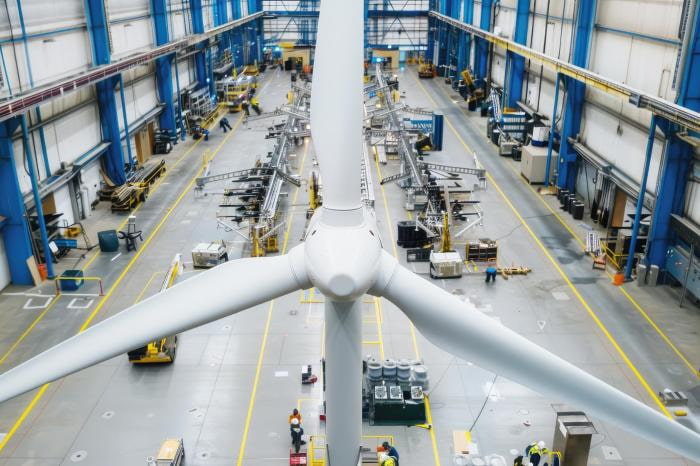
The stakes reach well beyond one company. Europe’s own turbine manufacturers have warned for years that they cannot match prices set by heavily backed Chinese competitors, even as the bloc plans a massive build-out of offshore and onshore wind. If cheap imports capture that market, Europe risks trading dependence on Russian gas for dependence on Chinese hardware, precisely the outcome its economic security agenda aims to prevent.

Goldwind has pushed back hard. The company brought proceedings before the EU General Court in May, challenging the information requests the Commission issued during the probe, and a judge ruled on interim measures in July. Beijing has called the investigation unfair and warned that it could sour the wider commercial relationship between the two sides.

The dispute fits a widening pattern. Brussels has already deployed the subsidy tool against Chinese firms in rail, solar panels and security scanners, and it layered tariffs on Chinese electric vehicles last year. China has answered with its own duties on European brandy and curbs on medical-device contracts, turning what began as technical trade defence into a broad test of nerve.

Supporters of the probe argue that fair competition demands it. They say Europe cannot preach open markets while allowing subsidised imports to hollow out strategic industries, and that the regulation simply applies to foreign firms the same discipline European companies already face on state aid at home.

Critics counter that the tool risks raising costs and slowing the green transition. Cheaper turbines, they note, help Europe hit climate targets faster, and a drawn-out fight with Beijing could invite retaliation against European exporters who depend on Chinese demand. The Commission must weigh industrial resilience against the price of clean power.

The outcome will signal how seriously Europe means its de-risking rhetoric. If the Goldwind inquiry ends in binding remedies, Brussels will have shown that foreign subsidies carry real consequences. If it fades into compromise, the bloc’s newest economic-security weapon will look sharper on paper than in practice.