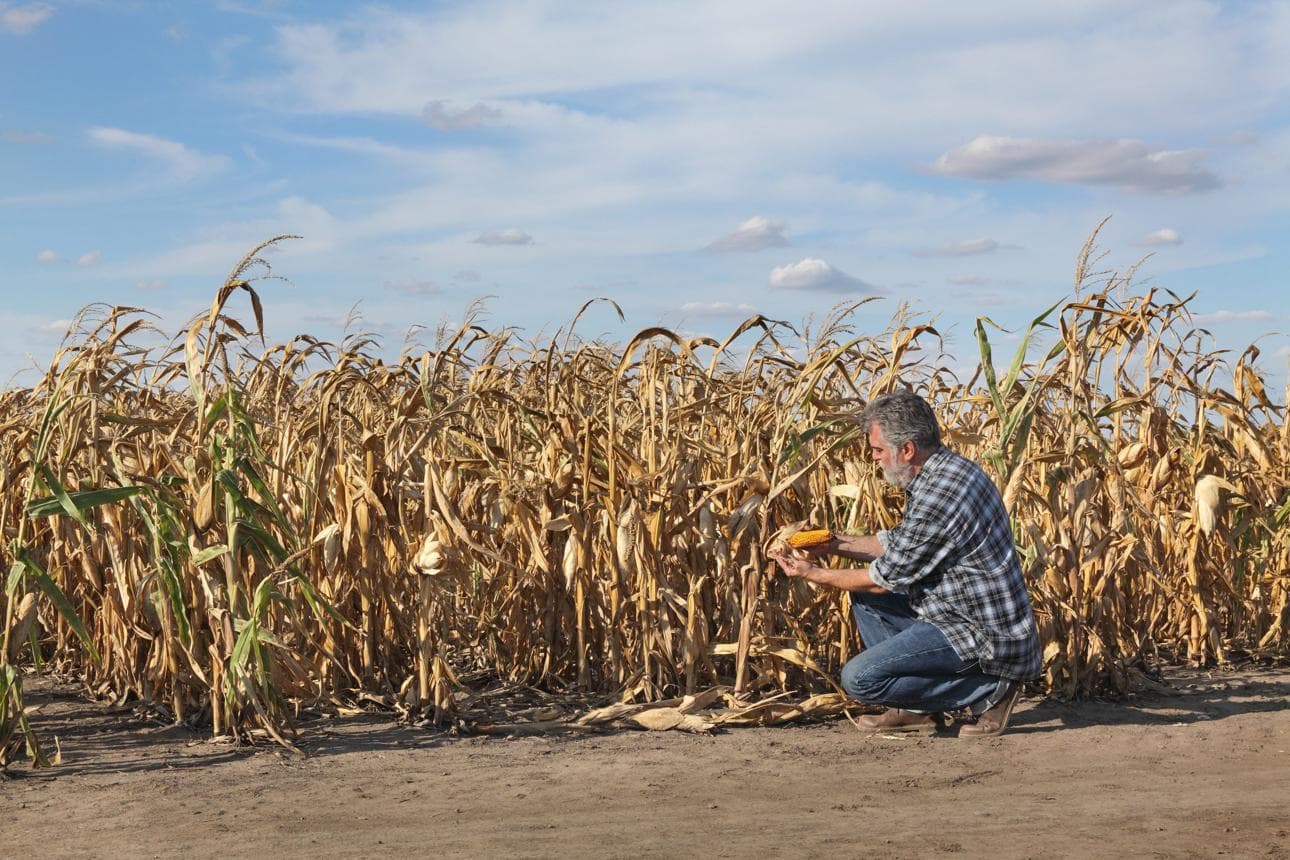
Farmers across the continent are staring at a smaller harvest, and the figures reaching Brussels this week spell out why. The Commission’s own crop analysts have trimmed their outlook for grain maize, sunflowers and soybeans after a run of severe heatwaves and dwindling soil moisture punished fields from the Danube basin to the Atlantic coast.
The latest bulletin from the Commission’s Joint Research Centre reports that summer crops have absorbed the worst blow. Crop yields have fallen hardest across Hungary, where both winter and summer harvests took damage, and forecasters flag mounting stress in Romania, Bulgaria and northern Italy. Eastern Belgium, Luxembourg, south-western Germany, Austria, Slovakia and Czechia also logged parched topsoil.
High temperatures forced many winter and spring crops to mature early, so growers cut them before the grain could fill. That premature ripening props up the calendar but quietly erodes the tonnage that eventually reaches silos and export terminals.
The timing worries Brussels because the bloc still trades on a promise of stable food supply. Europe exports wheat yet imports animal feed, and a thinner maize and sunflower crop squeezes livestock farmers who already pay more for energy and fertiliser. Weaker oilseed output also nudges up the price of the vegetable oil that fills supermarket shelves.
Animal health opens a second front. On 30 July the Commission redrew its African swine fever zoning map through a fresh implementing regulation, adjusting the restricted areas that decide where pig farmers may move animals and sell meat. Outbreaks in domestic pigs and wild boar climbed through 2025, and the Commission’s food-safety service keeps tightening the rules to stop the virus crossing borders.
Together the two pressures hand the Commission a familiar dilemma. Its agricultural crisis reserve, worth roughly 450 million euros a year, exists to cushion exactly these shocks, yet farm groups argue the pot rarely stretches far enough once a drought bites several member states at once.
The debate now feeds straight into the fight over the next long-term budget, where the Commission wants to fold farm spending into a single national-plan fund. Growers fear a merged pot will blur the safety net when the weather turns hostile, while budget hawks reply that flexible funds move faster in a crisis than rigid subsidy lines.
Commission officials say they will track the harvest week by week and release emergency support only if yields slide further. Farmers watching cracked soil and early stubble will measure that pledge against the size of the cheque that follows.