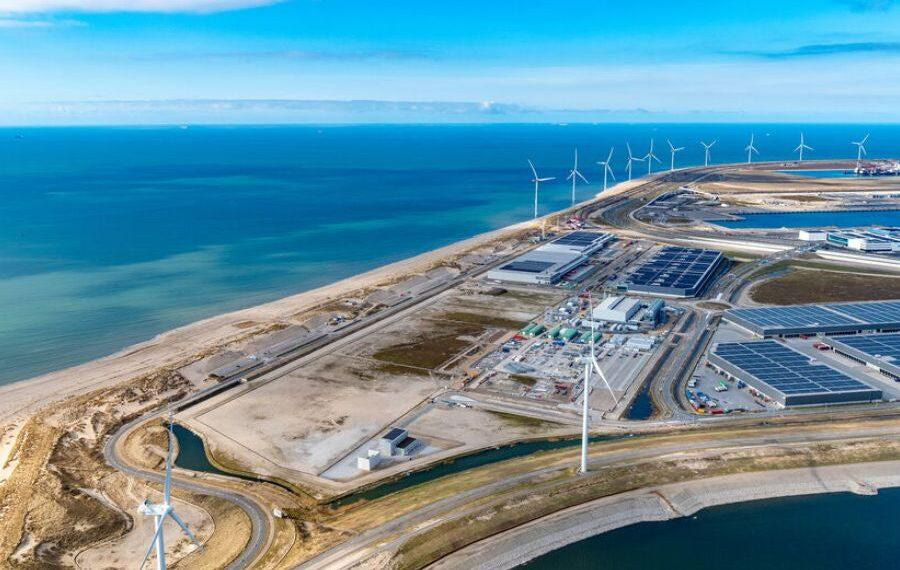
Groningen: The European Union switched on a new rulebook for its gas market on 5 August, and the change reaches far beyond the pipelines that once made this Dutch province synonymous with natural gas. The revamped framework, part of the bloc’s decarbonised gas package, steers suppliers toward hydrogen and biomethane and hands household customers sharper tools to challenge their bills.
The Commission timed the gas rules to follow fresh electricity-market provisions that took effect on 17 July, knitting the two halves of Europe’s energy system into a single reform. Officials argue that the sequencing matters, because cleaner power and cleaner gas now advance on the same calendar rather than drifting apart.
At the centre sits a simple wager. Brussels wants fossil gas to give way, molecule by molecule, to renewable and low-carbon alternatives. The new rules build a market structure for hydrogen, set access conditions for the networks that will carry it, and require operators to plan for a system where methane no longer dominates. The Commission spelled out the details in its July announcement.
Consumers gain concrete rights. Suppliers must offer clearer contracts, customers can switch providers faster, and stronger mechanisms let households dispute charges. Energy-poor families, a swelling constituency after years of price shocks, receive explicit safeguards that member states must now write into national law.
Industry reads the shift with a mix of relief and caution. Grid operators welcome the certainty of a defined hydrogen framework, yet they warn that infrastructure lags ambition. Pipelines built for methane cannot simply carry hydrogen, and the investment bill runs into tens of billions. Biomethane producers, meanwhile, spot an opening to scale up, provided permitting keeps pace.
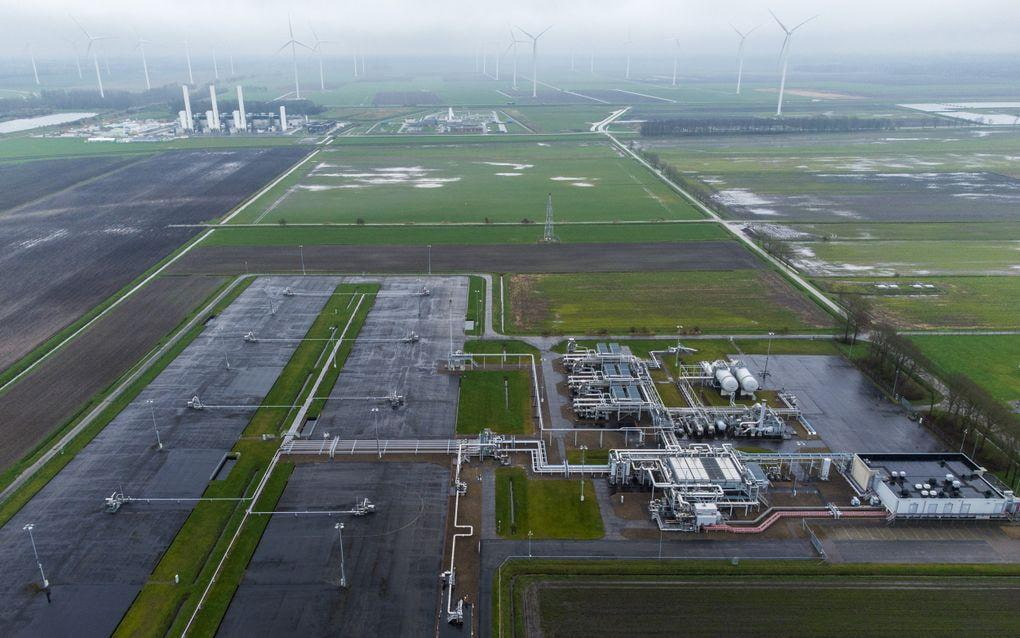
The politics cut close to home in Groningen. The province pumped gas for decades before earthquakes and public anger forced the field to close, and residents here treat every energy promise with scepticism. A framework that privileges clean gases carries symbolic weight in a place that already paid the social cost of the old model.
Critics question whether the timetable matches reality. Hydrogen still costs too much, and biomethane volumes stay modest against total demand. Analysts caution that rules alone cannot conjure supply, and that Europe still leans on imported liquefied natural gas to survive the winter. The gas rules set a direction; they do not guarantee arrival.
The Commission counters that no market forms without a legal foundation, and that the new architecture finally gives investors the signal they lacked. It also ties the reform to security, arguing that home-grown clean gases blunt the leverage of external suppliers.
Member states now shoulder the harder task. They must transpose the provisions, stand up regulators for hydrogen networks, and align national plans with the wider drive toward a 2040 climate goal. The gas rules mark a beginning rather than a finish, and the coming winter will test how quickly the rhetoric becomes reality.