Rotterdam: European competition officials have cleared a fresh wave of Dutch state aid for clean energy, approving a 780 million euro scheme to bankroll renewable hydrogen and, days earlier, a 290 million euro package for sustainable aviation fuel. The decisions, taken in early August, show the Commission bending its subsidy rules to speed industrial decarbonisation while trying to keep the single market fair.
The larger measure will support production of roughly 40,000 tonnes of renewable hydrogen a year, made by splitting water with electricity from wind and solar. Officials expect the plants to avoid about 324,000 tonnes of carbon dioxide annually, and the money marks the third such Dutch scheme the Commission has waved through since 2023.
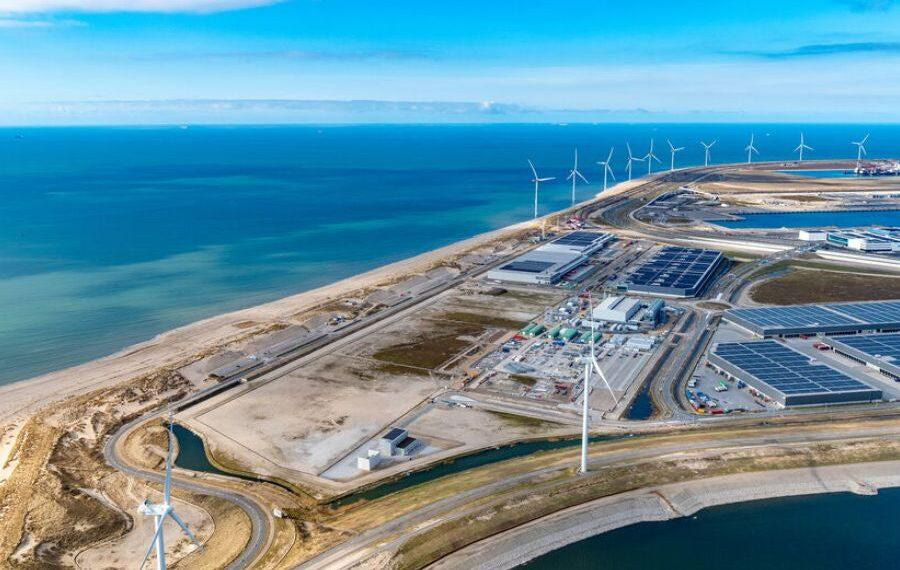
Rotterdam sits at the centre of the bet. The port already handles a large share of Europe’s energy imports, and its industrial cluster wants to swap fossil feedstocks for hydrogen made on the coast. State aid clearance lets the Dutch government pour public cash into that shift without breaching the bloc’s ban on subsidies that distort competition.
The competition authority assessed the schemes under a framework tied to the bloc’s clean-industry agenda, which loosens the usual limits for projects that cut emissions. Regulators still checked that the aid was necessary, proportionate and open to a range of bidders, conditions meant to stop governments from simply handing money to national champions.
The aviation-fuel package works differently. One strand funds investment in production capacity, while another covers the engineering and design studies that projects need before they break ground. Airlines face tightening mandates to blend greener fuel into their tanks, and the Dutch scheme aims to build supply at home rather than leaning on imports.
Critics of the subsidy race warn that deep-pocketed members can outspend poorer ones, tilting the field regardless of the rules. The Commission counters that its review exists precisely to police that risk, and it points to conditions on access and transparency as proof that clearance is not a rubber stamp. The reasoning behind each decision lands on the competition department’s latest-news page.
For the companies involved, approval unlocks money that has often sat frozen while lawyers argued over compatibility with EU law. Developers can now sign contracts and order electrolysers, and the coming months will test whether the projects move from paper to steel. Analysts tracking the hydrogen build-out have flagged the Dutch trio as a bellwether for the wider European push, a point echoed in trade coverage of the latest clearance.
The broader question is how long the bloc can keep widening its tolerance for subsidies without eroding the discipline that holds the single market together. For now, the Commission is betting that a cleaner economy justifies the risk, and Rotterdam’s docks are where that bet gets built.