Brussels: The European Commission is racing to finish the machinery behind the EU deforestation regulation before its main obligations bite on 30 December 2026, after member states approved a targeted revision in December 2025 that both delayed and simplified the law. The deforestation regulation will bar cattle, cocoa, coffee, palm oil, rubber, soy and wood from the single market unless companies prove the goods are free of forest destruction.
Large operators and traders must comply from 30 December 2026, while micro and small enterprises and individuals gain a further six months, until 30 June 2027. The staggered start reflects a deal that pushed the original 2024 launch back by two full years amid warnings from industry and trading partners that they were not ready.
Brussels insists the delay buys readiness rather than retreat, and it is rebuilding the digital backbone that will carry the flood of due-diligence statements.
The Commission is committed to a workable deforestation regulation that protects the world’s forests without imposing disproportionate burdens on operators, farmers and trading partners.
The Commission relaunched its central Information System in June 2026 and is adding functions through the summer so firms can file the geolocation data that proves where their commodities were grown. It also published a draft delegated act adjusting the list of products in scope, proposing to add items such as soluble coffee, certain palm oil derivatives and frozen cattle tongues.
How hard a company is checked depends on where its goods originate. The Commission’s country benchmarking sorts every nation into three tiers:
- Four high-risk countries: Belarus, Myanmar, North Korea and Russia.
- Around 50 standard-risk countries, including Indonesia, Malaysia and Brazil.
- About 140 low-risk countries, among them all EU member states, the United States, China and Australia.
Operators sourcing from low-risk states enjoy lighter due-diligence duties and face fewer inspections, while high-risk origins draw the closest scrutiny. The Commission has promised a first review of that classification during 2026 to reflect the latest deforestation data.
Full technical detail sits in the Commission’s guidance on deforestation-free products, which sets out the traceability that importers must now build into their supply chains.
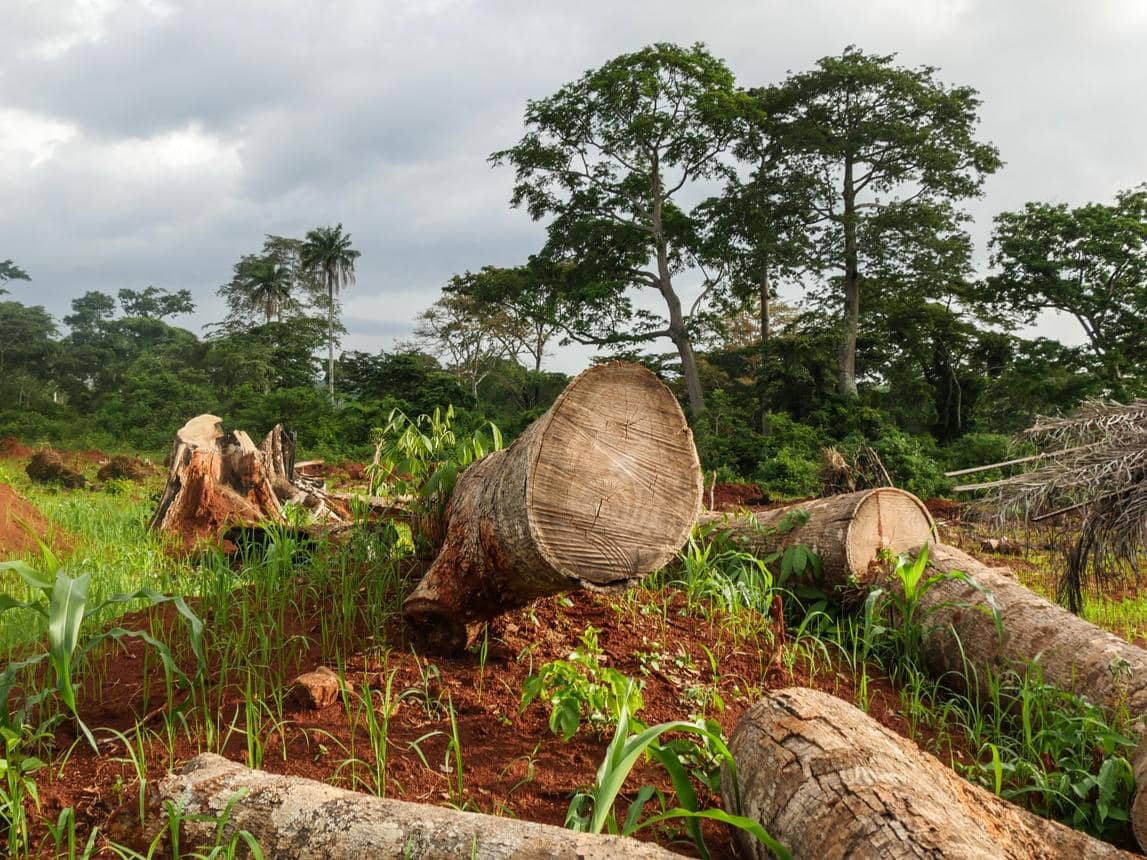
The regulation grew out of the EU’s claim that its own consumption drives a slice of global forest loss, from Amazon soy fields to West African cocoa belts. By forcing companies to map their supply chains down to the plot of land, lawmakers hope to strip deforestation out of European shelves and, they argue, nudge producer countries toward tighter forest governance.
Environmental groups fear the December 2025 simplification watered down reporting and handed too many producers an easy low-risk pass, while some exporting governments still call the rules an unfair trade barrier. The Council defended the changes when it signed off the revision, framing them as a way to keep the deforestation regulation enforceable. Its account of the targeted revision stresses that the core deforestation ban survives intact even as the paperwork shrinks.