August 10, 2026
LATEST
Why South Korea Bet Its Research Future on Europe’s ProgrammeEurope and Japan Deepen Their Economic Alliance as Rivals CircleFive Joint Defence Projects Launch Europe’s Military ShieldElectrification Plan Aims to Make Europe First Electro ContinentHorizon Europe Budget Fight Heats Up as Ministers Push BackGoogle’s DMA Fine Sets Off a Transatlantic Tariff ClashTwenty New University Alliances Join Erasmus for Two YearsForeign Subsidies Case Puts Temu in the EU’s SightsVan Tachographs Now Mandatory for Cross-Border FleetsStress Test Exposes Gaps in Euro Area Bank DefencesEurope Bets on a Gulf Partnership Before the Riyadh SummitWhy the Atlantic Route Now Runs Through MauritaniaKyiv and Chisinau Advance as the EU Accession Talks Gather PaceEurope’s New Digital Border System Beds In After a Rocky RolloutBrussels Mounts Its Largest Wildfire Response as the Fires SpreadRetail Spending Slipped in June, Wrong-Footing EconomistsHeatwave Warning Puts Brussels on Alert for Vulnerable GroupsKANAL’s 230 Million Euro Museum Sets a November Opening DatePension Savings Rules Get a Reset as the EU Scraps the 1% CapMedicine Shortages Move to the Heart of Europe’s Pharma ResetWhy South Korea Bet Its Research Future on Europe’s ProgrammeEurope and Japan Deepen Their Economic Alliance as Rivals CircleFive Joint Defence Projects Launch Europe’s Military ShieldElectrification Plan Aims to Make Europe First Electro ContinentHorizon Europe Budget Fight Heats Up as Ministers Push BackGoogle’s DMA Fine Sets Off a Transatlantic Tariff ClashTwenty New University Alliances Join Erasmus for Two YearsForeign Subsidies Case Puts Temu in the EU’s SightsVan Tachographs Now Mandatory for Cross-Border FleetsStress Test Exposes Gaps in Euro Area Bank DefencesEurope Bets on a Gulf Partnership Before the Riyadh SummitWhy the Atlantic Route Now Runs Through MauritaniaKyiv and Chisinau Advance as the EU Accession Talks Gather PaceEurope’s New Digital Border System Beds In After a Rocky RolloutBrussels Mounts Its Largest Wildfire Response as the Fires SpreadRetail Spending Slipped in June, Wrong-Footing EconomistsHeatwave Warning Puts Brussels on Alert for Vulnerable GroupsKANAL’s 230 Million Euro Museum Sets a November Opening DatePension Savings Rules Get a Reset as the EU Scraps the 1% CapMedicine Shortages Move to the Heart of Europe’s Pharma Reset
August 10, 2026
LATEST
Why South Korea Bet Its Research Future on Europe’s ProgrammeEurope and Japan Deepen Their Economic Alliance as Rivals CircleFive Joint Defence Projects Launch Europe’s Military ShieldElectrification Plan Aims to Make Europe First Electro ContinentHorizon Europe Budget Fight Heats Up as Ministers Push BackGoogle’s DMA Fine Sets Off a Transatlantic Tariff ClashTwenty New University Alliances Join Erasmus for Two YearsForeign Subsidies Case Puts Temu in the EU’s SightsVan Tachographs Now Mandatory for Cross-Border FleetsStress Test Exposes Gaps in Euro Area Bank DefencesEurope Bets on a Gulf Partnership Before the Riyadh SummitWhy the Atlantic Route Now Runs Through MauritaniaKyiv and Chisinau Advance as the EU Accession Talks Gather PaceEurope’s New Digital Border System Beds In After a Rocky RolloutBrussels Mounts Its Largest Wildfire Response as the Fires SpreadRetail Spending Slipped in June, Wrong-Footing EconomistsHeatwave Warning Puts Brussels on Alert for Vulnerable GroupsKANAL’s 230 Million Euro Museum Sets a November Opening DatePension Savings Rules Get a Reset as the EU Scraps the 1% CapMedicine Shortages Move to the Heart of Europe’s Pharma ResetWhy South Korea Bet Its Research Future on Europe’s ProgrammeEurope and Japan Deepen Their Economic Alliance as Rivals CircleFive Joint Defence Projects Launch Europe’s Military ShieldElectrification Plan Aims to Make Europe First Electro ContinentHorizon Europe Budget Fight Heats Up as Ministers Push BackGoogle’s DMA Fine Sets Off a Transatlantic Tariff ClashTwenty New University Alliances Join Erasmus for Two YearsForeign Subsidies Case Puts Temu in the EU’s SightsVan Tachographs Now Mandatory for Cross-Border FleetsStress Test Exposes Gaps in Euro Area Bank DefencesEurope Bets on a Gulf Partnership Before the Riyadh SummitWhy the Atlantic Route Now Runs Through MauritaniaKyiv and Chisinau Advance as the EU Accession Talks Gather PaceEurope’s New Digital Border System Beds In After a Rocky RolloutBrussels Mounts Its Largest Wildfire Response as the Fires SpreadRetail Spending Slipped in June, Wrong-Footing EconomistsHeatwave Warning Puts Brussels on Alert for Vulnerable GroupsKANAL’s 230 Million Euro Museum Sets a November Opening DatePension Savings Rules Get a Reset as the EU Scraps the 1% CapMedicine Shortages Move to the Heart of Europe’s Pharma Reset

Medicine Shortages Move to the Heart of Europe’s Pharma Reset

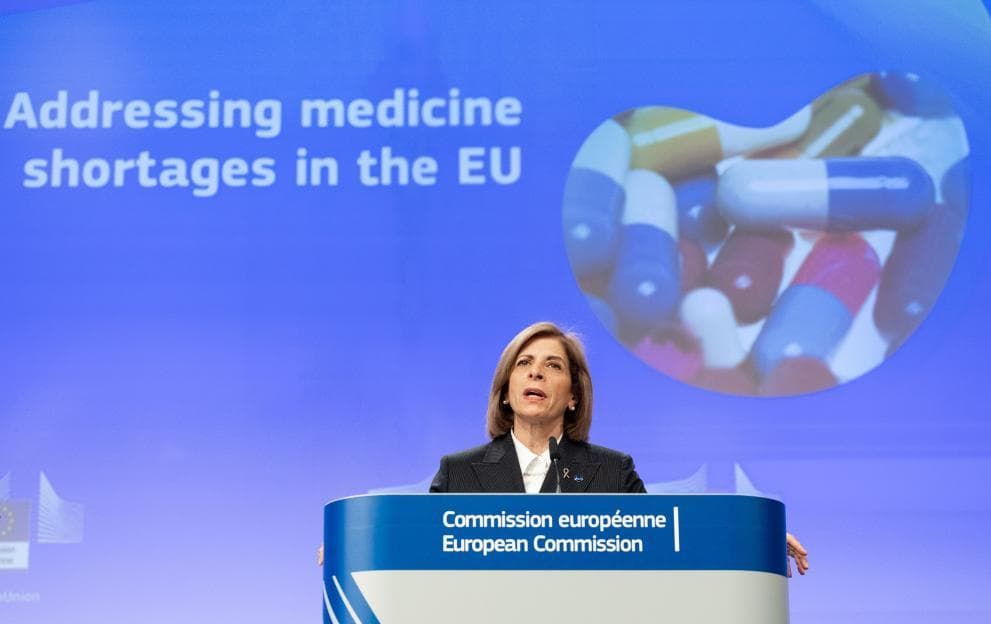
Brussels: The European Union is closing in on final adoption of its biggest medicines overhaul in two decades, and medicine shortages sit at the heart of the deal. Negotiators from the Parliament and the Council published compromise texts on 6 March 2026, and the institutions expect to formally adopt the pharmaceutical regulation and directive in the autumn, clearing the way for publication in the Official Journal.

The reform rewrites rules that have governed how companies develop, authorise and supply medicines across the bloc since 2004. The Commission first proposed the package in April 2023, and member states and lawmakers spent more than two years bargaining over its balance between industry incentives and patient access before reaching political agreement in December 2025.

Chronic medicine shortages drove much of the urgency. Patients across Europe have faced gaps in antibiotics, painkillers and cancer treatments in recent winters, and governments pressed Brussels to build stronger early-warning and stockpiling duties into law. The package obliges companies to notify regulators earlier when supplies run low and to draw up shortage prevention plans for critical products.

Crucially, the parts of the reform aimed at medicine shortages will bite before the rest. Most of the new framework applies 24 months after entry into force, pointing to full effect around 2028, but several supply-security provisions kick in earlier so regulators can act on scarce medicines without waiting for the transition to finish. The European Medicines Agency sets out the reform’s scope on its pharmaceutical legislation page.

The package trims the standard period of regulatory data protection that shields a new medicine from generic competition, then lets companies earn extra protection back by launching a product in all member states or by meeting unmet medical needs. Brussels designed that carrot-and-stick structure to spread new treatments beyond the wealthiest markets, where smaller countries often wait years for launches.

The reform also reshapes the EMA’s scientific committees, eases rules for paediatric and rare-disease medicines, and pushes drugmakers toward greener manufacturing. The Commission describes the effort as the most far-reaching modernisation of Europe’s pharmaceutical rules in a generation on its public health portal.

Industry groups warn that shorter data protection could push research investment toward the United States and Asia, while patient advocates counter that faster, wider access matters more than incentives that never reached most Europeans. Both sides agree the fight over medicine shortages exposed how fragile the bloc’s supply chains had become.

Once lawmakers give final approval, member states will have two years to rewrite their national laws to match. The transition runs to 2028, but officials insist the rules targeting medicine shortages will reach pharmacies sooner, giving patients the clearest early sign that Europe’s long pharmaceutical negotiation has finally produced results.