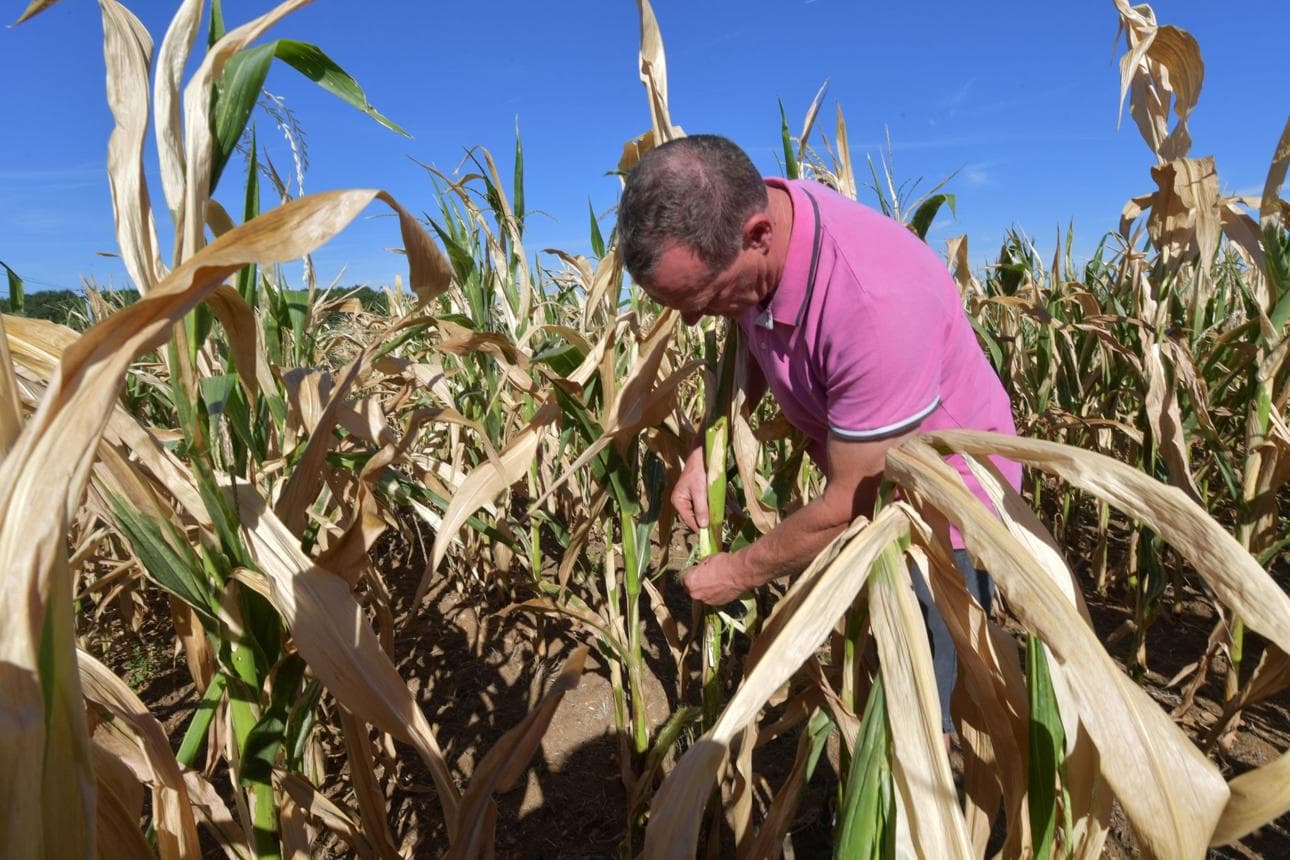
Farmers across the continent are tallying the damage from a punishing summer, and the harvest losses now emerging point to one of the weakest grain years in recent memory. Relentless heat, thin rainfall and wildfires have combined to strip fields that looked promising only weeks ago.
The European Commission has already trimmed its forecasts, cutting expected output for sunflowers by 7 percent, grain maize by 6 percent and potatoes by 3 percent. Its short-term outlook still called the sector resilient, yet analysts gathered much of that data before the worst of the heat scorched farms.
National figures read far more grimly. France expects its smallest maize crop in half a century. Romania has watched more than a million hectares of maize wither in the fields. Spain’s agriculture ministry now sees the cereal harvest sliding from 24 million tonnes last year to little more than 18.5 million.
The pattern reflects a climate that keeps testing Europe’s food system. Large stretches of the continent took in below-average rain between April and June, then endured a run of record temperatures that dried soils and set forests alight. Crops that survive one shock rarely shrug off the next.
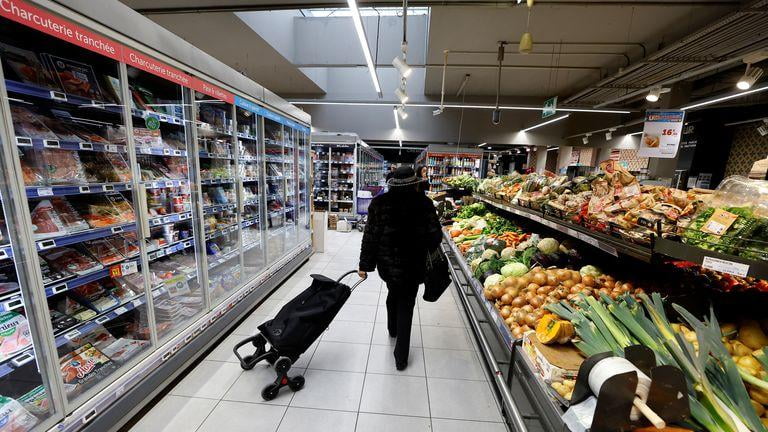
The economic chain reaction worries officials most. Weaker harvests push up the cost of grain, animal feed and cooking oils, and those increases ripple through to supermarket shelves. Low-income households, which spend a larger share of their budgets on food, feel the squeeze first and hardest.
Farm groups want more than sympathy from Brussels. They are pressing for faster access to the crisis reserve, flexibility on income support payments, sturdier water infrastructure and quicker approval of drought-resistant seed varieties. Each demand reflects a season that has exhausted the usual buffers.
The trouble does not end at the farm gate. Livestock producers who rely on maize and sunflower for feed now face steeper bills just as households trim spending, while traders warn that a thin European crop leaves the bloc leaning harder on imports and more exposed to swings in global markets. Grain shipments disrupted by conflict abroad only sharpen that risk. Insurers, meanwhile, are recalculating premiums after a third difficult summer in four years, and the rising cost of cover threatens to price smaller farms out of protection altogether.
Food security has climbed the agenda as the losses mount. Officials increasingly describe climate change as one of the gravest threats to European food sovereignty, and the harvest losses of 2026 hand that warning a hard, countable edge that policymakers can no longer file away for another year.