European shoppers spent less in June, and the dip caught forecasters off guard. Eurostat’s first estimate, published on 6 August, showed the volume of retail trade fell by 0.3% in the euro area and by 0.1% across the wider European Union compared with May.
Analysts had penciled in a small rise of about 0.1%, so the reversal landed as a mild surprise. It points to households growing more cautious even as headline inflation has eased from its earlier peaks.
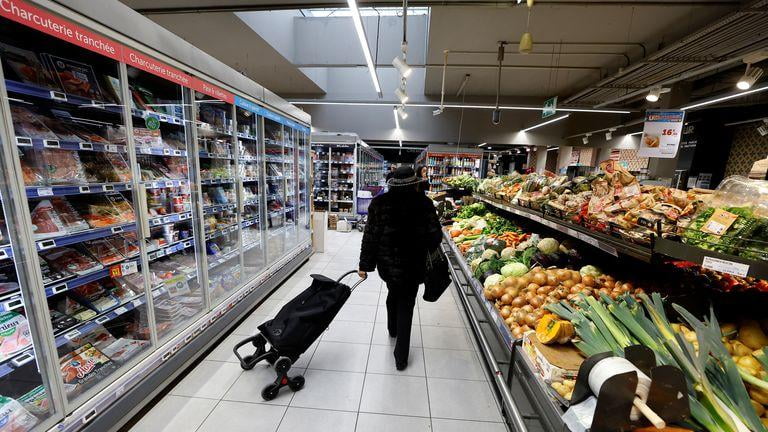
The breakdown tells the clearer story. Sales of food, drinks and tobacco slid 0.5% in the euro area, and non-food goods excluding fuel dropped 0.4%. Only automotive fuel bucked the trend, climbing 1.5% at specialised stores as summer driving picked up.
The year-on-year picture stayed positive but thin. Compared with June 2025, calendar-adjusted retail sales rose 0.7% in the euro area and 1.2% in the EU, a pace that barely outruns the cost of living for many families.
Economists read the monthly softness as a sign that real wage gains have yet to translate into confident spending. Consumers are still repairing budgets stretched by two years of high prices, and they steer money toward essentials and services rather than shop-floor purchases.
Part of the shift reflects where money now goes. Europeans have tilted spending toward travel, dining and other services since pandemic restrictions ended, and that rotation leaves less for the goods that dominate retail indices. Online sales have also matured, so the monthly swings in bricks-and-mortar volumes matter less than they once did.
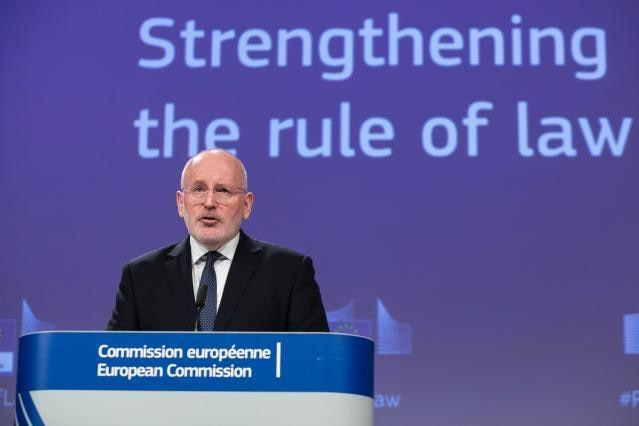
The figures feed the debate at the European Central Bank, which has held its policy rate steady while it waits for firmer evidence on demand. Weak retail numbers strengthen the case of officials who worry that tight money is cooling the recovery faster than intended.
Retailers, meanwhile, face a tricky autumn. Thin volumes squeeze margins already pressured by higher energy and logistics costs, and they leave little room for the discounting that usually lifts late-summer trade.
The divergence within Europe complicates the reading. Southern economies leaning on summer tourism have held up better than northern markets where manufacturing has stalled, so a single euro-area figure hides very different local moods. Policymakers will want several more months of data before they judge whether June marked a wobble or the start of a slower stretch.
Eurostat will publish revised figures next month, and a single soft reading rarely settles the argument. For now the June data suggests Europe’s consumers remain guarded, and the long-promised spending rebound is taking its time to arrive. The full release sits on the Eurostat website, with wider context from Eunews.