September 24, 2026
LATEST
Rights Groups Test the EU Civil Society Strategy as Pressure MountsJudges Weigh EU Staff Nationality Quotas in Parliament Hiring CasePatents Could Unlock Startup Loans Under the European Innovation ActHungary EU Funds Move Closer as Commission Lifts Rule of Law FreezeMinisters Debate Chips Act 2.0 as Europe Pushes for More Chip OutputMontenegro Waits on a Dutch Vote as the EU Enlargement Sprint StallsGlobal Green Bond Initiative Bets on Private Money for PartnersEurope Draws a Line on Strait of Hormuz Tolls as Iran Talks ResumeStrasbourg Lets the European Defence Fund Pay for Tests in UkraineCSAM Regulation Talks Hinge on Scanning Private MessagesGoogle GDPR Fine of €403 Million Puts Location Data on TrialMFF 2028-2034 Talks Stall as Ministers Hold Their Red LinesBanks Contest Key Parts of the EU Banking Competitiveness PlanEMFAF Amendment Offers Fishers Simpler Rules and a Quota Cut CushionTeachers Trail Pupils as AI in Education Reports Expose a Training GapMacron Presses Brussels to Relax EU Fuel Quality Rules Before WinterEurostat Fuel Prices Jump 23.8 Per Cent as Diesel Leads August RiseData Centre Rating Scheme Puts Energy and Water Use on the EU RecordEU Indo-Pacific Security Partnerships Move From Paper to the SeaEU Thailand Free Trade Agreement Heads to Phuket for Its Final ThirdRights Groups Test the EU Civil Society Strategy as Pressure MountsJudges Weigh EU Staff Nationality Quotas in Parliament Hiring CasePatents Could Unlock Startup Loans Under the European Innovation ActHungary EU Funds Move Closer as Commission Lifts Rule of Law FreezeMinisters Debate Chips Act 2.0 as Europe Pushes for More Chip OutputMontenegro Waits on a Dutch Vote as the EU Enlargement Sprint StallsGlobal Green Bond Initiative Bets on Private Money for PartnersEurope Draws a Line on Strait of Hormuz Tolls as Iran Talks ResumeStrasbourg Lets the European Defence Fund Pay for Tests in UkraineCSAM Regulation Talks Hinge on Scanning Private MessagesGoogle GDPR Fine of €403 Million Puts Location Data on TrialMFF 2028-2034 Talks Stall as Ministers Hold Their Red LinesBanks Contest Key Parts of the EU Banking Competitiveness PlanEMFAF Amendment Offers Fishers Simpler Rules and a Quota Cut CushionTeachers Trail Pupils as AI in Education Reports Expose a Training GapMacron Presses Brussels to Relax EU Fuel Quality Rules Before WinterEurostat Fuel Prices Jump 23.8 Per Cent as Diesel Leads August RiseData Centre Rating Scheme Puts Energy and Water Use on the EU RecordEU Indo-Pacific Security Partnerships Move From Paper to the SeaEU Thailand Free Trade Agreement Heads to Phuket for Its Final Third
September 24, 2026
LATEST
Rights Groups Test the EU Civil Society Strategy as Pressure MountsJudges Weigh EU Staff Nationality Quotas in Parliament Hiring CasePatents Could Unlock Startup Loans Under the European Innovation ActHungary EU Funds Move Closer as Commission Lifts Rule of Law FreezeMinisters Debate Chips Act 2.0 as Europe Pushes for More Chip OutputMontenegro Waits on a Dutch Vote as the EU Enlargement Sprint StallsGlobal Green Bond Initiative Bets on Private Money for PartnersEurope Draws a Line on Strait of Hormuz Tolls as Iran Talks ResumeStrasbourg Lets the European Defence Fund Pay for Tests in UkraineCSAM Regulation Talks Hinge on Scanning Private MessagesGoogle GDPR Fine of €403 Million Puts Location Data on TrialMFF 2028-2034 Talks Stall as Ministers Hold Their Red LinesBanks Contest Key Parts of the EU Banking Competitiveness PlanEMFAF Amendment Offers Fishers Simpler Rules and a Quota Cut CushionTeachers Trail Pupils as AI in Education Reports Expose a Training GapMacron Presses Brussels to Relax EU Fuel Quality Rules Before WinterEurostat Fuel Prices Jump 23.8 Per Cent as Diesel Leads August RiseData Centre Rating Scheme Puts Energy and Water Use on the EU RecordEU Indo-Pacific Security Partnerships Move From Paper to the SeaEU Thailand Free Trade Agreement Heads to Phuket for Its Final ThirdRights Groups Test the EU Civil Society Strategy as Pressure MountsJudges Weigh EU Staff Nationality Quotas in Parliament Hiring CasePatents Could Unlock Startup Loans Under the European Innovation ActHungary EU Funds Move Closer as Commission Lifts Rule of Law FreezeMinisters Debate Chips Act 2.0 as Europe Pushes for More Chip OutputMontenegro Waits on a Dutch Vote as the EU Enlargement Sprint StallsGlobal Green Bond Initiative Bets on Private Money for PartnersEurope Draws a Line on Strait of Hormuz Tolls as Iran Talks ResumeStrasbourg Lets the European Defence Fund Pay for Tests in UkraineCSAM Regulation Talks Hinge on Scanning Private MessagesGoogle GDPR Fine of €403 Million Puts Location Data on TrialMFF 2028-2034 Talks Stall as Ministers Hold Their Red LinesBanks Contest Key Parts of the EU Banking Competitiveness PlanEMFAF Amendment Offers Fishers Simpler Rules and a Quota Cut CushionTeachers Trail Pupils as AI in Education Reports Expose a Training GapMacron Presses Brussels to Relax EU Fuel Quality Rules Before WinterEurostat Fuel Prices Jump 23.8 Per Cent as Diesel Leads August RiseData Centre Rating Scheme Puts Energy and Water Use on the EU RecordEU Indo-Pacific Security Partnerships Move From Paper to the SeaEU Thailand Free Trade Agreement Heads to Phuket for Its Final Third

EU Thailand Free Trade Agreement Heads to Phuket for Its Final Third

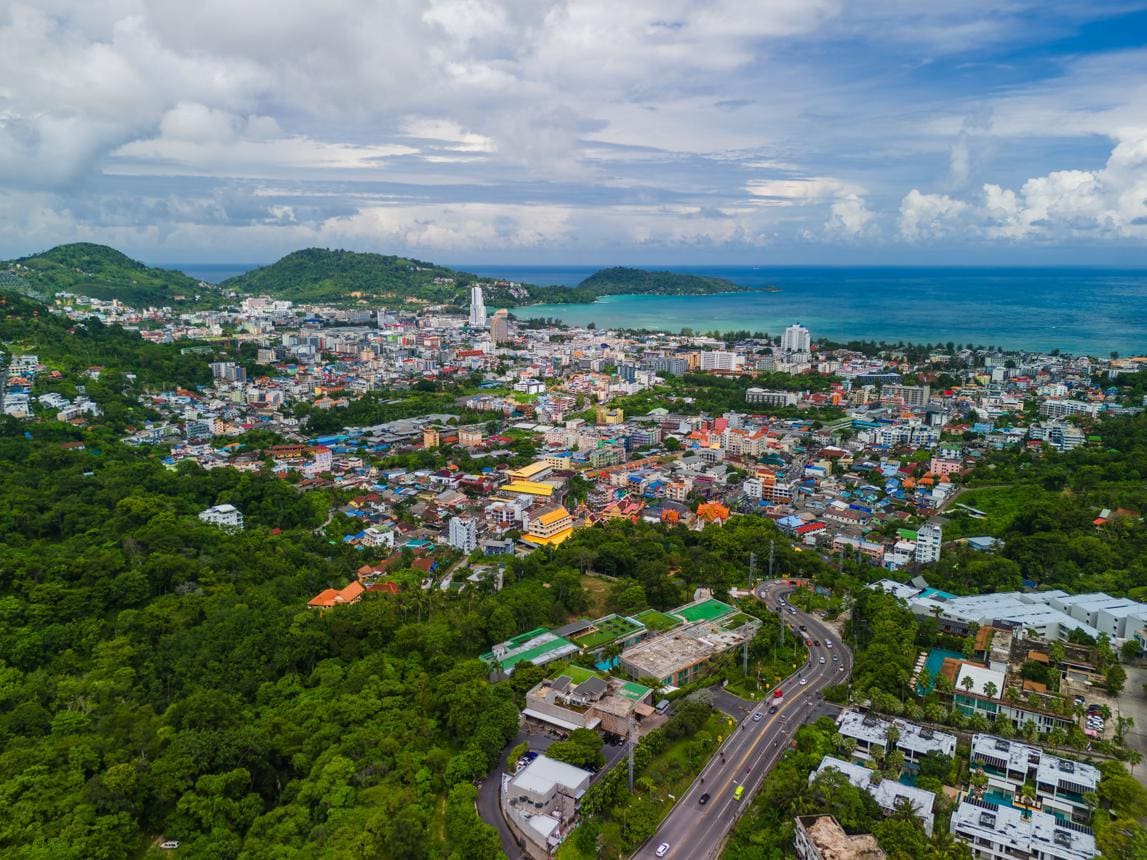
Phuket: The EU Thailand free trade agreement enters what both governments describe as its closing round when negotiators gather on this island on 28 September 2026, and the choice of venue says something about Bangkok’s ambitions. Phuket lives from European tourists, European tour operators and European demand for the seafood, rubber and processed food that pass through the southern ports, so holding the tenth round here is a reminder of how much of the Thai economy is already tied to a market it still reaches without preferential terms.

The arithmetic of the negotiation is well documented. Of the agreement’s 24 chapters, 15 were closed by the end of the ninth round in Brussels in late June, when competition and subsidies, state-owned enterprises, dispute settlement and institutional provisions were settled alongside an automotive annex and a customs assistance protocol. What remains is the hardest third, covering agricultural and industrial market access, government procurement, energy and raw materials, digital trade, services and investment, and intellectual property. Deputy Prime Minister and Commerce Minister Suphajee Suthumpun said on 18 September that Thailand wants every remaining chapter closed during the week of talks in Phuket, after which lawyers would scrub the text before it goes to the Cabinet and parliament, a sequence she estimated at about a year.

The Thai case for speed rests on growth. A study by the Institute of Future Studies for Development cited by the government projects that the agreement could lift Thai GDP by 1.28 per cent and exports by 2.8 per cent, enough, in the minister’s framing, to move an economy growing at barely above 2 per cent into the 3 per cent range. Two-way trade reached about 45 billion dollars in 2025, with Thailand running a surplus of close to 8 billion dollars, which makes the European Union its fourth-largest trading partner behind China, the United States and Japan.

For Brussels the calculation is different and in some respects more demanding. Negotiations first opened in 2013, were frozen after the 2014 coup and only resumed in 2023, so the Commission has had a decade to watch Vietnam, which has enjoyed preferential access under its own agreement since 2020, capture investment that might otherwise have gone to Thailand. That gap gives European negotiators leverage on procurement, geographical indications and dairy access, where Thai tariffs remain high.

The most delicate element is one that rarely appears in communiqués. Suphajee has openly pitched the EU Thailand free trade agreement as a magnet for American, Chinese and Japanese manufacturers who would set up in Thailand to reach the European market at preferential rates. That is exactly the scenario that makes European industry nervous about rules of origin. If the Phuket round produces origin rules loose enough to let Chinese components be assembled into tariff-free exports, the deal will face a harder ratification fight in the European Parliament than the negotiating teams expect.

Sustainability commitments add another layer. Thai exporters are already being told to prepare for the EU Forced Labour Regulation, which applies from December 2027, and for the deforestation rules that affect rubber. A modern trade and sustainable development chapter with enforceable commitments would give European legislators a reason to support the text, while also protecting Thai firms that have invested in compliance from competitors that have not.

Sensitive products are the place where a September finish could still slip. Both sides agreed in Brussels to park the most sensitive tariff lines and move first on goods where gains are mutual, a sensible method that nonetheless leaves rice, sugar, poultry and European dairy for the final hours. Trade Commissioner Maroš Šefčovič and Agriculture Commissioner Christophe Hansen gave the talks political cover in June, and a visit by Šefčovič before or during the round would signal that the Commission believes closure is within reach.

Whatever happens in Phuket, the EU Thailand free trade agreement already illustrates how the Union’s Asian trade agenda has changed. Deals are no longer only about tariffs but about supply chains, investment screening and labour standards, and the partners who close them fastest are those willing to treat those questions as part of the bargain rather than an obstacle to it.