September 24, 2026
LATEST
Rights Groups Test the EU Civil Society Strategy as Pressure MountsJudges Weigh EU Staff Nationality Quotas in Parliament Hiring CasePatents Could Unlock Startup Loans Under the European Innovation ActHungary EU Funds Move Closer as Commission Lifts Rule of Law FreezeMinisters Debate Chips Act 2.0 as Europe Pushes for More Chip OutputMontenegro Waits on a Dutch Vote as the EU Enlargement Sprint StallsGlobal Green Bond Initiative Bets on Private Money for PartnersEurope Draws a Line on Strait of Hormuz Tolls as Iran Talks ResumeStrasbourg Lets the European Defence Fund Pay for Tests in UkraineCSAM Regulation Talks Hinge on Scanning Private MessagesGoogle GDPR Fine of €403 Million Puts Location Data on TrialMFF 2028-2034 Talks Stall as Ministers Hold Their Red LinesBanks Contest Key Parts of the EU Banking Competitiveness PlanEMFAF Amendment Offers Fishers Simpler Rules and a Quota Cut CushionTeachers Trail Pupils as AI in Education Reports Expose a Training GapMacron Presses Brussels to Relax EU Fuel Quality Rules Before WinterEurostat Fuel Prices Jump 23.8 Per Cent as Diesel Leads August RiseData Centre Rating Scheme Puts Energy and Water Use on the EU RecordEU Indo-Pacific Security Partnerships Move From Paper to the SeaEU Thailand Free Trade Agreement Heads to Phuket for Its Final ThirdRights Groups Test the EU Civil Society Strategy as Pressure MountsJudges Weigh EU Staff Nationality Quotas in Parliament Hiring CasePatents Could Unlock Startup Loans Under the European Innovation ActHungary EU Funds Move Closer as Commission Lifts Rule of Law FreezeMinisters Debate Chips Act 2.0 as Europe Pushes for More Chip OutputMontenegro Waits on a Dutch Vote as the EU Enlargement Sprint StallsGlobal Green Bond Initiative Bets on Private Money for PartnersEurope Draws a Line on Strait of Hormuz Tolls as Iran Talks ResumeStrasbourg Lets the European Defence Fund Pay for Tests in UkraineCSAM Regulation Talks Hinge on Scanning Private MessagesGoogle GDPR Fine of €403 Million Puts Location Data on TrialMFF 2028-2034 Talks Stall as Ministers Hold Their Red LinesBanks Contest Key Parts of the EU Banking Competitiveness PlanEMFAF Amendment Offers Fishers Simpler Rules and a Quota Cut CushionTeachers Trail Pupils as AI in Education Reports Expose a Training GapMacron Presses Brussels to Relax EU Fuel Quality Rules Before WinterEurostat Fuel Prices Jump 23.8 Per Cent as Diesel Leads August RiseData Centre Rating Scheme Puts Energy and Water Use on the EU RecordEU Indo-Pacific Security Partnerships Move From Paper to the SeaEU Thailand Free Trade Agreement Heads to Phuket for Its Final Third
September 24, 2026
LATEST
Rights Groups Test the EU Civil Society Strategy as Pressure MountsJudges Weigh EU Staff Nationality Quotas in Parliament Hiring CasePatents Could Unlock Startup Loans Under the European Innovation ActHungary EU Funds Move Closer as Commission Lifts Rule of Law FreezeMinisters Debate Chips Act 2.0 as Europe Pushes for More Chip OutputMontenegro Waits on a Dutch Vote as the EU Enlargement Sprint StallsGlobal Green Bond Initiative Bets on Private Money for PartnersEurope Draws a Line on Strait of Hormuz Tolls as Iran Talks ResumeStrasbourg Lets the European Defence Fund Pay for Tests in UkraineCSAM Regulation Talks Hinge on Scanning Private MessagesGoogle GDPR Fine of €403 Million Puts Location Data on TrialMFF 2028-2034 Talks Stall as Ministers Hold Their Red LinesBanks Contest Key Parts of the EU Banking Competitiveness PlanEMFAF Amendment Offers Fishers Simpler Rules and a Quota Cut CushionTeachers Trail Pupils as AI in Education Reports Expose a Training GapMacron Presses Brussels to Relax EU Fuel Quality Rules Before WinterEurostat Fuel Prices Jump 23.8 Per Cent as Diesel Leads August RiseData Centre Rating Scheme Puts Energy and Water Use on the EU RecordEU Indo-Pacific Security Partnerships Move From Paper to the SeaEU Thailand Free Trade Agreement Heads to Phuket for Its Final ThirdRights Groups Test the EU Civil Society Strategy as Pressure MountsJudges Weigh EU Staff Nationality Quotas in Parliament Hiring CasePatents Could Unlock Startup Loans Under the European Innovation ActHungary EU Funds Move Closer as Commission Lifts Rule of Law FreezeMinisters Debate Chips Act 2.0 as Europe Pushes for More Chip OutputMontenegro Waits on a Dutch Vote as the EU Enlargement Sprint StallsGlobal Green Bond Initiative Bets on Private Money for PartnersEurope Draws a Line on Strait of Hormuz Tolls as Iran Talks ResumeStrasbourg Lets the European Defence Fund Pay for Tests in UkraineCSAM Regulation Talks Hinge on Scanning Private MessagesGoogle GDPR Fine of €403 Million Puts Location Data on TrialMFF 2028-2034 Talks Stall as Ministers Hold Their Red LinesBanks Contest Key Parts of the EU Banking Competitiveness PlanEMFAF Amendment Offers Fishers Simpler Rules and a Quota Cut CushionTeachers Trail Pupils as AI in Education Reports Expose a Training GapMacron Presses Brussels to Relax EU Fuel Quality Rules Before WinterEurostat Fuel Prices Jump 23.8 Per Cent as Diesel Leads August RiseData Centre Rating Scheme Puts Energy and Water Use on the EU RecordEU Indo-Pacific Security Partnerships Move From Paper to the SeaEU Thailand Free Trade Agreement Heads to Phuket for Its Final Third

Kazakhstan Critical Raw Materials Test Europe’s Next Budget Choices

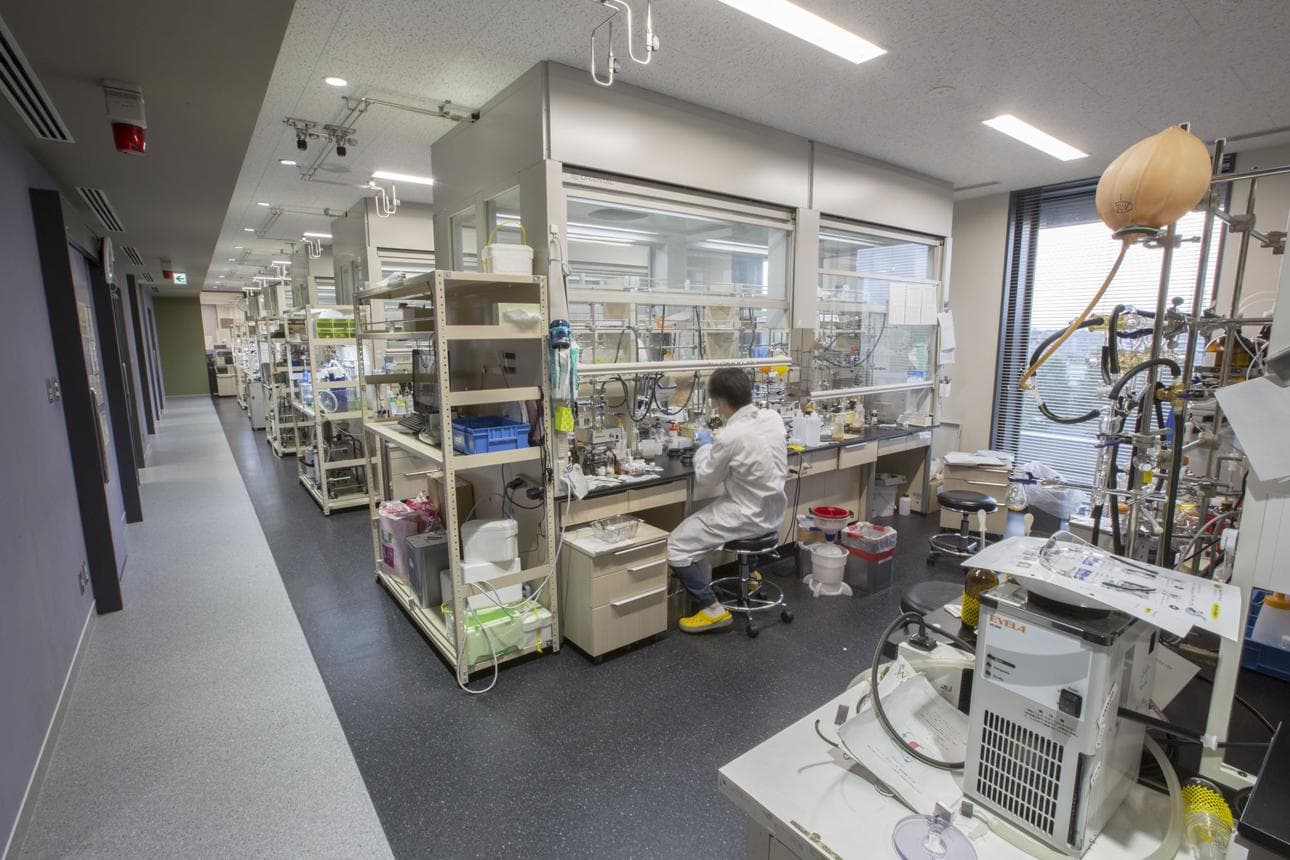
Öskemen: The metallurgical works of East Kazakhstan have processed rare metals since the Soviet period, which is why Kazakhstan critical raw materials feature so prominently in Europe’s plans for the energy transition. The question facing Brussels this autumn is whether it will pay for processing capacity in partner countries or continue to treat them mainly as sources of ore.

The timing is set by the budget. EU governments are in the final stretch of negotiations over the 2028 to 2034 Multiannual Financial Framework, and a deal before the end of 2026 would allow the relevant laws to be adopted in 2027 and money to flow from January 2028. The proposed Global Europe instrument, the main vehicle for external partnerships, will decide how much finance exists for mineral projects abroad. Researchers at the Munich Security Conference have argued that unless it contains dedicated funding for processing, strategic minerals projects will keep competing with every other external priority and will stay underfunded.

The policy debate over Kazakhstan critical raw materials makes the country a useful test case. The EU and Kazakhstan signed a memorandum on raw materials, batteries and renewable hydrogen in November 2022, and the first EU Central Asia summit in Samarkand in April 2025 put critical minerals and connectivity at the centre of a Global Gateway package of around twelve billion euro. Kazakhstan hosts one of the external strategic projects selected under the Critical Raw Materials Act. Yet among the six such projects in Brazil, Kazakhstan, Madagascar, Malawi, South Africa and Zambia, four focus on extraction with processing done elsewhere, and the two that include local processing are reportedly behind schedule and still waiting for promised capital and technical support.

That gap matters for climate policy as much as for industrial strategy. Wind turbines, grid equipment, heat pumps and electric vehicle batteries all depend on processed minerals and permanent magnets, and China dominates rare earth separation, graphite processing and large parts of cobalt and nickel refining. Beijing’s temporary suspension of its expanded export controls is due to expire in mid-November, and EU climate commissioner Wopke Hoekstra warned at the end of August that dependence on China will make the green transition more expensive. A Europe that cannot secure refined inputs will find its 2030 and 2040 climate targets harder and costlier to reach.

On Kazakhstan critical raw materials, as elsewhere, producer countries have made their terms clear. Astana, like Jakarta or Lusaka, wants investment in local refining, technology transfer and a fair sharing of financial risk rather than a role at the bottom of the value chain. The economics are on their side, since the value of mined ore is small next to that of the batteries and machines built from it. If the EU does not meet that demand, partners will look for investors who will, and China has shown for two decades that it is willing to finance processing in exchange for offtake.

Logistics are the other constraint. Kazakh output reaching Europe must either cross Russia or use the Trans-Caspian corridor through the Caspian Sea, Azerbaijan and Georgia, where the EU has pledged Global Gateway money for ports and rail. Without that route, Kazakhstan critical raw materials remain exposed to a transit country Europe is sanctioning.

The budget talks will therefore decide more than spending lines. They will show whether the Union is prepared to share the risk of building refineries in Central Asia, or whether diversification remains an objective stated in strategies and summit communiqués. For the plants around Öskemen, and for Europe’s energy transition in 2026 and after, the difference is substantial.