November 2, 2026
LATEST
Seveso III Directive Case Sends Finland To EU Court Of JusticeFDI Screening Notifications Climb 40 percent To 667 Cases Across EU In 2025Driving Licence Rules Bring 15-Year Validity, Digital OptionHousehold Electricity Prices Ease To €0.28 As Ireland LeadsSecuritisation Reform Deal Cuts Bank Capital Charges Across EUWestern Balkans Growth Plan Payments Move Slowly as Reforms LagNairobi Tests EU Kenya Global Gateway Promise on Public TrustEuro Area Inflation Splits As Italy Surges And Berlin EasesCustoms Data Hub Plan Puts Lille At Heart Of EU ReformEU Space Act Gets A Fresh Council Text From DublinDefence Readiness Roadmap 2030 Faces Its End Of 2026 MilestonesBlack Sea Fishing Quotas For 2027 Keep Sprat Limit UnchangedTobacco Tax Directive Faces ECOFIN Showdown With Sweden Next WeekInternational Climate Finance Hits 32.3 Billion Before COP31ByteDance Gatekeeper Appeal Meets A Hostile Court AdviserRail Passenger Travel Hits A Record 457 Billion KilometresMarket Stability Reserve Deal Raises ETS Cancellation Cap To 700M2035 Car CO2 Target Softened By Two Committees Before ENVI VoteEastern Libya Migration Funding Puts EU Border Policy Under StrainThailand EU FTA Talks Hinge On Public Procurement And Farm AccessSeveso III Directive Case Sends Finland To EU Court Of JusticeFDI Screening Notifications Climb 40 percent To 667 Cases Across EU In 2025Driving Licence Rules Bring 15-Year Validity, Digital OptionHousehold Electricity Prices Ease To €0.28 As Ireland LeadsSecuritisation Reform Deal Cuts Bank Capital Charges Across EUWestern Balkans Growth Plan Payments Move Slowly as Reforms LagNairobi Tests EU Kenya Global Gateway Promise on Public TrustEuro Area Inflation Splits As Italy Surges And Berlin EasesCustoms Data Hub Plan Puts Lille At Heart Of EU ReformEU Space Act Gets A Fresh Council Text From DublinDefence Readiness Roadmap 2030 Faces Its End Of 2026 MilestonesBlack Sea Fishing Quotas For 2027 Keep Sprat Limit UnchangedTobacco Tax Directive Faces ECOFIN Showdown With Sweden Next WeekInternational Climate Finance Hits 32.3 Billion Before COP31ByteDance Gatekeeper Appeal Meets A Hostile Court AdviserRail Passenger Travel Hits A Record 457 Billion KilometresMarket Stability Reserve Deal Raises ETS Cancellation Cap To 700M2035 Car CO2 Target Softened By Two Committees Before ENVI VoteEastern Libya Migration Funding Puts EU Border Policy Under StrainThailand EU FTA Talks Hinge On Public Procurement And Farm Access

Mercosur Ratification Reaches Bundestag As Tariff Cuts Already Apply

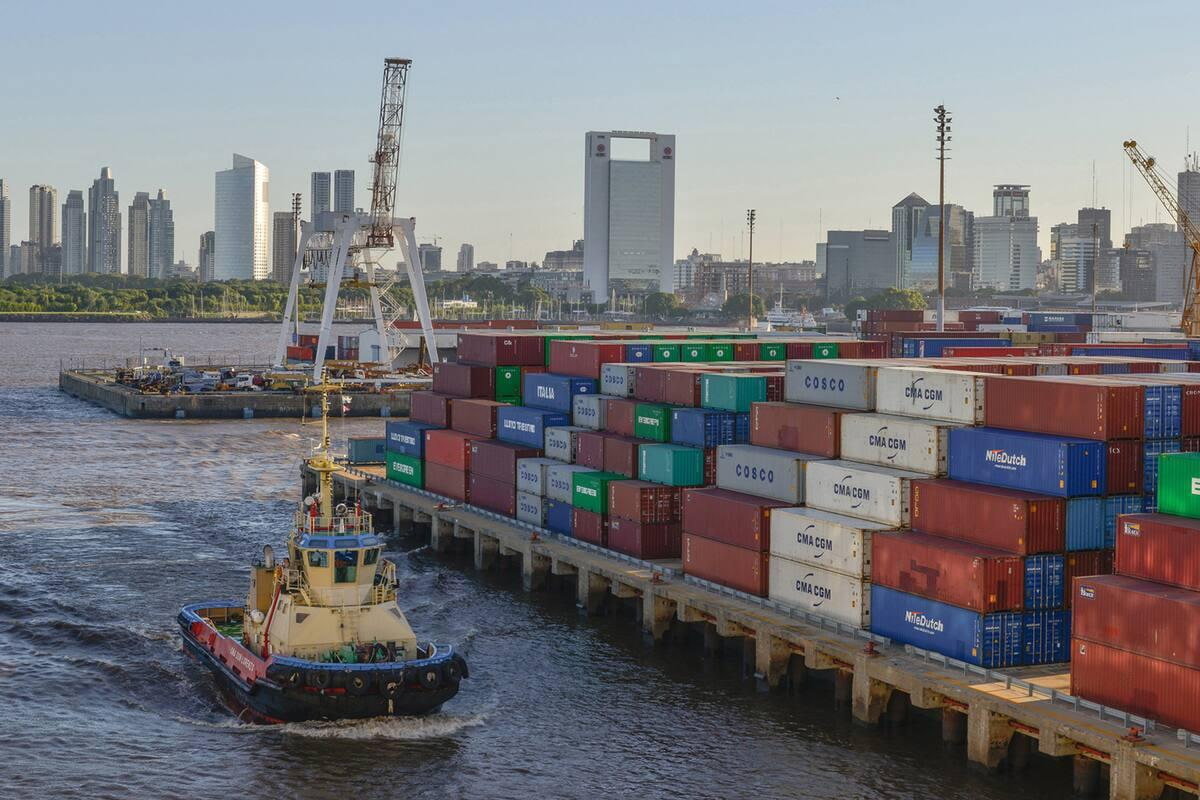
Berlin: Mercosur ratification entered a new stage on 7 October 2026, when the Bundestag held the first reading of the government bill approving the EU-Mercosur partnership agreement and sent it to committees, with the Foreign Affairs Committee in the lead. The debate matters because the EU already applies the trade side of the deal while the full agreement still waits for national approval.

The timeline shows how unusual this path is. EU and Mercosur leaders signed the agreement on 17 January 2026 in Asuncion, and on 21 January the European Parliament referred it to the Court of Justice for an opinion, which delays Parliament’s own consent. The EU then moved ahead with an interim trade agreement from 1 May 2026, confirmed to Mercosur partners by a verbal note. Uruguay, Argentina, Brazil and Paraguay completed their approvals between 26 February and 17 March, so Mercosur ratification is finished on the South American side.

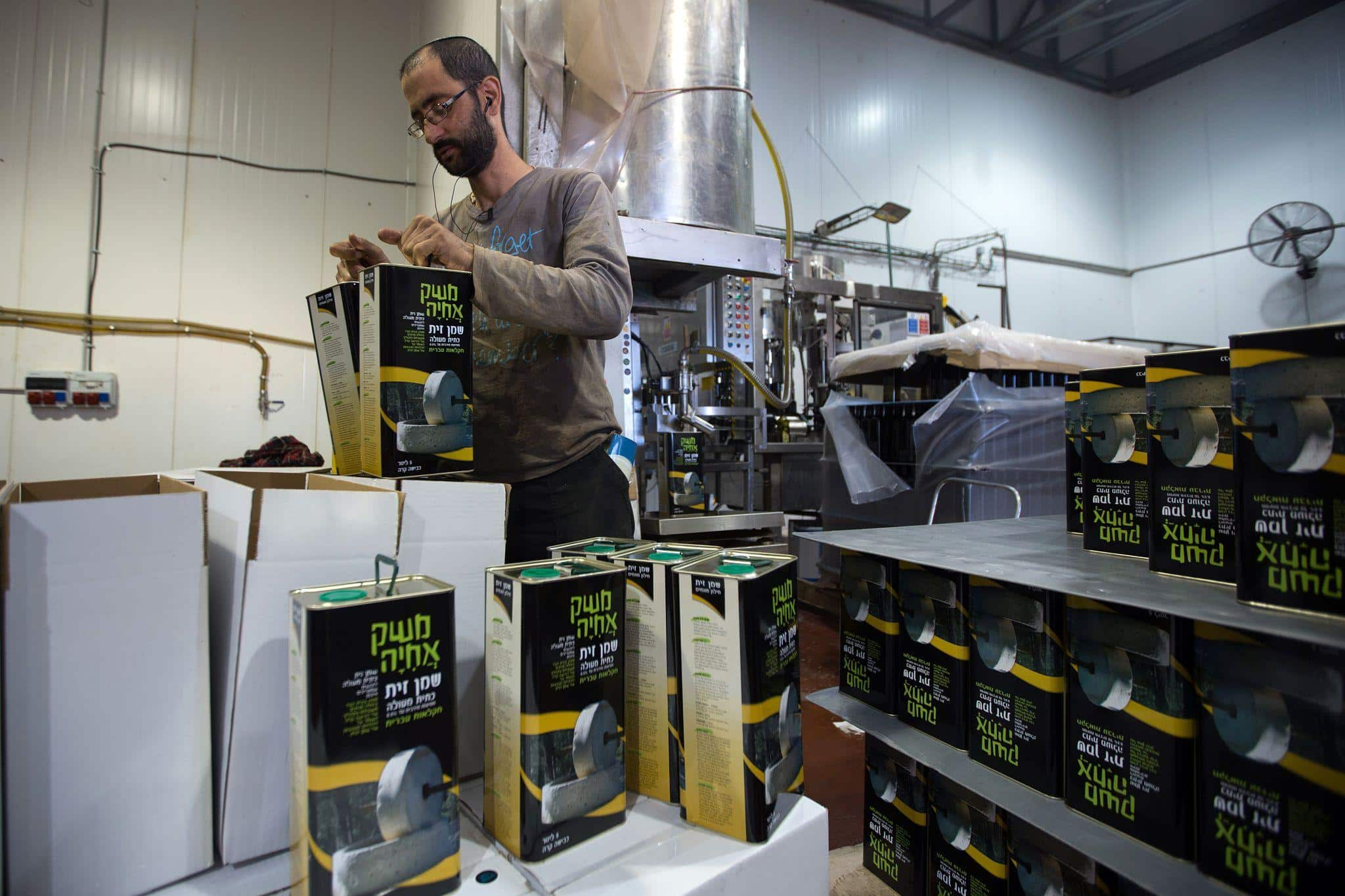
The tariff cuts are large. More than 90 percent of duties on both sides are to be cut or removed in stages, and the Bundestag papers state that over 91 percent of EU exports to the four Mercosur states would be freed from tariffs. Car tariffs reach up to 35 percent today, machinery duties run from 14 to 20 percent, and the EU puts the annual saving for its companies above 4 billion euros. Wine faces a duty of 27 percent, spirits 35 percent and olive oil 10 percent.

Farm politics explains the caution in many capitals. The EU set import quotas for beef, poultry, sugar and ethanol, added a safeguard mechanism that can suspend those quotas, and created a crisis fund for farmers. Those tools were designed to calm producers who fear cheaper South American supply, and how they work in practice will shape how national parliaments vote on Mercosur ratification.

Strategy pulls the other way. About 82 percent of the niobium used in the EU comes from Mercosur countries, and Brussels wants to cut its exposure to concentrated supply of critical raw materials. For an economic security agenda, that single figure explains why the Commission does not want the file to stall.

The German bill shows that the wider partnership agreement also travels through national parliaments, which gives every capital a chance to slow its final entry into force. Once that agreement enters into force it would replace the interim trade agreement, so the current tariff cuts are a bridge rather than the destination. Until the Court of Justice answers Parliament’s question and legislators vote, the interim text carries the commercial load.

Mercosur ratification therefore runs on two tracks at once. Watch the committee work in Berlin, the timing of the Court’s opinion and the first trade data under the interim rules. If car and wine exports rise while safeguards stay unused, supporters will have evidence. If farm complaints grow, the Mercosur ratification debate will harden in other national parliaments.